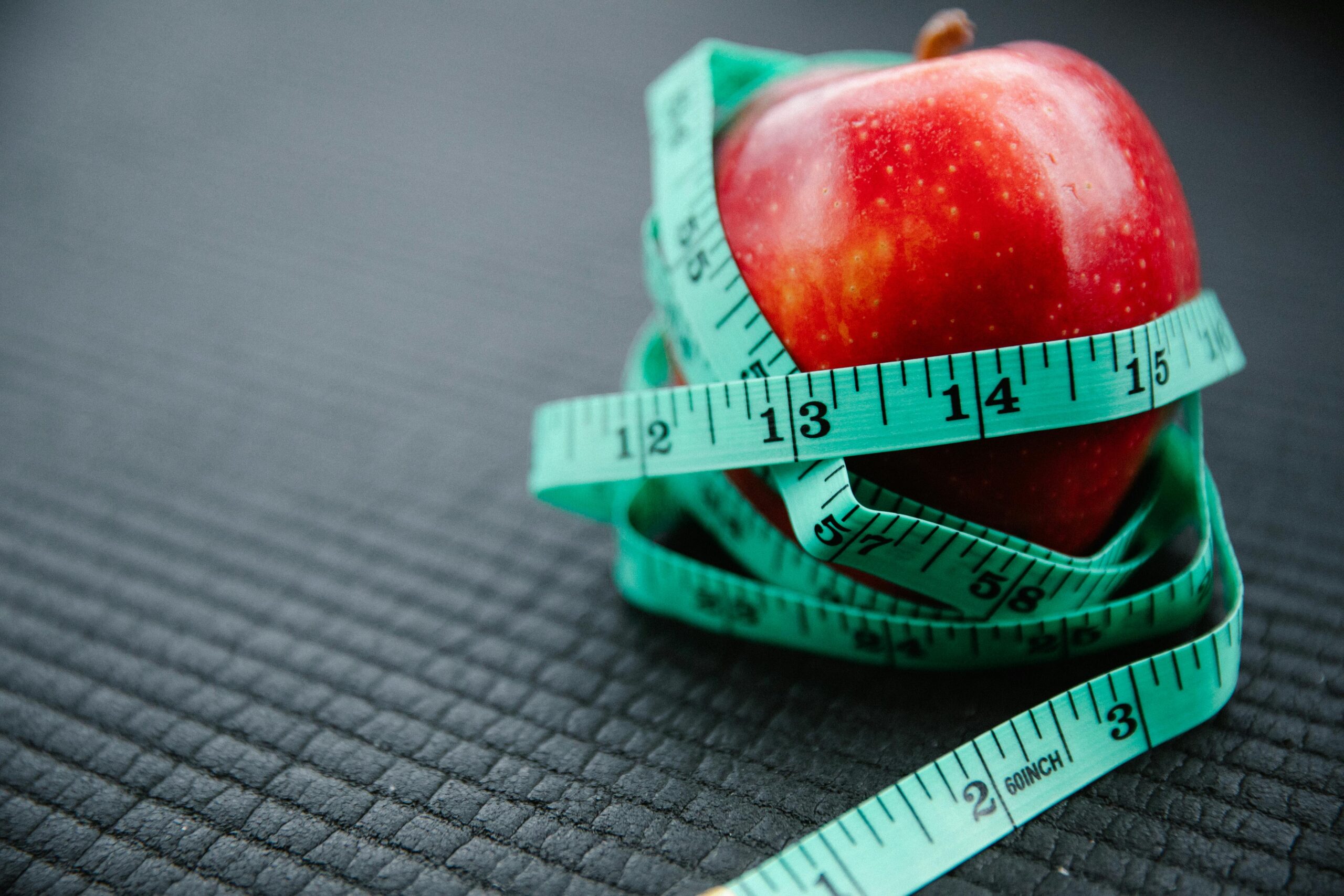
A weight loss plateau that beginners experience can be confusing. It’s when progress slows or stops despite your continued effort.
This happens because your body adapts to weight loss by burning fewer calories and adjusting hunger hormones.
Your body isn’t broken or failing you, it’s adapting. And adaptation is actually a sign that your body is responding to change. For example, if you started losing weight on a 1,800-calorie diet and lost 10 to 15 pounds, your body might now require fewer calories. This means that the same intake no longer creates a deficit. This is normal biology, not a setback.
This article discusses why weight loss can stall, how long plateaus usually last, and specific ways to safely and effectively overcome a weight loss plateau. It offers simple, beginner-friendly techniques that work without requiring extreme dieting or excessive exercise.
If you’re feeling discouraged or questioning your effort, that reaction is completely understandable. Many beginners assume they’re doing something wrong when weight loss stops, but in most cases, it’s simply biology at work.
What is a Weight Loss Plateau That Most Beginners Experience and Why Does It Happen?
A weight loss plateau for beginners is when the scale stops moving for weeks, even though you’re still eating well and exercising. This happens because your body adjusts to weight loss and becomes better at saving energy. Let’s break this down clearly.
A plateau means progress has slowed, not that it has stopped.
Your body is designed to survive. When you lose weight, your metabolism drops slightly. This means you burn fewer calories at rest. Hunger hormones increase, and you may unintentionally become less active during the day. In short, your body tries to find balance.
If you start at 200 pounds, eating 1,800 calories, and lose 15 pounds, your body will naturally require fewer calories to function. That same intake may no longer create the deficit that helped you lose weight before. The same 1,800 calories that used to create a deficit may now be close to what you need to maintain your weight. That shift is completely normal. Your body has just adjusted.
A plateau does not mean your plan has failed. It shows that your body reacted to change, which is actually a sign of progress.
How Long Does a Weight Loss Plateau Beginners Face Usually Last?
A weight loss plateau beginners experience typically lasts 2 to 6 weeks, especially during the early stages of fat loss when the body is recalibrating. Often, it’s a temporary pause and not a permanent stop.
Most plateaus are temporary and a normal part of fat loss.
Losing weight doesn’t happen in a straight line. As you lose weight, your body fluid levels, hormones, and energy use naturally shift. These changes can hide fat loss on the scale, even when progress is happening under the surface.
Your body might:
- Retain extra water.
- Burn calories more slowly.
- Change hunger signals.
- Recover from recent dietary changes.
These pauses are not personal; they are biological.
For example, a plateau often looks like this:
- In the first three weeks, you lose five pounds.
- For the next three weeks, the scale stays the same.
- Then suddenly, you lose two more pounds.
And frustrating as it feels, it’s still part of real progress.
A brief stall is normal and expected. However, if a beginner’s weight loss plateau lasts longer than 4 to 6 weeks with no changes in measurements or strength, it may be time for small, strategic changes and not drastic ones.
Is a Weight Loss Plateau Beginners Encounter Normal or a Sign Something Needs to Change?
A weight loss plateau is common for beginners. Sometimes, it indicates that a small adjustment is needed.
You lose water and stored carbs along with fat, which leads to quick weight loss. After that initial phase, fat loss slows down to a steady pace. Even if your body continues to improve, this slower progress can make you feel stuck.
Here’s a situation and most likely meaning:
- If the scale stalls for 1–2 weeks, it is likely a normal fluctuation.
- If clothes fit better but the scale is unchanged: likely body recomposition.
- If strength is improving, muscle gain may be offsetting fat loss.
- If nothing changes for 6+ weeks, it’s time to adjust your strategy.
- If your waist size decreases by 1 inch, even if there’s no change on the scale, you are still making progress.
Don’t panic at the first sign of a stall. Take a moment to evaluate before reacting.
What Simple Eating Adjustments Help Break a Weight Loss Plateau Beginners Struggle With?
If you’re stuck losing weight, small nutrition changes are often enough to break a weight loss plateau without drastically cutting calories. Most of the time, you don’t need to eat much less; you just need to eat with more focus. Let’s take this step by step.
Small, strategic nutritional adjustments are often enough to break a weight loss plateau without extreme dieting or drastic calorie cuts.
When you drastically reduce calories, your body responds by slowing down metabolism and increasing hunger. This makes it harder to stay consistent and raises the chance of burnout. Sustainable progress comes from being thoughtful, not from punishment.
Here are practical adjustments that work:
1. Eat more Protein
Protein helps maintain muscle mass, increases metabolism, and burns more calories than carbohydrates or fats. It also makes us feel full.
2. Reduce Sugar & Starches
Sugars and starches (carbohydrates) raise insulin levels, which can make us hungrier, tired, and less able to burn fat.
3. Increase Fiber
Fiber-rich foods, like vegetables and fruits, are usually lower in calories but help us feel fuller.
4. Cut more Calories
Reduce your daily calorie intake even more, as long as you don’t go below 1,200. A daily calorie intake below 1,200 may not be sufficient to prevent persistent hunger, increasing the risk of overeating.
Small, intentional changes restore momentum far more effectively than drastic cuts ever will.
The goal isn’t to eat dramatically less. It’s to eat more intentionally. So you can break the plateau without burning out, make smart adjustments, and build weight loss habits that actually stick.
How Can Beginners Adjust Workouts to Break a Weight Loss Plateau?
When progress stalls, strategically adjusting your workouts works far better than simply spending more time in the gym. The goal is to safely increase your training stimulus, not to punish yourself with endless cardio.
Your body burns fewer calories when you lose weight because you weigh less. Additionally, your body has no reason to change if you keep doing the same exercises without seeing any progress. Since muscle significantly affects metabolism, it’s more important to maintain and build muscle than just to burn calories.
In short, doing more cardio isn’t always the answer. It’s about providing a better stimulus.
If you’ve been doing the same 30-minute treadmill workout for eight weeks, your body has probably adjusted to it. Instead of extending your cardio time, making small changes can help you get back on track with your progress.
Here’s how to adjust safely:
1. Add strength training
The best workout for weight loss is cardio. However, increasing muscle mass can boost your metabolism overall. Simple bodyweight exercises or resistance-band workouts can help you add muscle in just 15 minutes. You shouldn’t completely stop doing cardio. Instead, include resistance training a few times a week to increase your metabolism and gain lean muscle mass.
2. Reassess your habits
Review your food and activity records. Make sure that you haven’t relaxed the rules. For example, think about whether you’ve been eating larger portions, choosing more convenience foods, or exercising less. Studies show that occasional rule relaxation leads to plateaus.
3. Rev up your workout
It is recommended that you spread this exercise throughout the week. To gain more health benefits and support weight loss or maintain weight loss, a minimum of 300 minutes per week is recommended. Adding activities like weightlifting can help you build muscle mass and burn more calories.
Goal:
- 150 minutes of moderate aerobic exercise.
- 75 minutes of intense aerobic exercise (optional).
4. Pack more activity into your day
Think outside the gym. Increase your daily physical activity. For instance, walk more and use your car less. Do more yard work or take on vigorous spring cleaning. Any physical activity will help you burn extra calories.
When you focus on progression instead of punishment, you give your body a reason to change again. And when a plateau shows up, smarter progression, muscle preservation, and increased daily movement work far better than punishing yourself with endless cardio.
When Should Beginners Stay Patient Vs. Change Strategy During a Weight Loss Plateau?
A weight loss plateau that beginners face doesn’t always mean it’s time to change everything. Sometimes, staying patient is the best choice, while other times small changes are needed.
Rushing to increase exercise hours or cut calories can backfire. The most effective approach relies on data. Before making changes, look at training performance, stress, sleep, and measurements.
For instance, if the scale hasn’t moved for two weeks but your waist size has decreased, and your strength has increased, being patient is likely the better choice. On the other hand, if five weeks pass without any progress and ongoing monitoring shows no improvement, it’s time to change your approach.
Stay Patient If:
- It’s been less than 3 weeks of stalled weight loss.
- Measurements are improving (waist, clothing fit, photos).
- Strength is increasing in workouts.
- Sleep or stress has recently fluctuated.
Adjust Strategy If:
- 4–6 weeks of no measurable change.
- Tracking calories, steps, or workouts is accurate and consistent.
- Hunger is manageable and not extreme.
- Workouts haven’t progressed or adapted in weeks.
Step-by-Step Beginner Framework
- Confirm tracking of food, steps, and workouts is accurate.
- Review sleep to ensure 7–9 hours per night.
- Assess stress levels and implement simple coping strategies.
- Increase daily movement—like walking, stairs, or short activity bursts.
- Adjust calories slightly (100–200/day) only if no other change helps.
- Before cutting calories, try to increase your daily step count by 2,000 for two weeks.
Strategic patience, combined with small, measured adjustments, ultimately helps beginners move past weight loss plateaus. Knowing when to wait and when to take action helps maintain steady and sustainable progress.
Final Thoughts
A weight loss plateau that beginners experience is completely normal, and it never means you’ve failed. It’s just your body adjusting to the changes in diet and exercise. Understanding why weight loss stops can help you respond wisely instead of blaming yourself, which keeps your progress on track.
If you feel stuck losing weight, focus on calm, strategic changes instead of drastic ones. Track your progress with measurements, steps, and strength improvements. Stay patient during short stalls. Remember, plateaus are temporary pauses, not the end of your journey. Consistency and thoughtful adjustments are what ultimately help you move forward again.
Frequently Asked Questions (FAQs)
Commonly asked questions about weight loss plateau.