I used to think a no equipment workout for beginners would not really help with weight loss. Without dumbbells, machines, or a gym, it felt like home workouts were just a backup plan, not something that actually worked. That mindset kept me stuck, waiting for the “right” setup instead of starting where I was.
What I eventually realised is that weight loss has less to do with equipment and more to do with consistency. When workouts feel complicated or intimidating, they are easy to skip. Simple bodyweight routines remove those barriers. There is no setup stress, no gym pressure, and no excuse to postpone movement.
I noticed the biggest changes when I focused on full-body movements I could repeat at home, even on low-energy days. Squats, push-ups, planks, and basic cardio did not feel impressive at first, but they were easy to return to. That repeatability mattered more than intensity.
This article is built around that idea. You will learn how to follow a beginner-friendly, no equipment workout routine for weight loss that is simple, safe, and realistic to stick with at home. Instead of chasing perfection, the goal is to build habits that last and lead to real progress over time.
How No Equipment Workouts Support Weight Loss
A no equipment workout for beginners uses bodyweight movements to support weight loss by burning calories and building strength at the same time. These exercises rely on full-body movements rather than isolated muscles, which makes each session efficient and easier to repeat at home.
Bodyweight exercises work well because they engage large muscle groups in simple patterns like squats, push-ups, and lunges. When more muscles are involved, your body uses more energy during the workout, supporting a healthy and faster metabolism over time. This effect becomes more noticeable when workouts are done consistently rather than occasionally.
For beginners, simplicity matters more than intensity. Bodyweight routines are easy to scale based on how you feel that day. You can slow down, reduce repetitions, or take longer breaks without altering the workout’s structure. This flexibility helps prevent burnout and makes it easier to stay active long enough to see results.
Another advantage is accessibility. With no equipment required, there are fewer barriers to starting and sticking with a routine. Training at home removes time pressure and gym anxiety, allowing beginners to focus on building habits. Over time, these repeatable sessions add up, supporting steady weight loss without overwhelming your body or schedule.
How Beginners Can Start No Equipment Workout Safely at Home
Starting a no equipment workout at home should feel safe, manageable, and pressure-free. For beginners, feeling overwhelmed or sore too early is one of the main reasons workouts stop altogether. Safety is not about doing less. It is about creating a routine you can repeat without fear of injury or burnout.
I have found that pushing too hard at the start usually backfires. When workouts feel exhausting or painful, it becomes harder to show up the next day. Starting at a steady pace gives your body time to adapt and builds confidence instead of frustration. When movement feels doable, consistency becomes much easier.
Minimal Setup You Actually Need
One of the biggest advantages of bodyweight training is how little preparation it requires. To get started, focus on a simple setup:
- Clear a small floor space where you can move comfortably.
- Wear clothes that allow free movement.
- Use supportive shoes or go barefoot on a stable surface.
- Keep water nearby.
- An exercise mat or towel is optional but helpful.
Keeping the setup simple lowers mental resistance and removes excuses to delay your workout.
Basic Safety Guidelines for Beginners
To protect your joints and build confidence, keep these principles in mind:
-
Warm up for five minutes
Light marching, arm circles, or gentle mobility movements prepare your body for exercise.
-
Move with control
Focus on steady, controlled movements rather than speed or high repetitions.
-
Pay attention to how your body feels
Muscle fatigue is normal. Sharp pain or joint discomfort is not.
-
Rest when needed
Pausing is part of progress, not a sign of failure.
If you are returning after a long break or carrying extra weight, choose lower-impact options when needed. For example, chair squats can replace full squats until strength and mobility improve. When workouts feel safe and repeatable, progress happens naturally.
Simple Full-Body No Equipment Workout Routine for Beginners
When I first committed to working out without equipment, I stopped aiming for long sessions. What actually helped me stay consistent were 10-minute beginner workouts that felt doable even on low-energy days. Starting small removed the pressure to be perfect and made it easier to show up regularly.
This full-body routine is built around movements I could repeat without overthinking. It focuses on simple exercises that train the whole body and pair well with daily habits like choosing to start a walking routine for extra activity. Together, these small efforts add up without feeling overwhelming.
How to Use This Routine
Here is how I approach it when energy or time is limited:
- Complete 1 to 3 rounds depending on how you feel.
- Rest for 30 to 60 seconds between exercises.
- Move slowly and focus on control, not speed.
- One round takes about 10 minutes, making it ideal for short sessions.
On days when motivation is low, I treat one round as a win. Finishing something consistently matters more than doing everything at once.
Full-Body Bodyweight Exercises
1. Bodyweight Squats (10 to 15 reps)
This was one of the first exercises I relied on because it mirrors everyday movements like sitting and standing. Squats strengthen the legs and hips while supporting daily mobility.
2. Glute Bridges (10 to 15 reps)
I included this because weak hips and tight lower backs are common for beginners. Glute bridges help activate the backside of the body and improve posture, especially for those who sit often.
3. Stationary Lunges (10 to 15 reps per side)
Lunges challenged my balance early on, which showed me how important they are. They build leg strength and coordination. Shortening the step or holding a wall makes them easier.
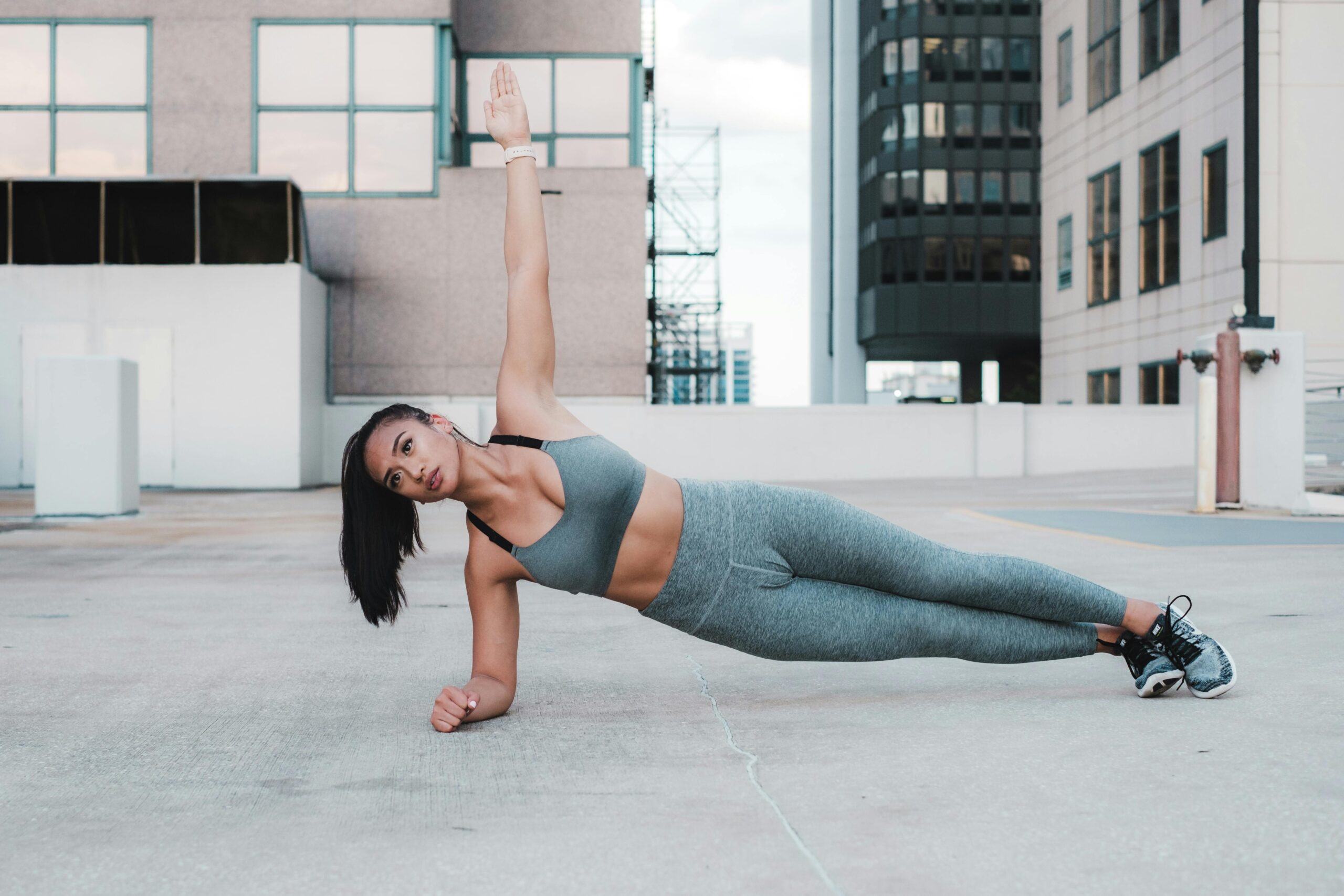
4. Plank to Downward Dog (20 to 30 seconds)
This movement helped me strengthen my core without feeling stiff or strained. It also loosens tight shoulders and improves body awareness when done slowly.
5. Knee Push-ups (8 to 12 reps)
I chose knee push-ups because they build upper-body strength without forcing full push-ups too soon. They allow beginners to focus on form and gradually get stronger.
Each exercise serves a purpose while keeping the routine realistic and repeatable.
Optional Low-Impact Cardio Finisher
On days when I wanted a little more movement, I added this short finisher or paired the workout with a light walk.
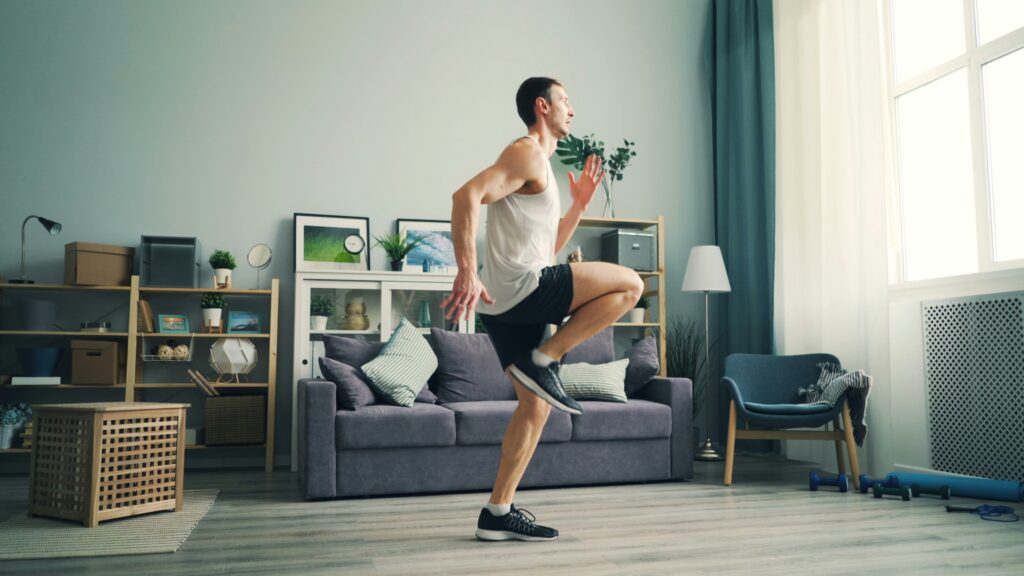
- March in place for 30 seconds
- Step jacks for 30 seconds
- Rest for 30 seconds
Repeat up to three times if it feels comfortable.
Even a short bodyweight session combined with a decision to start a walking routine can support steady progress. These small, repeatable actions are often more effective than long, exhausting workouts that are hard to maintain.
How Beginners Stay Consistent and Motivated Doing No Equipment Workout
Staying consistent was harder for me than learning the exercises, especially as someone who works remotely and spends most days at home. When your work, rest, and workouts all happen in the same space, it becomes easy to sit for hours and tell yourself you will move later. That is why fitness motivation for remote workers feels different. There is no commute, no built-in movement, and no clear separation between work time and personal time.
I noticed that on days when I worked long hours at my desk, motivation dropped fast. Not because I did not care, but because I felt mentally drained. Waiting to feel motivated usually meant skipping workouts entirely. What helped was starting before motivation showed up. Even a short bodyweight session or a quick walk broke the cycle of sitting and overthinking.
What made the biggest difference was lowering the bar. I stopped treating workouts like a performance and started treating them like a reset. Ten minutes of movement between meetings, a short routine after logging off, or a walk outside became enough. Those small actions helped me feel more energised during the workday instead of more tired.
Simple Ways to Make Consistency Easier
These small changes made workouts feel realistic instead of forced, especially when most of my day was spent sitting and working at home.
- Anchor workouts to your workday. I tied movement to habits that already existed, like stretching after closing my laptop or doing a short routine before my first meeting. This made exercise feel like part of my work rhythm, not something extra I had to plan for.
- Count short sessions and track them simply. I stopped dismissing quick workouts. A short session still counted, especially when I logged it using what felt like the best fitness tracking app for my needs. Seeing small wins add up over the week was more motivating than chasing perfect workouts.
- Use movement to separate work and personal time. A brief workout or walk helped signal the end of the workday and reduced my tendency to sit longer than I should. That physical reset mattered more than I expected.
- Reflect instead of obsessing over results. I also leaned into journaling for mental fitness, jotting down how movement affected my energy, focus, or mood. Writing a few lines helped me notice progress that the scale did not show and made the habit feel more rewarding.
There were weeks when work got busy, and routines slipped. That is normal, especially for remote workers. Consistency does not mean doing everything perfectly. It means returning without guilt and choosing movement again when you can.
For beginners doing no equipment workouts at home, especially those working remotely, motivation often grows after the weight loss habits are built. Once movement becomes part of your daily rhythm, it stops feeling like another task and starts feeling like support for both your body and your workday.
Common Mistakes Beginners Should Avoid When Doing No Equipment Workout
When starting a no equipment workout routine, it is easy to make mistakes that slow progress or make workouts feel harder than they need to be. Most of these mistakes come from overthinking, rushing the process, or overlooking basic habits that support recovery and consistency.
Skipping Warm-Ups and Cooldowns
One mistake I made early on was jumping straight into exercises without preparing my body. Skipping warm-ups often led to stiffness that made the next workout harder to start.
A short proper warm-up before workouts helps your joints move more freely and prepares your muscles for movement. Cooling down helps your body relax and recover. Even five minutes of gentle movement before and after a workout can improve how you feel the next day.
Doing Too Much, Too Fast
Many beginners believe they need to push hard every day to see results. I learned quickly that this usually backfires. Constant intensity without rest leads to exercise burnout, frustration, and sometimes minor injuries.
A better approach is balance. Mix strength-focused bodyweight workouts with lighter movement like walking or mobility work. Rest days are not wasted time. They are how your body adapts and gets stronger.
Overlooking Hydration
Another common issue is not paying attention to hydration. Beginners often assume hydration only matters for long or intense workouts, but dehydration can affect energy levels, focus, and recovery even during short sessions.
Some of the most common hydration mistakes include waiting until you feel thirsty, drinking too little throughout the day, or forgetting to rehydrate after workouts. Keeping water nearby and sipping regularly helps workouts feel easier and supports recovery.
Repeating the Same Routine Without Adjustment
Sticking to one routine forever can lead to boredom or stalled progress. At the same time, changing workouts too often can feel overwhelming.
Small adjustments work best. Add a few repetitions, slow down movements for better control, or increase rounds when the routine feels easier. Progress does not require constant change, just gradual challenge.
Ignoring Proper Form
Form matters more than speed, especially for beginners. Rushing through exercises or forcing movements increases the risk of discomfort.
Focus on controlled reps and steady breathing. If something feels wrong, pause and adjust or choose an easier variation. Good form builds confidence and keeps workouts sustainable.
Expecting Perfect Consistency
Missing a workout does not mean failure. Life happens, especially when routines are built at home.
Progress comes from returning after missed days without guilt. Consistency means building habits you can come back to, not maintaining perfection.
Final Thoughts
What helped me most with a no equipment workout routine was letting go of the idea that weight loss had to be complicated. I did not need a gym, special tools, or perfect motivation. What mattered was choosing movements I could repeat, even on days when energy was low.
Simple full-body exercises, short sessions, and realistic expectations made it easier to stay consistent. When workouts felt manageable, I stopped skipping them. Over time, those small efforts added up. Strength improved, movement felt easier, and weight loss followed naturally without forcing it.
If you are just starting out, focus on showing up rather than doing everything perfectly. A short workout, a walk, or even light movement still counts. Pay attention to basics like rest and hydration, listen to your body, and allow progress to happen gradually.
The goal is not to exhaust yourself. It is to build a routine you can return to again and again. That is what makes a no equipment workout for beginners effective for long-term weight loss.
Frequently Asked Questions (FAQs)
Commonly asked questions from beginners who want to try no equipment workouts.