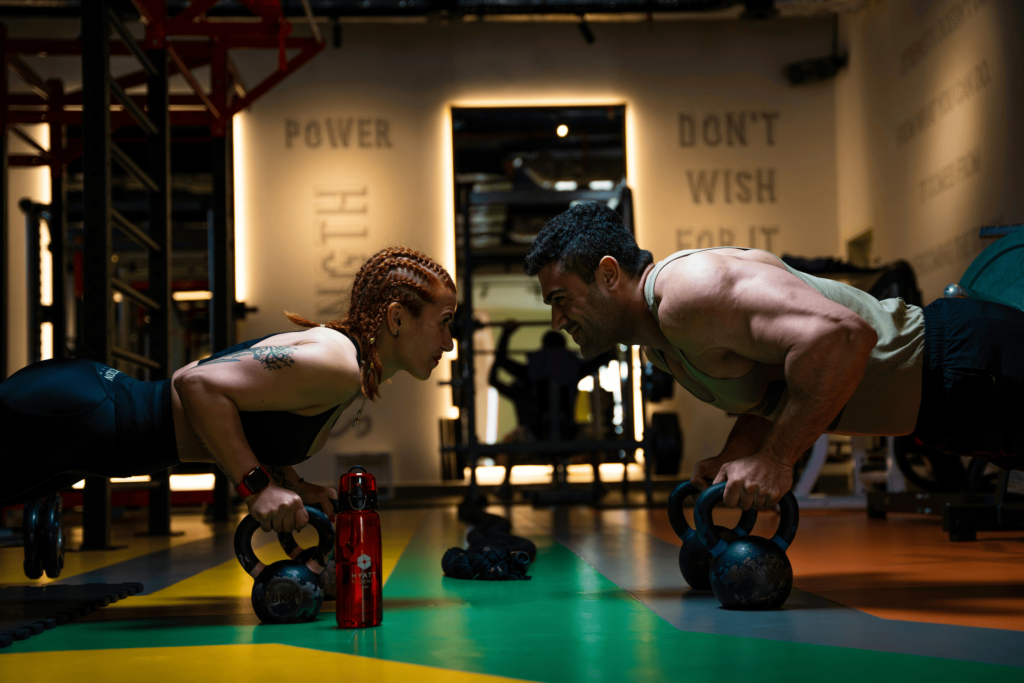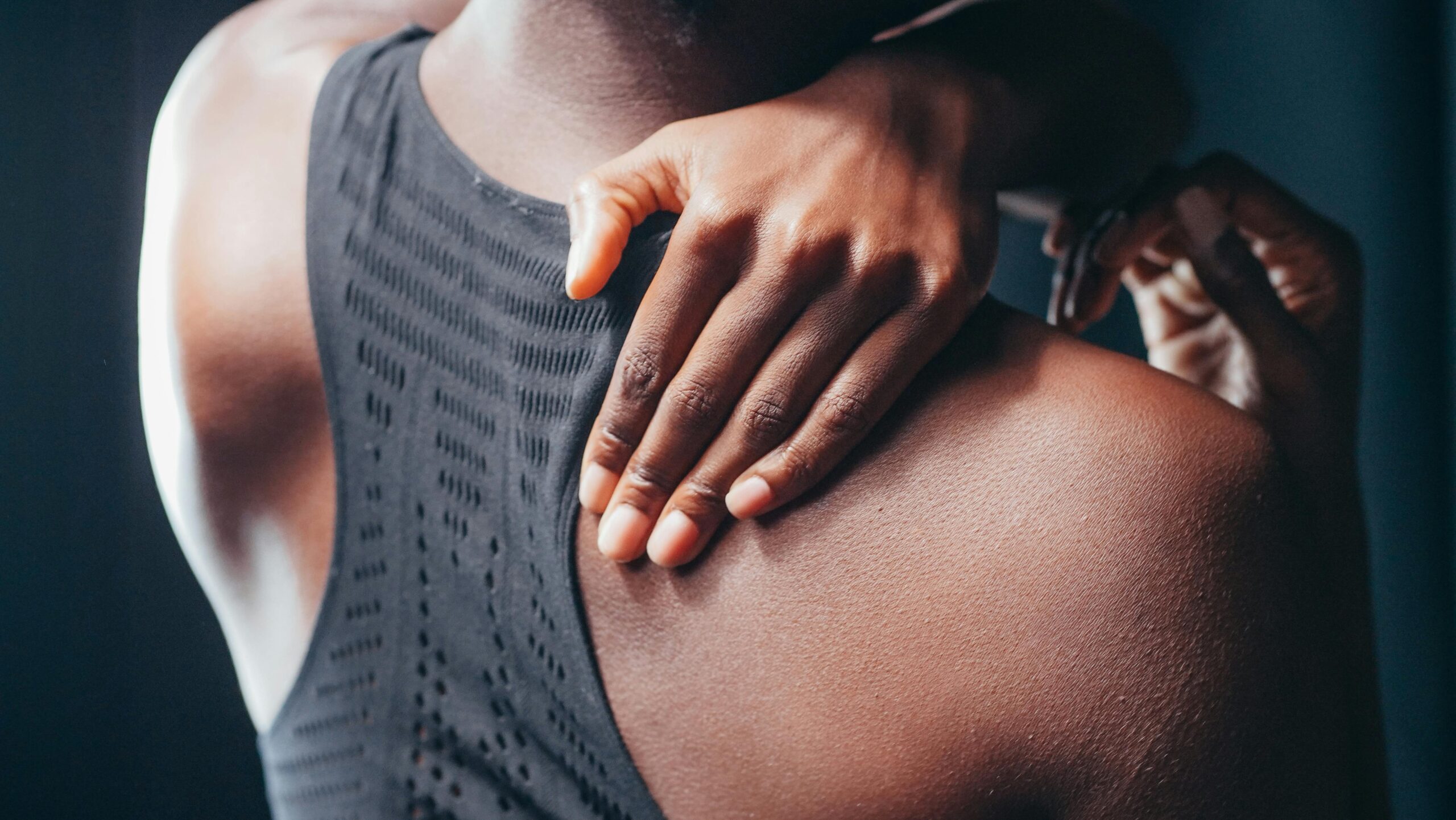
Feeling sore after a workout is one of the most common experiences in fitness. That aching or tight sensation in your muscles usually means your body is doing what it should.
During exercise, your muscles develop small tears. As they heal, they grow stronger. This is why soreness after a tough leg day or a new workout routine often shows that your body is adjusting to the challenge.
However, it is important to know when soreness is normal and when it might point to something more serious. In this guide, you will learn how to tell the difference, how to recover properly, and when soreness may be a warning sign of injury.
What Does Muscle Soreness After Workout Actually Mean for Your Body?
Soreness after a workout is often your body’s way of telling you it’s working to get stronger. When you challenge your muscles, especially with new or intense exercises, the muscle fibers develop small tears. This triggers the repair process, which builds strength and endurance over time.
For example, if you try sprint intervals or load up your leg day, you might feel soreness in your thighs or calves a day or two later. This kind of soreness is called delayed-onset muscle soreness (DOMS). It usually peaks within 24 to 72 hours and feels like tightness, tenderness, or stiffness when the area is moved or touched.
This response is part of progress. While it might feel uncomfortable, it usually means your body is adapting and becoming more resilient with each session.
What Types of Muscle Soreness After Workout Are Normal vs. Concerning?
Not all muscle soreness feels the same. Some aches are normal and part of progress, while others may be your body’s way of asking you to slow down or seek help.
Your muscles respond differently depending on the type of exercise, its intensity, and how familiar your body is with the movement. Understanding the difference helps you train safely and avoid setbacks.
| Normal | Concerning | |
| Onset | gradually begins 12 to 24 hours after the workout | sudden, severe pain during or right after workout |
| Sensation | dull, widespread pain, stiffness, or soreness when affected muscles are touched or moved | sharp pain, stabbing, or persistent and getting worse |
| Duration | peaks between 24 and 72 hours and typically goes away on its own in two to five days | pain does not go away with rest or stays for more than a week |
| Impact | stiffness may restrict the range of motion, but it shouldn’t stop you from carrying out daily tasks | severe pain that keeps you from performing daily tasks, bearing weight, or moving the muscle |
| Relief | improves with gentle movement, stretching, rest, or hot/cold therapy | swelling, bruising, redness, tingling, numbness, or an obvious abnormality in the affected area |
Knowing the difference helps you stay in control of your training. If something feels off, trust that signal and give your body the care it needs.
How Long Should Muscle Soreness After Workout Last Before You Worry?
Soreness that lasts a few days after your workout is usually nothing to worry about.
That stiff, achy feeling, especially 24 to 72 hours after trying a new routine or pushing harder than usual, is part of how your muscles rebuild and grow stronger. Your body is repairing the small tears in your muscle fibers and adjusting to the load you placed on it.
Think of it like this: You crush a heavy leg day, and two days later, you wince walking down the stairs. That’s classic DOMS. But once you get moving—whether it’s a short walk, light cycling, or gentle stretching—you start to loosen up. That’s your body responding well.
But if soreness lingers for more than 3 days, gets worse instead of better, or comes with swelling, sharp pain, or visible bruising, it’s time to check in. You could be dealing with more than muscle fatigue, like a strain or injury that needs attention.
Tuning in to these signals helps you stay on top of recovery and avoid overdoing it. Being sore is okay. Being in pain is not.
What Recovery Strategies Could Help Reduce Muscle Soreness After Workout?
If you want to reduce muscle soreness after a workout, recovery needs to be part of your routine—not an afterthought.
When you exercise, your muscles go through stress and tiny tears that cause inflammation. That discomfort is a signal that your body is in repair mode. But how well and how fast you recover depends on what you do after your workout.
For example, let’s say your quads are screaming after squats. Lying on the couch all day might feel tempting, but light movement—like a slow walk or gentle mobility drills—can actually help ease the tension. That’s where recovery strategies come in.
Here are some of the best ways to support your body:
- Prioritise sleep: Aim for 7 to 9 hours a night. Muscle repair happens most efficiently during deep rest.
- Fuel your body: Eat meals that include carbs for energy, protein for muscle repair, and healthy fats to help control inflammation.
- Stay hydrated: Water and electrolytes help flush out waste and keep your muscles functioning properly.
- Keep moving gently: Try stretching, walking, or cycling. Low-impact movement improves circulation and helps ease stiffness.
- Use tools like foam rollers or massage guns: They release tension, improve blood flow, and support faster healing.
- Work on flexibility: Include light mobility exercises or static stretching at the end of your sessions to maintain a healthy range of motion.
Most importantly, don’t skip active recovery on rest days. Giving your body a break from intense effort while still moving with intention is one of the smartest ways to stay consistent and avoid burnout.
Recovery is where the real gains happen. The more you support it, the more your body will show up for you in the next workout.
When Does Muscle Soreness After Workout Signal a Possible Injury?
Most soreness after a workout is harmless, but some pain is your body’s way of waving a red flag.
While typical soreness comes from mild muscle tears that heal with rest and recovery, sharp or lingering pain may point to a deeper issue. This kind of pain usually stems from damage to tendons, joints, or muscles that goes beyond regular strain.
Let’s say you’re in the middle of a run, and you feel a sudden snap in your calf, followed by intense pain that makes it hard to walk. That’s not DOMS. That’s your cue to stop and get checked out.
Here are signs that your soreness might be more than just post-workout fatigue:
- The pain is sharp or stabbing, especially during movement
- You notice swelling, bruising, or an odd lump in the area
- The discomfort limits your range of motion and does not improve with light movement or rest
- The pain is centered around a joint or tendon rather than the muscle belly
- If any of these symptoms show up, it is best to consult a healthcare professional. Ignoring them or pushing through can delay healing and lead to more serious setbacks.
Knowing when to rest and when to seek help keeps your progress steady and your training sustainable.
How Can You Prevent Excess Muscle Soreness After Workout in the Future?
The best way to deal with muscle soreness is to avoid making it worse in the first place.
Soreness often shows up when your muscles take on more stress than they are ready for. That could mean going too hard too soon, skipping your warm-up, or repeating the same movement without enough rest. If you train smarter—not just harder—you can reduce how sore you get and bounce back faster.
Imagine jumping into a high-intensity class after weeks off. You wake up the next day barely able to lift your arms. It is a classic case of doing too much too soon. If you had warmed up well and eased in with lighter reps or a modified version, you might still feel sore, but not immobilized.
Here’s how to prevent soreness from going overboard:
- Ease in gradually: Add weight, reps, or intensity in small steps to let your muscles adapt.
- Warm up properly: Use dynamic stretches to get your blood flowing and prep your joints before any workout.
- Cool down with intention: End every session with light static stretching to help reduce tightness and support flexibility.
- Cross-train your routine: Mix cardio, strength, and mobility sessions so you’re not hammering the same muscles every time.
- Focus on form: Good technique protects your joints and ensures the right muscles are doing the work.
- Listen to your body: If a movement feels wrong or causes sharp pain, stop and reassess before continuing.
And even though you can’t always avoid delayed onset muscle soreness, there are simple habits that help reduce its impact:
- Drink water consistently before, during, and after your workouts.
- Stretch at the end, not the start, of your session to improve flexibility and recovery.
- Respect your limits by increasing intensity slowly instead of going all in right away.
Smart training pays off. It lets you stay consistent, avoid setbacks, and enjoy your workouts without being knocked out by unnecessary soreness.
Final Thoughts
Muscle soreness after a workout is part of the process, not a problem, unless your body tells you otherwise.
Feeling sore can actually be a sign that your muscles are growing stronger. But to keep your training safe and sustainable, it is important to know the difference between normal soreness and pain that could mean injury.
Let’s say your legs feel tight two days after a heavy lower-body session. That is normal. But if you can barely move without sharp pain or notice swelling, that is your cue to stop and seek support.
To stay on track, build recovery into your routine, like a full-body active recovery workout, stretching, balanced meals, proper hydration, and quality sleep, which help reduce soreness and speed up repair. On training days, focus on proper form and gradual progression. On rest days, give your muscles what they need to rebuild.
Pay attention to how your body responds. The better you treat your recovery, the more consistent and confident your progress will be.
Frequently Asked Questions (FAQs)
Commonly asked questions about soreness after workouts.