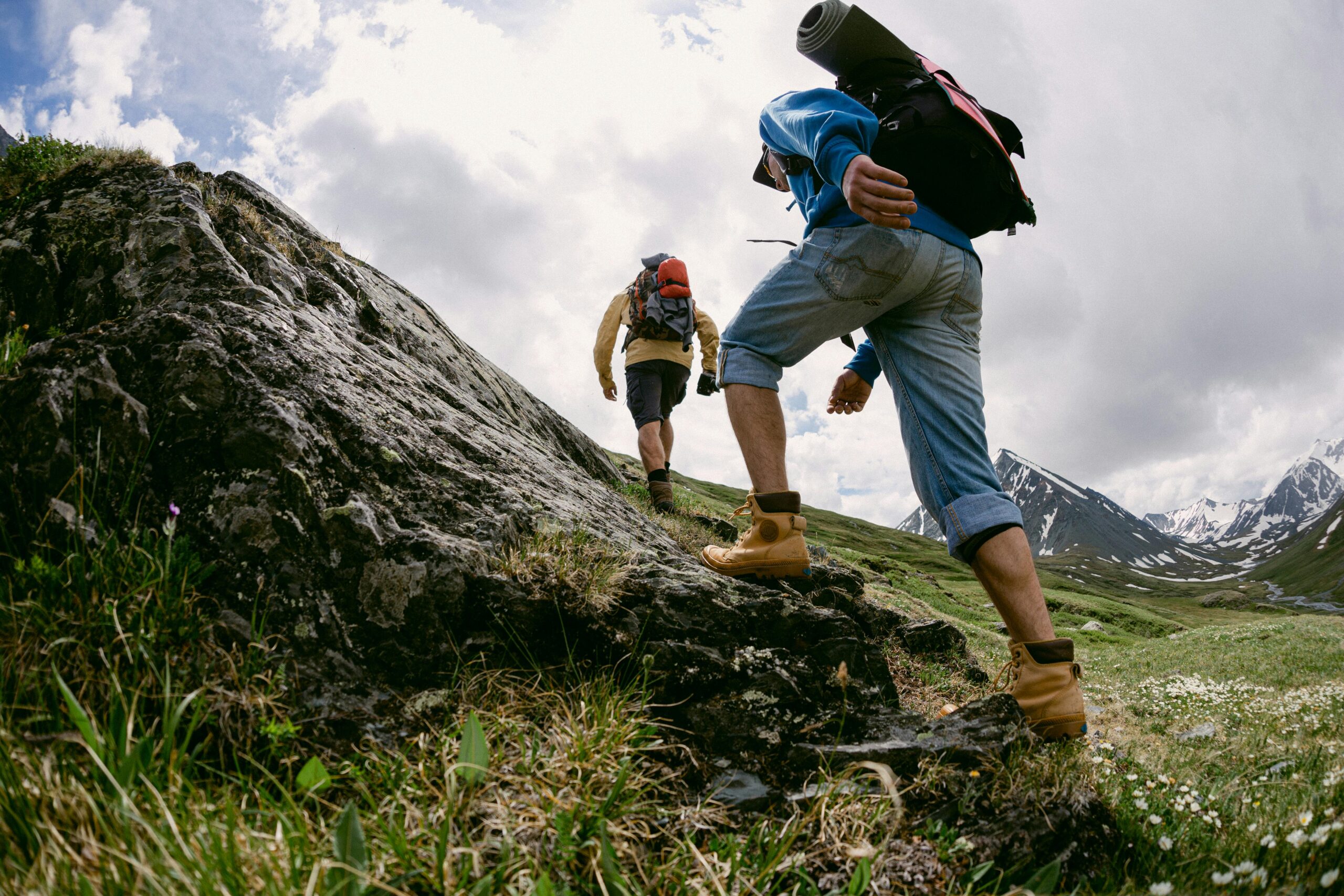
Incline walking for weight loss is one of the simplest upgrades I recommend to beginners who feel stuck with regular flat walking. If you’re already walking consistently but not seeing the results you expected, adding incline might be the missing piece.
I like incline walking because it increases calorie burn without forcing you to run. You don’t need to jog, sprint, or do high-impact cardio to make progress. By simply raising the treadmill incline, you challenge your muscles and heart in a smarter, joint-friendly way.
When you walk uphill, your body works against gravity. That means your glutes, hamstrings, and calves have to produce more force with every step. Even at the same speed, your heart rate climbs, your breathing deepens, and your overall energy use increases. That’s why treadmill incline walking can accelerate fat loss while still feeling manageable.
In my experience, many beginners assume they need to go faster to lose weight. The truth is, increasing the incline is often more effective than increasing speed. It builds endurance, strengthens your lower body, and supports sustainable weight loss without the burnout that often comes with high-intensity workouts.
In this guide, I’ll walk you through the real benefits of uphill walking, how much incline to use, how long and how often to train, common mistakes to avoid, and how to build a beginner-friendly plan that delivers real, lasting results.
If you’re ready to make your walks more effective without making them overwhelming, incline walking might be exactly what you need.
What Are the Real Uphill Walking Benefits for Weight Loss Beginners?
When beginners ask me why incline walking works better than flat walking, I explain it this way: you’re not just moving forward anymore, you’re lifting your body upward with every step.
That small change makes a big difference.
When you increase the incline, your body has to raise its center of mass higher each stride. That vertical work increases oxygen demand, raises your heart rate, and activates more muscle fibers, especially in your glutes, hamstrings, and calves. Even if your speed stays the same, your effort increases.
For example, walking at 3.0 mph on a flat treadmill might feel comfortable. But raise that incline to 5–8%, and suddenly your legs feel more engaged, your breathing becomes deeper, and your heart rate climbs. You are doing more mechanical work without needing to jog.
That is why uphill walking benefits beginners so much. You get:
- Higher calorie burn at the same speed
- Greater lower-body muscle activation
- Improved cardiovascular endurance
- Minimal joint impact compared to running
- A manageable intensity that supports consistency
One thing I often remind beginners is this: weight loss is not about doing the most extreme workout. It’s about increasing total energy expenditure in a way you can repeat consistently.
Incline walking helps you burn more calories per minute without adding the pounding that comes from jogging. For many people who are overweight or returning to exercise, that lower impact makes a huge difference in adherence and recovery.
If your goal is fat loss, combining incline walking with beginner strength training can further improve muscle tone and support metabolic health. Cardio helps create the calorie deficit, while strength training helps preserve lean muscle.
Another reason I like incline walking for beginners is that it naturally builds endurance. As your cardiovascular system adapts, you will recover faster between sessions and be able to tolerate longer workouts. If you are unsure how much energy you’re actually using, it helps to understand how the calories burned while walking vary with incline and body weight.
In short, uphill walking benefits beginners because it increases intensity without increasing impact. You challenge your muscles, elevate your heart rate, and create better conditions for fat burning while keeping the workout approachable.
That combination is powerful, especially if you are just starting out.
Is Treadmill Incline Walking More Effective Than Walking on a Flat Surface?
Short answer? Yes. In most beginner weight loss situations, treadmill incline walking is more effective than walking on a flat surface.
But let me explain why.
When you walk on a flat surface, your body primarily moves forward. When you add incline, you introduce vertical work. That means your muscles must push your body upward against gravity with every step. This increases mechanical demand without requiring you to move faster.
And that’s the key.
Most beginners think they need to increase speed to burn more calories. I usually recommend increasing the incline first. It’s safer, more sustainable, and often more effective for fat loss.
At the same 3.0 mph pace, a moderate incline can raise calorie burn by roughly 30 to 50 percent, depending on your body weight. Your heart rate climbs, your breathing deepens, and your posterior chain works harder. Yet your joints still experience low impact compared to jogging.
Here’s how I break it down for beginners:
| Factor | Flat Walking | Treadmill Incline Walking |
| Calorie burn | Moderate | Higher at the same speed |
| Muscle activation | Light | Moderate to high |
| Heart rate | Steady | Elevated |
| Joint impact | Low | Low |
Notice something important. Joint impact stays low in both. That’s why incline walking is such a strong choice for beginners who want results without unnecessary strain.
What makes treadmill incline walking especially effective is the control it offers. You can gradually increase intensity instead of making a big jump into running. That controlled progression supports long-term consistency, which matters more than any single “hard” workout.
If you’re building your overall cardio base, incline sessions also complement other cardio workouts in gym routines. It gives you a scalable intensity option without overwhelming your system.
I’ve seen many beginners plateau with flat walking because their bodies adapt quickly. When your body becomes efficient at a certain workload, calorie burn per minute decreases. Adding an incline introduces a new stimulus without requiring complicated programming.
So yes, treadmill incline walking is generally more effective for weight loss than flat walking. Not because it’s extreme, but because it increases energy demand in a joint-friendly, sustainable way.
And sustainable effort is what produces lasting results.
What’s the Difference Between Outdoor Uphill Walking Benefits and Treadmill Incline Walking?
I get this question a lot: “Is walking up real hills better than using a treadmill incline?”
The honest answer is that both can work. The real difference comes down to control, consistency, and safety.
When you walk uphill outdoors, the terrain naturally varies. One minute you might be climbing a gentle 4 percent slope, and the next you’re suddenly facing something closer to 10 percent. That variability can challenge your stabilizing muscles and improve balance. It can also make the workout feel more engaging mentally.
But here’s the trade-off. Outdoor hills are unpredictable.
If you’re a beginner, that unpredictability can make it harder to manage intensity. You might push too hard too soon, especially if the hill steepens unexpectedly. That’s when calves tighten, Achilles tendons feel strained, or you end up cutting your workout short.
Treadmill incline walking gives you precision.
You can set a consistent 5 or 6 percent incline and maintain it for 20 to 30 minutes, or increase by one percent at a time. You can more easily monitor speed, duration, and even heart rate. That level of control makes progression safer and more measurable.
Here’s how I usually explain it:
Outdoor Uphill Walking
- Natural terrain variation
- Engages stabilizing muscles
- Mentally refreshing
- Weather and surface dependent
Treadmill Incline Walking
- Adjustable, controlled incline
- Easier to track time and progress
- Safer for beginners managing intensity
- Not limited by weather
If you’re just starting your weight loss journey, I often recommend beginning with treadmill incline walking. It removes the guesswork. You can gradually increase stress on your body without sudden spikes in intensity.
Once your endurance improves, adding outdoor hills can be a great way to challenge coordination and maintain motivation.
The most important factor, though, is consistency. Whether you walk outdoors or on a treadmill, results depend on how regularly you train. If weather, schedule, or safety concerns reduce your frequency, the treadmill may actually support better long-term adherence.
If you’re building a weekly routine, think about how incline walking fits into your overall gym workout frequency so you’re not overloading your legs while neglecting recovery.
In the end, the best option is the one you can repeat week after week. Fat loss comes from consistency, not scenery.
How Much Incline Should Beginners Use to Maximize Uphill Walking Benefits Safely?
When beginners start incline walking, the biggest mistake I see is going too steep too soon.
It’s tempting to think that a higher incline equals faster weight loss. But your muscles, tendons, and joints need time to adapt. If you jump straight to 10 percent, your calves and Achilles tendon will remind you the next morning.
I usually recommend starting between a 3 and 5 percent incline.
At this range, you already increase calorie burn and muscle activation compared to flat walking, but the stress on your lower legs remains manageable. Your heart rate will rise, your glutes will engage more, and your breathing will deepen without overwhelming your system.
Here’s how I guide beginners through progression:
Weeks 1–2: 3–4 percent incline
Keep sessions around 20 to 30 minutes. Focus on posture, breathing rhythm, and smooth steps. This is your adaptation phase.
Weeks 3–4: 5–6 percent incline
Maintain your walking speed. If you feel comfortable, you can add short 1 to 2 minute pushes at a slightly higher incline, then return to your base level.
After Week 4: 7–10 percent incline using intervals
Instead of staying at a steep incline the entire time, alternate 1 to 2 minutes at a higher incline with recovery periods at 4 to 5 percent. This builds stamina while protecting your lower legs.
The reason gradual progression matters is simple. Incline walking increases dorsiflexion at the ankle and places more tension on your calves and Achilles tendon. If tissues aren’t conditioned yet, soreness and strain can accumulate quickly.
I also remind beginners that incline walking is a form of progressive overload. Just like in strength training, your body adapts to the demand you place on it. If you increase intensity gradually, you stimulate adaptation without triggering setbacks.
And don’t skip preparation. Always warm up properly before increasing the incline. A few minutes at a flat or 2 percent allows blood flow to increase and prepares your lower legs for the added load.
If you ever feel sharp pain rather than normal muscle fatigue, reduce the incline. There’s no benefit in pushing through tendon irritation.
The goal is sustainable progress. Small, steady increases in incline will produce better fat loss results than aggressive jumps followed by missed workouts.
Incline walking works because it increases energy expenditure in a manageable way. The duration should support adherence, not test your limits.
Start with what feels doable. Build gradually. Let consistency drive your results.
How Long Should Treadmill Incline Walking Sessions Be for Noticeable Weight Loss?
One of the most common questions I hear is, “How long do I need to walk to actually lose weight?”
My honest answer is this: long enough to challenge your system, but short enough to repeat consistently.
For most beginners, that sweet spot is 20 to 45 minutes per session.
If you’re just starting out, 20 to 30 minutes at a moderate incline is more than enough to stimulate calorie burn and cardiovascular adaptation. You don’t need hour-long sessions to see results. In fact, pushing too long too soon often leads to soreness, fatigue, and skipped workouts later in the week.
Here’s what I look for instead of just time: sustainable intensity.
When you walk at a 4 to 6 percent incline, your body works harder without needing to jog. Your heart rate rises into a moderate zone where fat oxidation improves and total calorie burn increases. The key is maintaining that steady effort long enough to accumulate meaningful energy expenditure.
A simple structure I recommend looks like this:
Warm-up: 5 minutes
Flat surface or 1 to 2 percent incline. Let your muscles and joints gradually prepare.
Main incline phase: 20 to 30 minutes
4 to 6 percent incline for beginners. You should breathe harder but still be able to speak in short sentences. That tells me you’re in a productive zone.
Cool-down: 5 minutes
Gradually reduce the incline and slow your pace.
As your stamina improves, you can extend the main phase to 35 or even 40 minutes. Eventually, 45 minutes can be effective if it fits your schedule and recovery capacity.
But here’s something important I always emphasize: consistency beats duration.
Walking 25 to 30 minutes four times per week will produce better long-term fat loss than one exhausting 60-minute session followed by two missed workouts.
If you’re unsure how this fits into your overall routine, think about your total weekly movement and how often you should work out to support recovery and avoid overtraining.
Incline walking works because it increases energy expenditure in a manageable way. The duration should support adherence, not test your limits.
Start with what feels doable. Build gradually. Let consistency drive your results.
How Often Should Beginners Do Treadmill Incline Walking for Weight Loss Results?
If you’re serious about weight loss, frequency matters just as much as intensity.
For most beginners, I recommend treadmill incline walking 3 to 5 times per week.
That range gives you enough stimulus to burn calories and improve endurance, while still allowing your muscles and connective tissues to recover. Remember, incline walking places more tension on your calves, glutes, and Achilles tendon than flat walking. Recovery is part of the progress.
If you’re new to exercise, start with three sessions per week. For example, Monday, Wednesday, and Friday. That spacing gives your lower body a rest day between sessions.
Once your legs feel stronger and soreness becomes minimal, you can move up to four or five sessions per week if your goal is faster fat loss.
But here’s something important: more is not always better.
If you push incline sessions every single day at high intensity, fatigue accumulates. When fatigue accumulates, your movement quality drops, motivation decreases, and calorie burn may even decline because your pace slows.
I prefer to see beginners combine incline walking with other forms of training:
- Light lower-body or full-body strength work
- Core sessions
- Mobility days
- A dedicated active recovery day
This balanced approach helps prevent overuse issues while improving overall conditioning.
Incline walking is excellent for calorie burn, but preserving muscle mass through resistance training is what helps maintain metabolic rate. If you’re structuring your week carefully, you can pair incline walking with beginner strength training to improve body composition, not just scale weight.
And don’t forget hydration. Dehydration can reduce performance and make workouts feel harder than they need to. Following proper hydration strategies supports endurance and recovery.
Here’s a simple weekly structure I often recommend:
- 3 sessions: Ideal for beginners, building consistency
- 4 sessions: Great for steady fat loss
- 5 sessions: Suitable once your recovery is solid
Listen to your body. Mild muscle soreness is normal. Sharp tendon pain is not. If your calves feel excessively tight, reduce incline for a session rather than skipping entirely.
The goal is steady, repeatable effort. Three to five quality sessions per week, done consistently, will produce far better results than sporadic bursts of extreme effort.
What Mistakes Should Beginners Avoid When Trying to Get Uphill Walking Benefits?
Incline walking looks simple. You press a button, the treadmill goes up, and you start walking.
But small mistakes can quietly reduce results or increase your risk of injury. I’ve seen beginners work hard and still struggle, not because incline walking doesn’t work, but because of how they’re doing it.
Here are the most common issues I correct.
1. Skipping the warm-up
Going straight into a 6- or 8-percent incline without preparation is one of the fastest ways to irritate your calves and Achilles tendon.
Your lower legs need gradual loading. I always recommend at least 5 minutes at a flat or 1-2% incline before increasing the incline. If you’re unsure how to structure it, make sure you warm up properly before every session.
2. Holding tightly onto the handrails
This is probably the biggest calorie-killing mistake.
When you lean on the rails, you reduce the amount of body weight your legs have to move. That decreases muscle activation and lowers energy expenditure. It also alters posture, shifting stress into your lower back.
If balance is an issue, lightly touch the rails occasionally, but avoid gripping them for support.
3. Jumping to high inclines too quickly
I understand the temptation. A higher number feels more productive.
But if your tissues are not adapted, steep inclines can cause excessive calf soreness, Achilles strain, or even shin discomfort. Progress gradually. Your body adapts best when stress increases in controlled steps.
This is especially important if incline walking is the main cardio within your overall gym workout frequency plan.
4. Leaning too far forward
Many beginners bend at the waist when the incline increases. That shifts the workload away from your glutes and into your lower back.
Instead, stand tall. Let your body lean slightly from the ankles, not the hips. The incline should guide your angle naturally.
5. Overstriding
Taking long steps uphill increases strain on your calves and can disrupt rhythm.
Shorter, controlled steps are more efficient. They keep tension where it belongs and protect your lower legs.
6. Not tracking progress
If you always walk at the same incline, speed, and duration, your body adapts. Once adaptation happens, calorie burn per session becomes less challenging.
Track at least one variable:
- Incline percentage
- Duration
- Total weekly sessions
- Perceived exertion
Small increases over time create progressive overload and continued fat loss.
Proper Incline Walking Form Checklist
When I coach beginners, I remind them of these cues:
- Stand tall with chest open and shoulders relaxed
- Engage your core lightly to stabilize your spine
- Lean slightly from the ankles, not the waist
- Take short, controlled steps
- Swing your arms naturally
Good form increases glute activation, protects your lower back, and improves efficiency.
If you ever feel sharp pain instead of muscle fatigue, reduce the incline or shorten the session. Recovery days and even structured active recovery sessions can help prevent overuse.
Incline walking is simple, but it’s not mindless. Paying attention to posture and progression is what turns it from “just walking” into an effective fat-loss tool.
Final Thoughts
If you’re looking for a simple way to increase calorie burn without running, incline walking is one of the smartest upgrades you can make.
I recommend treadmill incline walking to beginners because it raises intensity without raising impact. You challenge your heart, engage your glutes and hamstrings more deeply, and burn more calories, all while protecting your joints.
But remember this: incline alone does not cause fat loss.
Fat loss happens when you consistently create a calorie deficit through movement, nutrition, and recovery. Incline walking simply helps you increase energy expenditure in a way that feels manageable and sustainable.
Start with 3 to 5 percent incline. Keep sessions around 20 to 30 minutes. Train 3 to 5 times per week. Focus on posture, gradual progression, and consistency.
If you combine incline walking with beginner strength training, follow proper hydration strategies, and structure your gym workout frequency wisely, you create a system that supports long-term results, not just short-term sweat.
You don’t need extreme workouts to lose weight.
You need a plan you can repeat.
And incline walking is one of the most repeatable, joint-friendly strategies I know.
Frequently Asked Questions (FAQs)
Commonly asked questions about incline walking and weight loss.