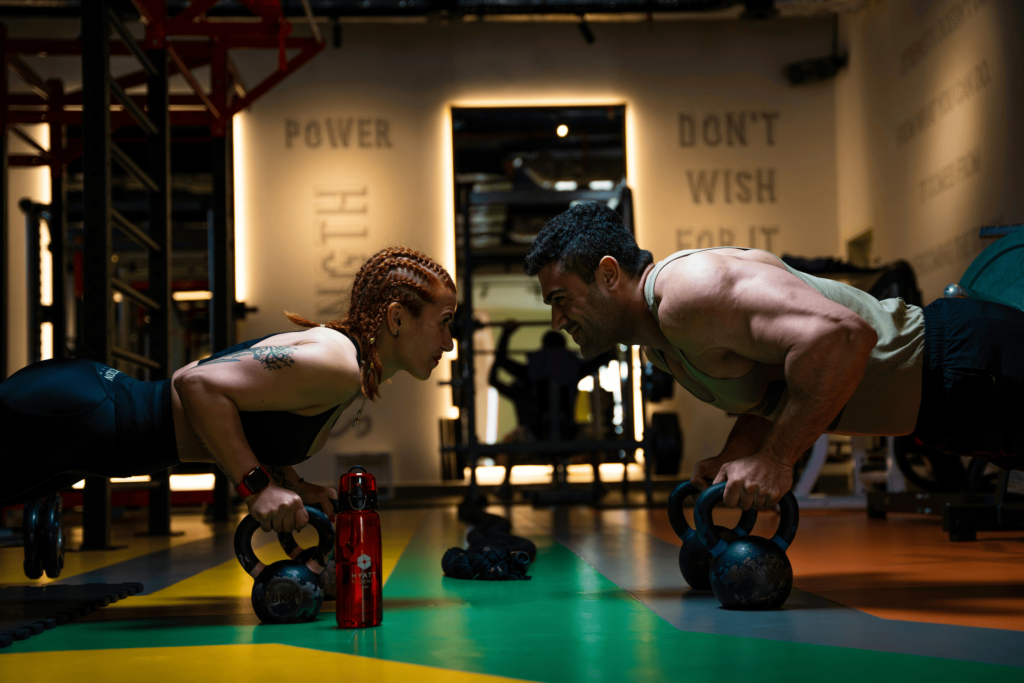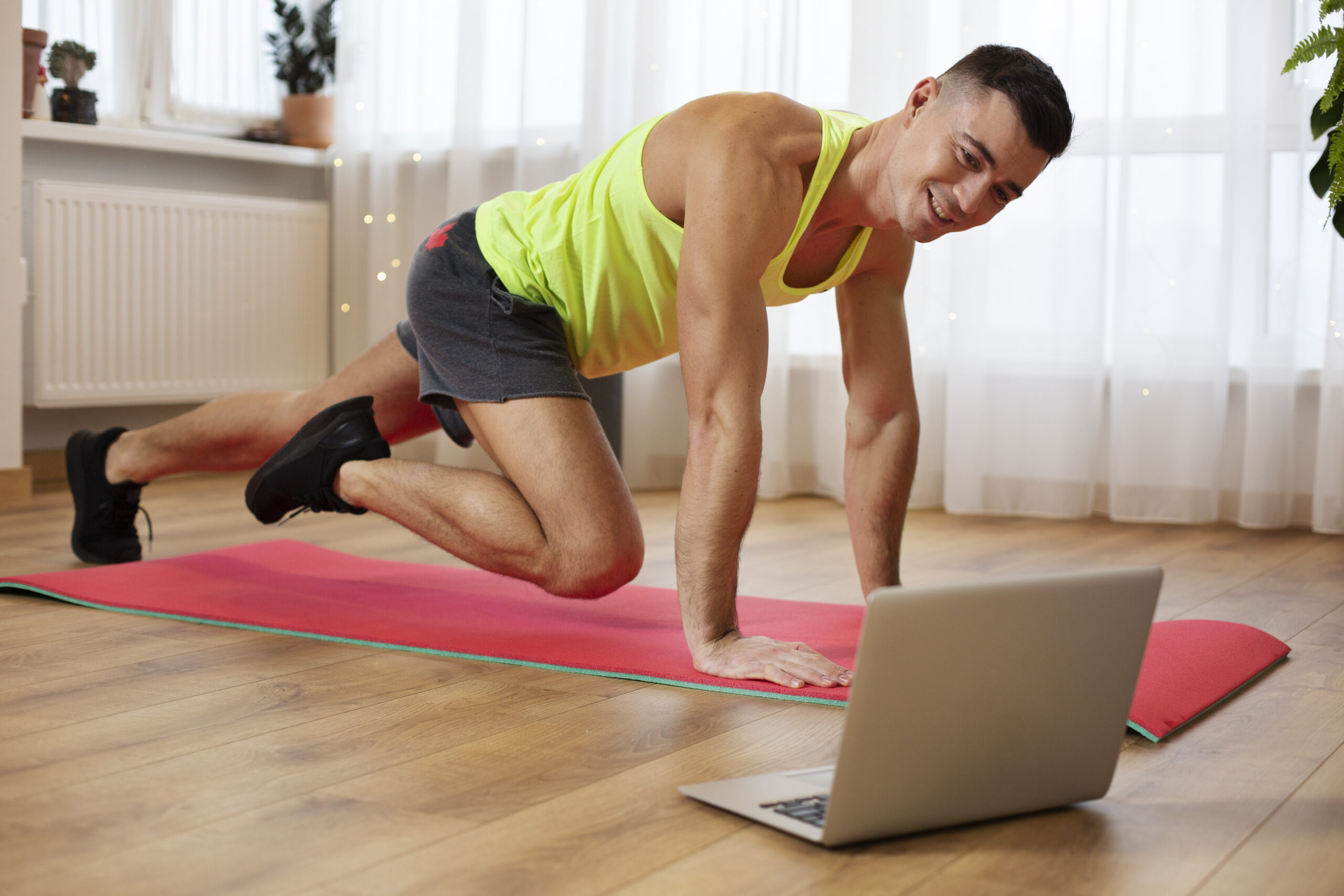
Starting a fitness routine can feel overwhelming, especially when you’re not sure what to do, how long to do it, or whether you’re doing it right. For many beginners, that uncertainty often leads to skipping workouts altogether. A beginner workout challenge helps cut through that confusion by offering a simple, structured plan that makes it easier to show up every day with confidence. Instead of wasting time figuring things out or overthinking each step, you follow a ready-made routine that gently introduces you to consistent movement.
This 7-day beginner workout challenge is designed to be done entirely at home and requires no equipment. It focuses on basic, functional movements that support habit formation, boost self-confidence, and gradually improve your strength and body awareness. The goal isn’t to push your limits or chase fast results, it’s to help you build a reliable, sustainable exercise habit that fits into your daily life.
In the sections ahead, you’ll learn what makes a beginner workout challenge so effective, how to prepare your home setup, which no-equipment exercises to focus on, how to structure your week for the best results, and what tips can help you stay on track. You’ll also discover the most common beginner mistakes and how to avoid them, so you can start strong and keep the momentum going.
What is a Beginner Workout Challenge?
A beginner workout challenge is a short, structured routine designed to help newcomers ease into regular physical activity. Unlike random workouts that often feel scattered or confusing, a challenge provides a clear path forward so you don’t have to decide what to do each day or wonder whether it’s the right level for you. When you’re just starting out, having a set plan removes the pressure of figuring things out on your own and makes it easier to build momentum.
What makes these challenges so effective is their simplicity. They usually last anywhere from five to fourteen days, which feels manageable for someone who’s just getting started. The exercises are typically bodyweight-only, meaning you don’t need fancy equipment or gym access. Sessions are short, often just ten to thirty minutes, so they can easily fit into your schedule without becoming overwhelming. The movements are straightforward and easy to learn, helping you focus more on forming the habit than chasing performance.
This type of challenge isn’t about dramatic transformations or pushing your limits. It’s about learning to move regularly, safely, and with growing confidence. By focusing on consistency over intensity, a beginner workout challenge lays the groundwork for a long-term fitness habit that feels sustainable.
Here are the key characteristics of a beginner workout challenge:
1. Short duration
A beginner workout challenge is intentionally short to feel realistic. Most challenges last between five and fourteen days, which lowers the mental barrier to starting. When beginners know the plan has a clear endpoint, they are more likely to commit fully rather than quit early. For example, committing to seven days feels far more achievable than promising yourself a whole month. This short time frame helps beginners build momentum without feeling trapped or overwhelmed.
2. Simple movements
The exercises used in a beginner workout challenge focus on basic bodyweight movements that are easy to understand and perform. Simplicity matters because complex exercises often lead to confusion, frustration, or injury. Movements like squats, wall push-ups, and gentle core work help beginners focus on proper form rather than coordination challenges. By keeping movements simple, the challenge builds confidence and encourages consistent participation.
3. Low time requirement
Beginner workout challenges are designed to fit into real life, which is why sessions typically last only ten to thirty minutes. Short workouts reduce excuses and make it easier to stay consistent, even on busy days. For instance, knowing that a workout will only take fifteen minutes makes it easier to start than postponing a more extended session. This low time demand reinforces the habit of showing up regularly.
4. Clear progression
A good beginner workout challenge follows a gradual and thoughtful progression. Workouts start light and increase slowly to help the body adapt safely. This approach reduces excessive soreness and lowers the risk of injury, which are common reasons beginners quit. For example, in the early days, focus on mobility and light strength before introducing slightly longer sessions later in the week. Clear progression helps beginners feel capable and motivated as they move forward.
How Can a Beginner Workout Challenge Help You Get Started?
A beginner workout challenge helps you move past the hardest part of starting a fitness habit: taking action. Many people delay exercising because they feel unsure or overwhelmed, but having a structured plan eliminates that uncertainty. When you’re told precisely what to do each day, you don’t have to waste time planning or doubting yourself, you show up and follow the plan. This removes decision fatigue and makes it easier to stick with your goal.
A good challenge also sets clear and realistic expectations. You’re not being asked to work out for hours or master advanced techniques. Instead, you build momentum through short, simple sessions that feel achievable. For instance, if your plan says it’s a mobility day, you’re more likely to begin knowing it won’t be too physically demanding. That consistency leads to small wins, which gradually build self-confidence.
Over time, these daily check-ins with your body improve your awareness and discipline. You begin to notice how your body feels, how your breathing shifts, or how much easier a movement becomes. That awareness makes you feel more connected to the process instead of just going through the motions. A 7-day format, in particular, works well for beginners because it feels doable, even for those with packed schedules. It gives you a quick yet effective entry point into fitness without the pressure of long-term commitment.
By the end of the week, most beginners report feeling more comfortable in their movements and are often ready to move on to the next challenge. What begins as a short commitment frequently becomes the start of a longer, more consistent habit.
How Do You Prepare for a 7-Day Beginner Workout Challenge at Home?
Preparing for your 7-day beginner workout challenge doesn’t need to be complicated, but it does need to be intentional. Taking time to organise your space, schedule, and mindset can significantly improve your chances of staying consistent. Many people skip workouts simply because they don’t plan or their environment makes it harder to follow through. That’s why preparation is just as important as the workouts themselves.
The first step is to choose a home workout space that gives you enough room to move safely. A flat, uncluttered area with non-slip flooring is ideal, but even a small living room or bedroom corner can work if it’s free of distractions. Once your space is sorted, set a fixed time to exercise each day. Morning sessions help lock in consistency, but if your energy peaks in the evening, go with what feels right. The key is to treat your workout like any other appointment, non-negotiable and part of your routine.
Wear comfortable clothes that allow free movement, and don’t worry about needing gear. Since this challenge is built around bodyweight exercises, there’s no equipment required. Finally, check your expectations. You don’t need to feel highly motivated every day to show up. Even if your energy is low, doing a shorter session still counts. Showing up is the win.
When paired with a beginner fitness plan that prioritises consistency over intensity, these simple preparations reduce friction and help you stay on track. A supportive setup at home can make all the difference in how easily you commit to the challenge.
Which No-Equipment Exercises Work Best in a Beginner Workout Challenge?
You don’t need fancy equipment or a gym membership to build strength, mobility, and confidence. A well-designed beginner workout challenge uses bodyweight movements that are simple, safe, and effective. These exercises mirror natural movement patterns, which makes them easier to learn and less intimidating for someone just starting. More importantly, they help beginners develop a strong foundation without feeling overwhelmed.
Here are some of the most effective no-equipment exercises for each area of the body:
Lower body: bodyweight squats, reverse lunges, glute bridges, and step-backs
Lower-body movements are key for building functional strength and improving balance. Squats and lunges train major muscle groups like your quads, hamstrings, and glutes, which are essential for everyday movements like walking or climbing stairs. These exercises also help improve lower-body endurance without putting too much stress on the joints. For beginners, focusing on form and control builds a solid base for more advanced routines later on.
Upper body: wall push-ups, incline push-ups, arm circles, and shoulder taps
Upper-body strength is often underdeveloped in beginners, especially those who have spent a lot of time sedentary. Wall push-ups and incline push-ups offer a gentle way to activate chest, shoulders, and triceps while allowing you to adjust the difficulty based on your strength level. Arm circles and shoulder taps, though low-impact, help improve mobility and joint stability. These movements keep your upper body engaged without overexertion.
Core: standing knee raises, dead bugs, seated core twists, and plank holds (short duration)
Core strength supports posture, balance, and injury prevention. These beginner-friendly core exercises target different muscle groups without requiring you to get on the floor for long periods. For example, dead bugs and knee raises help activate deep core muscles, while short plank holds improve stability. The key is control and consistency rather than duration or intensity.
Cardio and mobility: marching in place, low-impact jumping jacks, dynamic stretches, and controlled breathing
Cardio and mobility exercises boost circulation, warm up the body, and ease you into movement. Marching in place or doing low-impact jumping jacks can gently elevate your heart rate, which is ideal for beginners. Dynamic stretches and controlled breathing help release tension and improve range of motion. These movements are especially useful on active recovery days or when easing into a workout.
By focusing on movements that are easy to follow yet still activate multiple muscle groups, this no-equipment approach helps beginners stay motivated and avoid injury. The exercises are designed to support consistency, not push extremes, helping you stay committed through the entire challenge.
How Should You Structure Your 7-Day Beginner Workout Challenge for Best Results?
A clear structure supports recovery and balanced progress. When workouts alternate between intensity and rest, beginners are better able to adjust.
For instance, combining mobility days with light-strength days reduces fatigue and pain. Maintaining balance keeps the body motivated and responsive.
To keep your body engaged without feeling overwhelmed, the week alternates between effort and recovery. This balance allows beginners to stay consistent without excessive soreness. Here’s a simple 7-day sample structure:
Day 1: Full-Body Activation
- Light squats
- Arm motions
- Light core work
Day 2: Lower Body Focus
- Legs and glutes
- Reps are slow and controlled.
Day 3: Core & Upper Body
- Wall push-ups
- Standing core exercises
Day 4: Active Recovery
- Mobility work
- Stretching and breathing
Day 5: Full-Body Strength
- Slightly longer sets
- Still low-impact
Day 6: Light Cardio & Flow
- Continuous movement
- Pacing of quick morning workouts
Day 7: Full-Body Active Recovery
- Gentle stretches
- Reflection and cooldown
Through full-body active recovery, this structure promotes advancement while reducing pain and fatigue.
Tips to Make a Beginner’s Workout Challenge Easier to Stick With?
Monitoring completed days fosters accountability and visual progress. Making workouts easy to start is the key to consistency.
Here’s helpful advice:
- Start small and stop before exhaustion.
- Track your completion by using a calendar or checklist.
- Focus on consistency rather than perfection—missed days are not failures.
- Celebrate completion, because showing up matters more than performance.
- Pair workouts with routines, after waking up or before taking a bath.
These techniques assist beginners in maintaining discipline while finding the time to challenge core without being overburdened.
What Common Mistakes Should You Avoid in a Beginner Workout Challenge?
Avoiding common mistakes helps maintain your confidence as a beginner and your physical progress.
Discomfort, irritation, or unreasonable expectations make the process seem depressing, which is why many beginners quit exercising rather than because workouts are useless. Early repetition of mistakes often leads to a rapid decline in motivation.
For instance, trying difficult exercise variations too soon is a common problem. This can make exercising feel overwhelming rather than empowering, increase the risk of injury, and lead to excessive soreness.
Developing the ability to pay attention to your body is a crucial skill and an indication of strength rather than weakness.
Mistakes to Watch Out For
- Ignoring warm-ups can lead to strain or stiffness.
- Rushing through motions rather than maintaining precise form.
- Ignoring your body’s cues of pain or exhaustion.
- Comparing your development to that of others rather than concentrating on your own speed.
- Anticipating noticeable bodily changes within a few days.
You can create a positive experience that encourages long-term exercise training habits and helps you maintain consistency after the first week by concentrating on appropriate pacing and reasonable expectations.
To Sum Up
A beginner workout challenge provides an easy, encouraging way to start exercising with confidence and clarity. This home workout challenge encourages beginners to take action without feeling hurried or frightened by eliminating the need for equipment and emphasizing brief, organized sessions. The objective is consistency and safe movement—not perfection or quick results.
By following a sensible 7-day schedule, you may develop discipline and habit while allowing your body to adjust. It is easier to maintain commitment when simple exercises, balanced effort, and scheduled recovery help minimize discomfort and prevent burnout. Many beginners report greater vitality, enhanced awareness of their movements, and increased self-assurance in their ability to maintain an active lifestyle as the week progresses.
Above all, this challenge builds a solid foundation. By emphasizing consistency and realistic expectations, beginners are better equipped to continue their fitness journey in a manageable, sustainable way.
Frequently Asked Questions (FAQs)
Commonly asked questions about the beginner workout challenge.