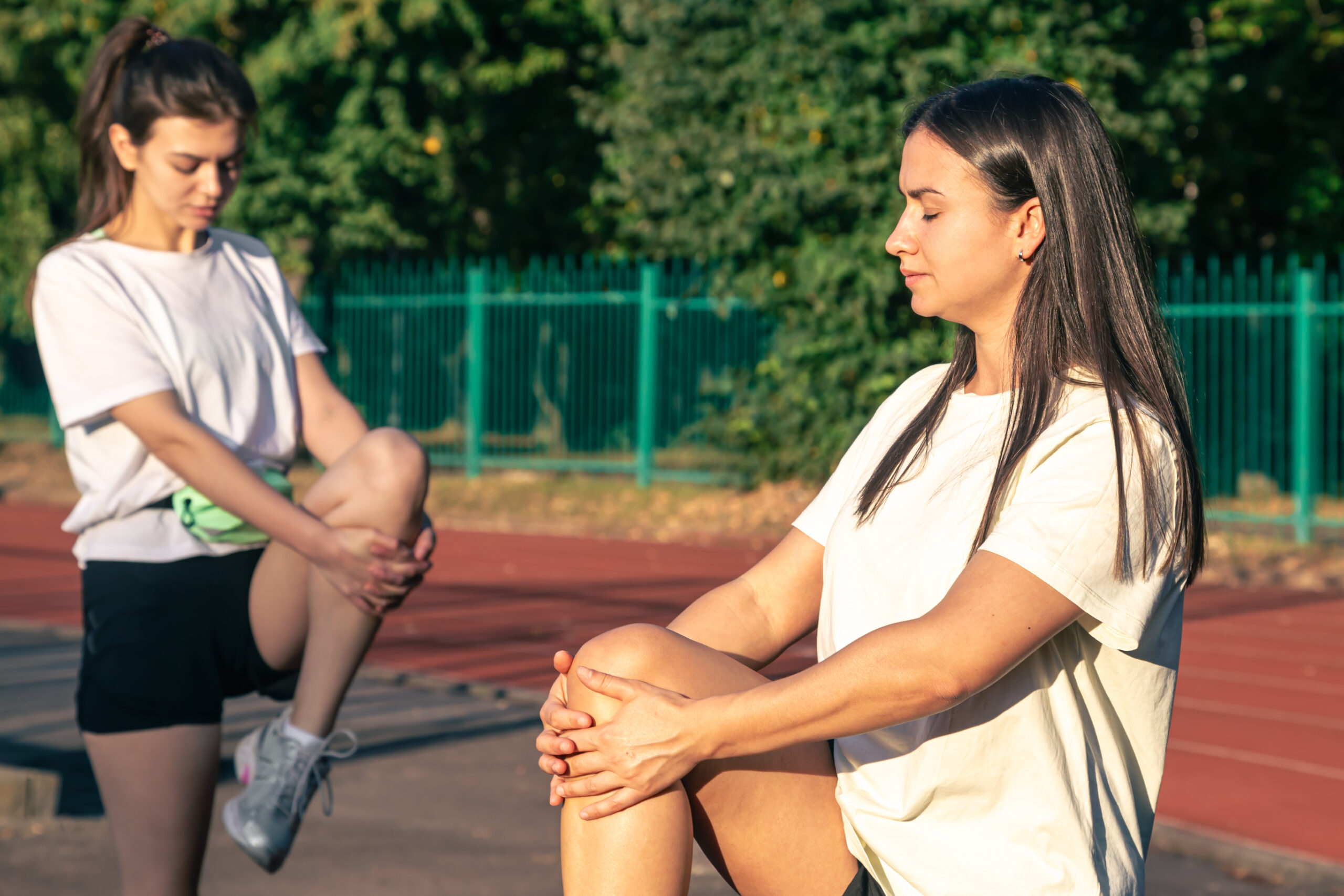
Beginner cardio for weight loss often gets misunderstood as slow, ineffective, or “not enough” to make a difference. In reality, it’s one of the smartest ways to start if you have joint sensitivity, low endurance, or you haven’t exercised in a while.
I’ve seen many beginners assume they need to run, jump, or push through exhaustion to see results. The problem is that this usually leads to sore knees, tight hips, and workouts that feel overwhelming after just a few sessions.
Weight loss doesn’t require punishment. It requires consistency. And consistency becomes possible when your workouts feel manageable instead of intimidating.
Low-impact options like walking, cycling, swimming, or simple at-home routines can raise your heart rate, burn calories, and build endurance without unnecessary strain. The goal isn’t to finish every session exhausted. It’s to build a routine you can repeat week after week.
In this guide, you’ll learn how to start safely, which joint-friendly options actually work, and how to progress gradually so you can lose weight without burning out or hurting yourself.
Why Beginner Cardio for Weight Loss Is the Smartest and Safest Starting Point
When your fitness level is low, your body simply isn’t ready for repeated impact.
Your heart and lungs can adapt fairly quickly. Your joints, tendons, and connective tissues adapt much more slowly. That mismatch is why beginners often feel knee pain, ankle soreness, or hip tightness before they build endurance.
This is exactly where beginner cardio for weight loss makes sense.
Low-impact movement allows your cardiovascular system to improve without overwhelming your joints. Instead of pounding the pavement, you’re building endurance in a controlled way. That reduces injury risk and makes it far more likely you’ll stick with the routine.
For beginners, the goal isn’t to train at maximum intensity. It’s to train at a level your body can recover from.
A practical guideline is to aim for moderate intensity, which usually means:
• You can talk in full sentences
• Your breathing is noticeably heavier
• You feel warm but not exhausted
This typically falls around 50 to 70 percent of your estimated maximum heart rate. At this level, you’re improving cardiovascular fitness and burning calories without creating excessive strain.
Many people think weight loss requires extreme effort. In reality, it requires effort you can repeat consistently. Low-impact cardio builds that base.
Starting slowly isn’t a sign of weakness. It’s a strategy that protects your joints, builds confidence, and sets you up for long-term success.
Can You Lose Weight Without Running or High-Impact Cardio?
Yes, you absolutely can.
Weight loss does not depend on running. It depends on creating a consistent calorie deficit over time.
Cardio helps because it increases energy expenditure. But the type of cardio matters less than how consistently you do it.
Let’s break this down in practical terms.
A 30-minute brisk walk can burn approximately 150 to 200 calories, depending on your body weight and pace. If you walk five days per week, that’s roughly 750 to 1,000 calories burned weekly, and you will feel the benefits of walking.
Over a month, that could equal 3,000 to 4,000 calories. Since roughly 3,500 calories equals about one pound of body fat, those “simple” walks start to add up.
Now compare that to running.
Running may burn more calories per minute, but if it leads to knee pain, skipped sessions, or burnout, the weekly total often ends up lower.
Low-impact cardio works because:
• It’s repeatable
• It reduces injury risk
• It supports daily movement habits
• It improves overall energy levels
Consistency creates cumulative calorie burn. And cumulative calorie burn drives fat loss.
There’s also another overlooked factor: recovery.
High-impact workouts can increase soreness and fatigue, which sometimes reduces overall daily movement. When you’re exhausted, you sit more. When you sit more, your total daily calorie burn decreases.
Beginner-friendly, low-impact cardio often preserves energy levels, allowing you to stay more active throughout the day. That steady movement, sometimes called non-exercise activity, contributes meaningfully to weight loss over time.
You don’t need extreme intensity to lose weight.
You need a manageable calorie deficit supported by movement you can sustain.
That’s why beginner cardio for weight loss can be highly effective, even without running or jumping.
What Are the Best Low-Impact Cardio Exercises for Beginners?
When I work with beginners, I rarely start them on machines they’re intimidated by. I usually start with walking.
Not because it’s flashy. But because it works.
Low-impact cardio doesn’t need to feel impressive. It needs to feel repeatable. The best option is the one you’ll still be doing four weeks from now.
Here are the options I’ve seen work most consistently.
1. Brisk Walking (My Default Starting Point)
If someone tells me they’re out of shape or worried about their knees, I start here.
Brisk walking is underrated. A 30-minute walk can burn 150-200 calories, depending on body weight and pace. That may not sound dramatic, but doing it five times per week adds up quickly.
What I like about walking:
• It’s accessible
• It doesn’t require equipment
• You can adjust the pace easily
• It rarely causes joint flare-ups
Most beginners underestimate how effective a slightly faster pace can be. If you’re breathing heavier but still able to talk, you’re doing enough.
2. Stationary Cycling (Great for Sensitive Knees)
If walking irritates your knees, cycling is usually my next recommendation.
It removes impact entirely while still elevating heart rate. At moderate effort, 30 minutes can burn around 200 to 300 calories depending on resistance and body weight.
What I appreciate about cycling is how easy it is to control intensity. You can increase resistance slightly without suddenly overwhelming your joints.
3. Elliptical Training (A Solid Middle Ground)
The elliptical is a good step up once endurance improves.
It mimics the motion of running but without the pounding. For beginners who want to feel like they’re working harder without joint stress, this can be a confidence booster.
That said, I don’t push this too early. It’s best once you’ve built a small base with walking or cycling first.
4. Swimming or Water Aerobics (Best for Joint Pain)
For individuals with significant joint discomfort, water-based cardio is often the safest starting point.
The water supports body weight, reducing stress on knees and hips while still challenging the cardiovascular system.
It’s not always convenient, but it’s extremely effective.
5. No Equipment Workouts at Home
Not everyone wants a gym membership, and that’s completely fine.
Some of the most consistent progress I’ve seen comes from simple no equipment workouts done at home. Marching in place, step-touch movements, low-impact dance routines, or even walking around your house while listening to a podcast absolutely count.
These easy cardio workouts remove the biggest barrier for beginners: logistics. No commute, no waiting for machines, and no social pressure.
If your heart rate rises and you feel slightly warm, it qualifies as effective beginner cardio.
I often remind beginners that it doesn’t have to look intense to work. It just has to be consistent.
How I Know It’s the Right Intensity
If you can:
• Speak in full sentences
• Feel your breathing increase
• Recover well the next day
• Repeat the workout several times per week
Then you’re in the right zone.
The biggest mistake beginners make is chasing exhaustion. I look for repeatability. If you can do it again tomorrow without dread or pain, that’s sustainable.
And sustainable is what leads to weight loss.
How Much Beginner Cardio for Weight Loss Is Actually Enough?
This is where most beginners either overdo it or underestimate it.
I’ve seen people go from zero activity to trying 60 minutes a day because they’re motivated. That usually lasts about a week. On the other hand, I’ve also seen people walk once a week and expect dramatic results.
The sweet spot is in the middle.
For most beginners, the widely recommended baseline is 150 minutes of moderate-intensity cardio per week. That breaks down to about:
• 30 minutes, 5 days per week or
• 25 minutes, 6 days per week
That’s manageable. And it works.
If you’re just starting after a long break, begin even smaller:
Weeks 1–2
20 minutes of brisk walking, 4 times per week.
Weeks 3–4
Increase to 25–30 minutes, 4–5 times per week.
After Week 4
Add small progressions:
• Slightly faster pace
• Gentle incline
• An extra weekly session
• Or a few short intervals of slightly higher effort
The goal isn’t to exhaust yourself. It’s to build a routine your body adapts to.
From a calorie perspective, 150 minutes of moderate cardio can burn roughly 800 to 1,200 calories weekly, depending on body size and intensity. Combined with nutrition adjustments, this contributes meaningfully to a sustainable calorie deficit.
What I personally look for isn’t “maximum burn.” I look for consistency markers:
- Are you recovering well?
- Are your joints pain-free?
- Can you repeat this next week?
- Does it fit your schedule?
If the answer is yes, you’re doing enough.
Weight loss doesn’t come from occasional extreme effort. It comes from steady weekly energy expenditure layered over months.
Start smaller than you think you need to. You can always increase later.
How Beginner Cardio for Weight Loss Builds Endurance Before Harder Workouts
One of the biggest mistakes beginners make is thinking fat loss is the only goal.
Endurance is the real foundation.
When you start beginner cardio for weight loss, you’re not just burning calories. You’re training your cardiovascular system to become more efficient. Your heart pumps more effectively, lungs deliver oxygen better, and your muscles learn to use energy more efficiently.
In the first few weeks, the changes may not show up on the scale immediately. But they show up in daily life.
Climbing stairs feels easier.
Walking longer distances feels less intimidating.
You recover faster between efforts.
That’s endurance building.
And this is where many people underestimate low-impact cardio.
Because it’s moderate, it allows your body to adapt without excessive soreness. That means you can train more consistently, which compounds progress over time.
I’ve noticed that once beginners build even a small endurance base, their confidence changes. They’re more open to trying light strength training. They’re less afraid of longer sessions. Movement starts to feel normal instead of exhausting.
Physiologically, endurance training increases mitochondrial efficiency and improves how your body uses fat as fuel during moderate activity. Over time, this supports longer sessions and improved calorie expenditure without feeling dramatically harder.
It’s not dramatic progress. It’s quite a progress.
And quiet progress is usually the kind that lasts.
Beginner cardio doesn’t just help you lose weight. It prepares your body for whatever comes next, whether that’s resistance training, interval work, or simply maintaining an active lifestyle long term.
How Should Beginners Progress Cardio for Weight Loss as Fitness Improves?
Progressing beginner cardio for weight loss isn’t about suddenly doing harder workouts. It’s about becoming slightly better than you were last week.
This is where many beginners go wrong. They assume progress means intensity. In reality, progress means adaptation.
When your workouts start to feel easier, that’s not a sign to jump into high-impact training. It’s a sign your body is adapting.
Here’s how I guide progression safely:
1. Increase Time Before Intensity
If you’re walking 20 minutes comfortably, move to 25.
If you’re cycling 25 minutes, move to 30.
Small increases of 5 minutes are enough. There’s no need to double your session length.
2. Adjust Pace Gradually
Instead of running, slightly increase your walking speed or add a gentle incline. On a bike, add a small amount of resistance.
You should still be able to talk, but your breathing should feel slightly more challenged than before.
3. Add Light Strength Movements
As endurance improves, I often suggest adding simple bodyweight movements like mini step-ups or light squats after cardio.
This builds muscle, which supports long-term fat loss by increasing overall energy expenditure.
4. Track Progress Simply
You don’t need complicated metrics. Track:
• Minutes completed
• Distance walked
• Perceived effort
• How you feel the next day
Progress is easier to maintain when you can see it.
Why This Matters for Long-Term Weight Loss
Many weight loss tips for beginners focus only on calories or intensity. But the real breakthrough happens when you build weight loss habits that actually stick.
Cardio progression should feel sustainable, not intimidating.
If you increase too aggressively, you risk soreness, burnout, or joint irritation. If you increase gradually, your body adapts smoothly, and confidence builds.
The goal is not to shock your body. It’s to train it consistently.
The best progression plan is one you can maintain for months, not just weeks.
When cardio becomes part of your normal routine instead of a temporary push, weight loss becomes far more sustainable.
What Mistakes Should Beginners Avoid When Doing Cardio for Weight Loss?
In my experience, beginners rarely fail because they’re lazy.
They quit because they start too hard, feel discouraged, or assume they’re “not built for cardio.”
Most setbacks come from avoidable mistakes.
Here are the ones I see most often.
1. Starting Too Aggressively
The fastest way to quit is to begin like an advanced athlete.
Jumping into high-impact workouts when your joints aren’t ready often leads to soreness in the knees, hips, or ankles. A week later, motivation drops because movement feels uncomfortable.
Start at a level that feels almost too easy. You can always build from there.
2. Ignoring Warm-Ups and Cool-Downs
Five minutes of slower walking or marching prepares your joints and muscles for movement. Skipping this step increases stiffness and discomfort, especially for beginners.
Recovery is part of progress, not an optional extra.
3. Focusing Only on Calories Burned
Fitness trackers can be helpful, but obsessing over calorie numbers often leads to frustration.
Weight loss is influenced by overall energy balance, not a single workout session. Consistency across weeks matters more than what your watch says today.
4. Comparing Yourself to Others
One of the most damaging habits I see is comparison.
Your starting point is unique. Someone else’s pace, duration, or transformation timeline has nothing to do with yours.
This is where mind conditioning and techniques to overcome negative thoughts become powerful. When beginners shift from “I’m not fit enough” to “I’m improving steadily,” adherence improves dramatically.
Your mindset determines whether you continue when progress feels slow.
5. Expecting Immediate Results
Endurance builds first. Visible fat loss takes time.
The body adapts gradually. Early weeks improve cardiovascular efficiency and energy levels before major changes appear on the scale.
If you expect dramatic results immediately, you will be discouraged. If you expect gradual progress, consistency follows.
Beginner cardio for weight loss should feel manageable, not punishing.
When you avoid these common mistakes and approach training with patience, progress becomes far more predictable.
Physical change happens in the body. But long-term success often starts in the mind.
Final Takeaway
Beginner cardio for weight loss works because it removes the biggest barriers that stop most people from continuing.
It protects your joints, builds endurance gradually, creates manageable calorie burn, and most importantly, it’s repeatable.
You do not need extreme workouts to lose weight. You need movement you can perform consistently without pain, burnout, or dread.
When you focus on steady effort instead of intensity, something important happens. Your endurance improves. Your confidence grows. Daily movement becomes easier. And calorie expenditure accumulates quietly in the background.
Weight loss is rarely about one intense session. It’s about small, structured efforts repeated for months.
If your workouts feel manageable enough to repeat next week, you’re on the right track.
Sustainable progress always outperforms dramatic starts.
Frequently Asked Questions (FAQs)
Commonly asked questions about beginner cardio for weight loss.