Getting started with cycling can feel a bit awkward. Your legs wobble, your helmet might feel too snug, and every little bump can catch you off guard. But with the right tips, those early rides can feel smoother, safer, and actually fun.
The secret lies in forming smart habits early. When your bike fits well, your posture feels natural, and you know a few safety basics, cycling quickly shifts from intimidating to enjoyable.
This guide shares beginner-friendly tips on gear setup, safety, comfort, and confidence-building so that you can ride with less stress and more freedom from your very first trip out.
What Beginner Cycling Tips Help You Choose the Right Gear Setup?
The proper setup can make or break your first few rides. If your saddle is too high, you’ll feel it in your knees. If your helmet pinches or wobbles, it becomes a distraction. Getting your bike and gear sorted from the start makes every ride feel safer and a lot more enjoyable.
When your setup fits your body and your needs, it builds confidence. Instead of worrying about soreness, slipping gears, or random clicks and squeaks, you get to focus on the ride itself.
Start with these must-haves:
- Bike fit: Your saddle should be high enough that your knee has a slight bend at the bottom of each pedal stroke. A proper fit prevents joint pain and helps you ride more efficiently.
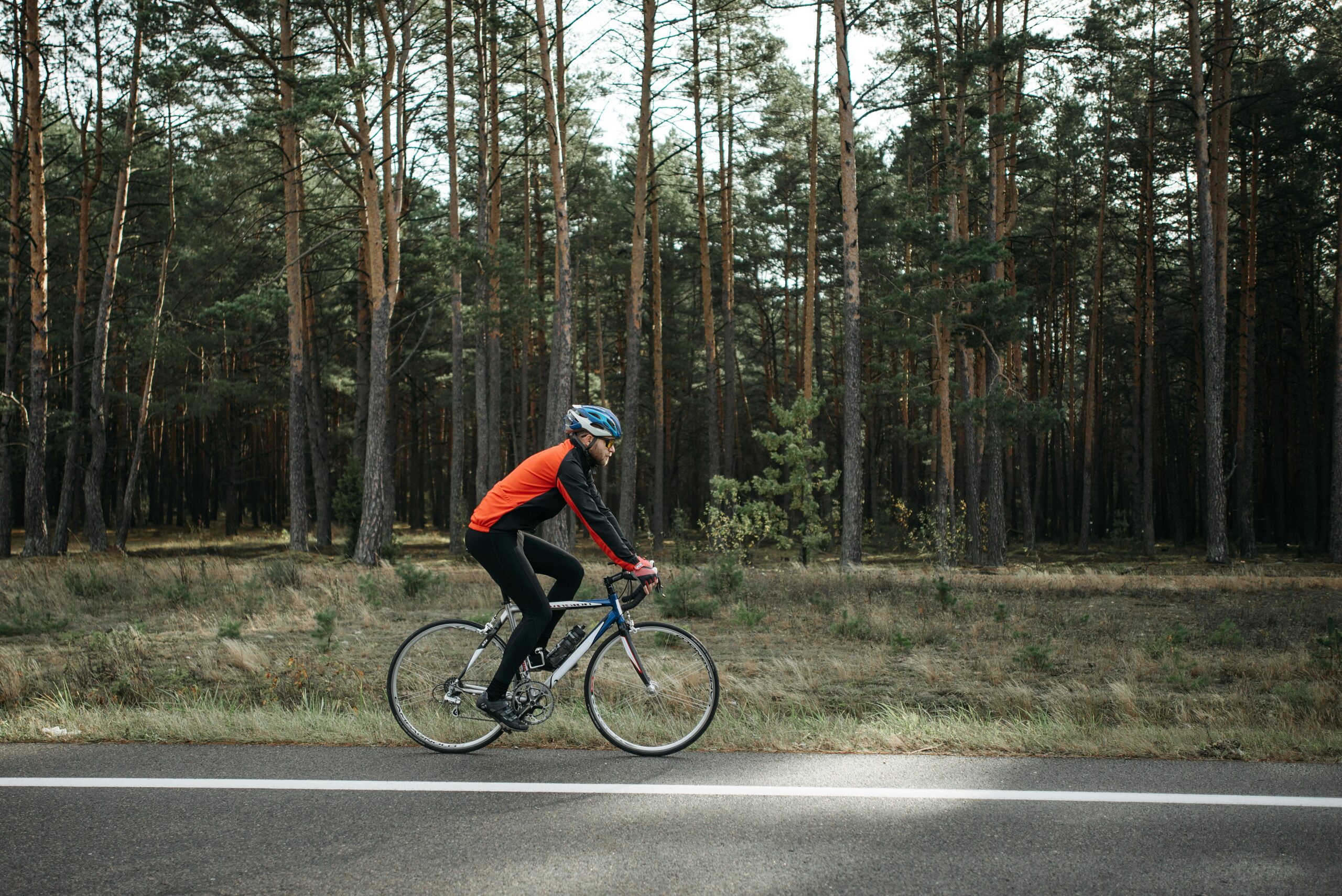
- Helmet and protection: A helmet should sit snug and level, not too far back or tilted forward. Add gloves for grip and comfort, and consider reflective gear or pads for extra safety.
- Tires and brakes: Always check your tire pressure before heading out. Make sure your brakes respond smoothly and aren’t rubbing.
- Essential accessories: A bottle cage for hydration, front and rear lights for visibility, and a small tool kit can make a big difference when something unexpected happens.
Dialing in your gear early on gives you one less thing to stress about and a whole lot more reason to keep riding.
What Beginner Cycling Tips Keep You Safe on the Road or Trail?
Safety is one of the biggest concerns for new riders, and that makes sense. Roads can feel chaotic, and trails can be unpredictable. But once you know the basics, cycling becomes far less stressful and a lot more empowering.
Understanding how to ride alongside traffic, signal clearly, and respect others on the path gives you a sense of control. It helps you feel less like a nervous newcomer and more like someone who belongs out there.
Here are a few beginner-friendly habits that make a big difference:
- Obey traffic laws: Always ride with the flow of traffic. Use hand signals early and clearly so drivers and fellow riders know what you’re doing.
- Stay visible: Bright colors during the day and reflective gear or lights at night go a long way. Even during early morning rides, visibility matters.
- Be predictable: Sudden stops or swerves can confuse people around you. Hold your line, signal your turns, and make eye contact when needed.
- Respect trail rules: Yield to pedestrians and hikers, stay to the right, and pass with a friendly call like “on your left.”
- Pick safe routes: Quiet backstreets and well-marked bike paths are great starting points. As you grow more confident, you can tackle busier roads.
The more you ride with safety in mind, the more natural these habits will become. And the more freedom you’ll feel to explore.
What Beginner Cycling Tips Improve Your Posture and Comfort While Riding?
Posture might not be the first thing on your mind when you get on a bike, but it makes a big difference in how your body feels during and after a ride. Good posture helps prevent sore knees, stiff shoulders, and aching lower backs. It also enables you to ride longer and with more control.
If you’ve ever ended a short ride feeling more tired than expected, posture could be the reason. A few simple adjustments can quickly make your rides feel more comfortable.
Try these beginner-friendly tips to stay relaxed and supported on the bike:
- Keep a light grip: Avoid clenching the handlebars. A gentle grip reduces tension in your arms and shoulders.
- Engage your core: Even a bit of core activation helps with balance and takes pressure off your wrists and lower back.
- Maintain a neutral spine: Sit tall but not stiff. Keep your back relaxed and your shoulders down, not hunched forward.
- Pedal smoothly: Think of a full circle with each stroke. Push down and pull through, using your whole leg for better efficiency.
These posture habits not only reduce discomfort but also help you feel more in sync with your bike. The more natural your form feels, the more enjoyable each ride becomes.
What Beginner Cycling Tips Make Cycling Fun and Motivating?
If cycling feels like a chore, it becomes easier to skip a ride. But when it’s fun, it turns into something you actually look forward to. Enjoyment is one of the most underrated parts of staying consistent.
Many beginners stop riding because it feels too complicated or overwhelming. But if you keep it light, social, and rewarding, you’re more likely to stick with it and build momentum.
Try these ways to keep your rides enjoyable and motivating:
- Start small and grow steadily: Begin with short, easy rides. Even 10 to 15 minutes counts. As your stamina improves, increase the distance at your own pace.
- Ride with a friend or group: Having someone to ride with boosts accountability and makes each ride more enjoyable. Conversations and shared routes can keep things interesting.
- Track your progress: Use a simple app or notebook to record how far you’ve gone or how long you’ve ridden. Watching your progress adds a sense of achievement.
- Switch up your routes: New scenery helps keep boredom away. Explore different neighborhoods, parks, or bike paths to stay excited about where you’re going next.
When you focus on what makes the ride fun, cycling becomes more than exercise. It becomes something you look forward to, and that’s what keeps the habit going.
What Beginner Cycling Tips Build Confidence for New Riders?
Confidence doesn’t just show up. It grows when you plan smart, ride regularly, and learn from small wins. The more you prepare and practice, the more in control you’ll feel — even on unfamiliar roads or hills that once seemed intimidating.
Many new cyclists feel nervous at first, especially when navigating traffic or fixing their first flat. But every ride gives you a chance to improve and feel more capable.
These simple steps can help boost your confidence:
- Take on gradual challenges: Start with short and easy routes. As you gain control and endurance, increase the distance, pace, or terrain difficulty little by little.
- Learn basic bike maintenance: You don’t need to become a full-on bike mechanic, but knowing how to handle common issues can save time and reduce stress.
Some useful skills to start with:
- Checking and adjusting tire pressure for comfort and speed
- Cleaning and oiling your chain to keep gears running smoothly
- Knowing how to patch or replace an inner tube in case of a flat
- Plan ahead: Use apps like Google Maps or Komoot to map safe, bike-friendly routes. Look for bike lanes, shared paths, or quieter streets that suit your comfort level.
With each ride, you’ll build more trust in your ability to handle whatever comes up. The more prepared you feel, the more you’ll enjoy the ride and the more confident you’ll become.
What Beginner Cycling Tips Help Avoid Common Mistakes Every Beginner Makes?
The early days of cycling are exciting, but they can also be filled with avoidable frustrations. Many new riders make small mistakes that lead to discomfort, slow progress, or even injury. The good news is that a few smart adjustments can prevent most of these issues.
Recognizing these pitfalls early helps you ride more smoothly and build habits that support long-term progress.
Here are some of the most common mistakes beginners should watch out for:
- Overlooking bike fit: Even a slightly misaligned saddle or handlebar height can cause knee pain, numb hands, or poor posture. A proper bike fit improves comfort, safety, and overall efficiency.
- Pushing too hard too soon: More isn’t always better. Trying to ride too far or too fast right away often leads to soreness or burnout. Ease into cycling to let your body adapt gradually.
- Skipping strength and core work: Strong legs help, but cycling also depends on your core and glutes for balance and endurance. Off-bike exercises like planks or glute bridges make a noticeable difference.
- Neglecting nutrition and hydration strategies: Without fuel, your body can’t perform well. Eat a balanced meal before your ride, carry water, and sip regularly to stay hydrated. Smart hydration strategies also help with recovery and reduce fatigue.
- Ignoring technique and skill-building: Cycling is more than pedaling fast. Learning how to brake smoothly, shift gears efficiently, and corner with control gives you more confidence and reduces risk.
By avoiding these common mistakes, you set yourself up for a safer and more rewarding cycling experience. The sooner you build solid habits, the more fun your rides become.
Final Thoughts
Every beginner starts somewhere, and the proper habits can make all the difference. When your gear fits well, your posture feels balanced, and you focus on safety and enjoyment, cycling becomes more than just a workout. It becomes a part of your routine that you actually look forward to.
The real progress comes from consistency and small wins. Each time you plan your route, adjust your position, or handle a new terrain, you’re building confidence and skill.
From setting up your bike to learning hydration strategies and staying motivated, these tips are here to guide your journey. Keep things simple, listen to your body, and celebrate your progress along the way.
Even a short ride counts. Over time, those short rides build into something bigger, a routine that supports your health, mindset, and sense of adventure.
Frequently Asked Questions (FAQs)
Commonly asked questions by beginners about cycling tips.