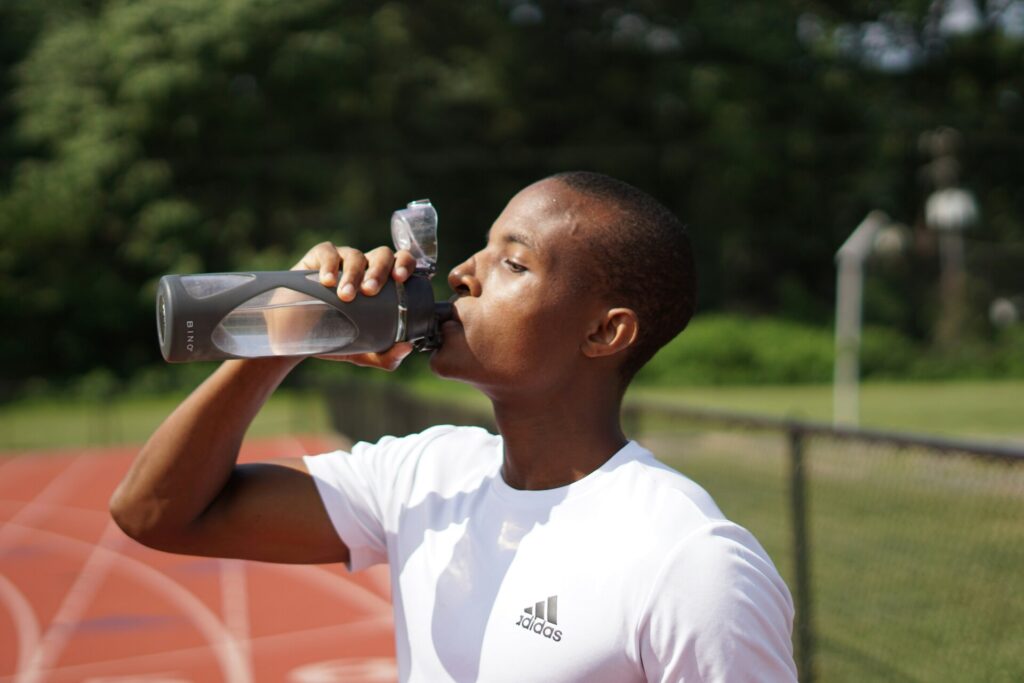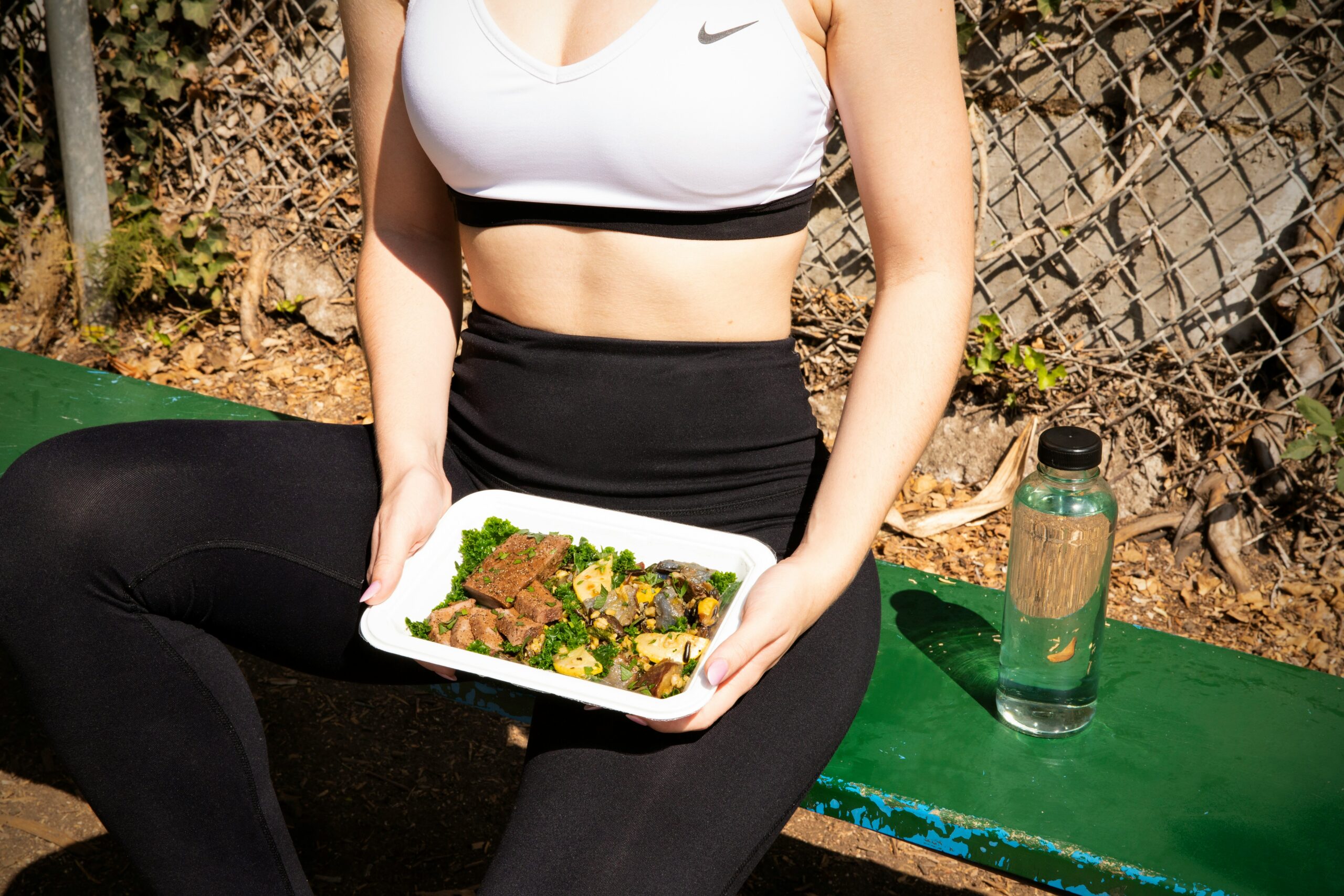
If you’ve ever stood in the kitchen after training and wondered about the whole post-workout drink vs snack debate, you’re not alone. After years of watching people train for fat loss and strength, this is one of the most common questions that comes up. Should you grab a protein shake because it’s fast and convenient, or sit down with something solid like yogurt, eggs, or fruit?
Some people feel better sipping a shake because it’s light and easy on the stomach. Others notice they’re still hungry after a drink and need real food to feel satisfied. Then social media adds to the confusion, with one side claiming liquids absorb faster and the other insisting whole foods are always superior.
Here’s what experience shows: this isn’t really a battle between drinks and snacks. It’s about choosing the right recovery tool for your goal and your appetite.
Your body doesn’t care whether protein comes from a shaker bottle or a bowl. It cares that you replace what you used during training, especially protein for muscle repair and carbohydrates to restore energy. What matters more is your goal, your schedule, and how your hunger responds after exercise.
If fat loss is your focus, the wrong recovery choice can quietly push you over your daily calories. If strength is the goal, skipping proper refueling can slow muscle repair and limit progress. The better option depends on what you need in that moment, not on a one-size-fits-all rule.
In this guide, we’ll break down when a drink makes more sense, when a solid snack is the smarter move, and how to decide without overthinking your recovery.
What Are Post-Workout Drinks and Snacks, and How Do They Actually Work?
To understand the post-workout drink vs snack question properly, it helps to look at what’s happening inside your body after training.
After a workout, three main things occur. Your muscles use up glycogen, especially during strength or high-intensity sessions. Muscle fibers develop small microtears, which is a normal and necessary part of adaptation. And if you’ve been sweating, you’ve also lost fluids and electrolytes.
This is where post-exercise nutrition comes in. The goal isn’t to “hack” recovery. It’s to replace what was used and support the repair process.
Protein provides the amino acids needed to repair and build muscle tissue. For most adults, around 20 to 40 grams of high-quality protein after training is enough to stimulate muscle protein synthesis. Carbohydrates help replenish glycogen stores, particularly important if you train frequently or plan another session within 24 hours. Fluids and electrolytes restore hydration and help maintain performance.
Both drinks and snacks can deliver these nutrients, but they do so differently.
A post-workout drink, such as a whey protein shake or a milk-based recovery beverage, is digested more quickly because it’s liquid. This can be useful when appetite is low, when time is limited, or after a demanding session where quick replenishment feels easier. Research on the effects of various post-exercise beverages with food suggests that combining fluids with carbohydrates and protein may effectively support hydration and muscle recovery.
A post-workout snack, such as Greek yogurt with fruit, eggs and toast, or rice with lean protein, digests more slowly. Solid foods tend to increase satiety and often provide additional nutrients like fiber, vitamins, and minerals. For individuals focused on fat loss or appetite control, this slower digestion can be beneficial.
In practice, both approaches can support recovery. The difference isn’t about which one is superior. It’s about digestion speed, convenience, appetite, and how each option fits into your overall daily nutrition strategy.
The real mistake isn’t choosing a drink or a snack. It’s neglecting protein, carbohydrates, or hydration altogether.
Which Post-Workout Option Best Supports Fat Loss Goals?
When I first focused seriously on fat loss, I made a mistake that a lot of people make. I trained hard, burned calories, and then treated my post-workout nutrition like a reward instead of a strategy.
Some days it was a large smoothie packed with nut butter and fruit because it felt “healthy.” Other days I skipped recovery altogether to save calories, only to overeat later at night because I was starving. Both approaches quietly worked against my goal.
That’s why what you consume after training matters more than most people realize.
Fat loss is not just about burning calories during your workout. It’s about preserving muscle while staying in a controlled calorie deficit. After exercise, your body still needs protein to repair muscle tissue. If you under-eat protein, you risk losing lean mass. If you overdo calories, you erase the deficit you worked hard to create.
This is where the decision between post-workout drink vs snack becomes practical.
If appetite is low after training, a protein shake made with water or unsweetened milk can be a controlled way to get 20 to 30 grams of protein without adding excessive calories. This works well for people who tend to overeat later if they delay protein intake.
On the other hand, if you feel genuinely hungry after training, a solid snack like Greek yogurt with fruit or boiled eggs can be more satisfying. Solid food increases satiety and may help prevent the “I trained hard, so I deserve more” mindset that often leads to accidental overeating.
In fat loss phases, the most important factors are:
- Hitting your daily protein target
- Managing total calorie intake
- Preventing extreme hunger later in the day
Whether that protein comes from a drink or a snack is secondary. The better choice is the one that keeps you consistent and in control of your overall intake.
Fat loss becomes much easier when recovery is intentional instead of emotional.
What Fat Loss Beginners Often Get Wrong After a Workout
One of the biggest mistakes I see in fat loss phases isn’t the training intensity. Its recovery decisions are made without awareness.
Here are the most common patterns:
1. Treating post-workout nutrition as a reward.
Burning 300 calories does not justify a 600-calorie smoothie. Many “healthy” recovery drinks are calorie-dense yet fail to provide lasting fullness.
2. Skipping protein to save calories.
Some people avoid eating after training to maximize their deficit. This often backfires. Low protein intake increases the risk of muscle loss and leads to stronger hunger later in the day.
3. Ignoring hunger signals entirely.
There’s a difference between emotional eating and real physiological hunger. After resistance training, real hunger is often your body’s way of asking for protein and carbohydrates.
4. Relying only on liquid calories.
Protein shakes are efficient, but they don’t always control appetite well for everyone. If you tend to snack later, a solid option might work better.
The goal isn’t to eat as little as possible after training. The goal is to recover in a way that protects muscle and keeps your daily calorie intake predictable.
When fat loss stalls, it’s often not because workouts aren’t hard enough. It’s because recovery isn’t structured.
How Do Post-Workout Drinks and Snacks Impact Strength Building?
When strength is the goal, recovery becomes part of the training plan, not an afterthought.
I’ve seen lifters train consistently, push progressive overload, and still wonder why progress stalls. Often, the missing piece isn’t effort in the gym. It’s what happens in the hour after the session ends.
Strength gains depend on adaptation. After resistance training, your muscles are primed for repair. Muscle protein synthesis increases, glycogen stores are partially depleted, and your body is ready to use incoming nutrients efficiently. This is where structured post-workout nutrition makes a difference.
Most people benefit from roughly 20 to 40 grams of high-quality protein after lifting. If your sessions are intense or high-volume, adding carbohydrates, typically around 30 to 60 grams depending on body size and workload, helps replenish glycogen and support future performance.
This is where post-workout recovery drinks and solid food options each have a role.
Post-workout recovery drinks, such as whey protein shakes or milk-based recovery beverages, provide a fast-digesting source of protein. They’re practical immediately after heavy sessions, especially when appetite is low or time is limited. Liquid protein lets you meet your immediate recovery needs without overcomplicating things.
On the other hand, high-protein snacks for post-workout, such as Greek yogurt with oats, chicken with rice, or eggs with toast, deliver protein alongside carbohydrates in a slower-digesting form. These options often increase satiety and provide a broader nutrient profile, which can be useful if your next full meal is several hours away.
For many strength-focused individuals, the most effective approach is not choosing one permanently. It’s using both strategically. A recovery drink can meet immediate protein needs, followed by a balanced meal within 1 to 2 hours to support muscle repair and glycogen replenishment.
Strength improves when daily protein intake is adequate, and recovery is consistent. The real mistake is not choosing the “wrong” format. It’s leaving recovery to chance.
When Is the Best Time to Choose a Drink or Snack After Exercise?
Timing matters, but not in the extreme way social media often suggests.
There’s a common belief that you must consume something within a narrow “anabolic window” or risk losing muscle gains. In reality, the recovery window is wider than most people think. What matters more is whether you’ve trained fasted, how intense the session was, and when your next full meal is scheduled.
Immediately after training, your body is more receptive to nutrients. Muscle protein synthesis is elevated, and glycogen restoration begins. This is why many people ask what to drink after workout sessions, especially when their appetite is low.
If you’re not hungry right after training, a post-workout recovery drink can be a practical starting point. A simple whey protein shake mixed with water or milk provides quick protein without feeling heavy. If hydration was significant, adding fluids and electrolytes also makes sense.
However, if you finish your workout feeling genuinely hungry, skipping solid food in favor of a drink may not satisfy you. In that case, a balanced snack containing protein and carbohydrates is often the smarter move.
Here’s a simple decision framework:
Choose a drink if:
- You trained intensely and want fast protein delivery
- You have a low appetite
- You’re commuting or short on time
- Your next full meal is within 1 to 2 hours
Choose a snack if:
- You feel a strong hunger
- Your next meal is several hours away
- You’re managing cravings later in the day
- You want more satiety
For most people, recovery does not need to be complicated. You can start with a drink if your appetite is low, then follow it with a proper meal within one to two hours. Or you can go straight to a solid snack if you’re hungry.
The best timing strategy is the one that fits your schedule and supports your total daily nutrition, not one that creates stress or rigid rules.
Can Post-Workout Drinks or Snacks Help Manage Hunger and Boost Energy?
One of the most overlooked parts of recovery isn’t muscle repair. It’s appetite control.
I’ve seen this happen many times. Someone finishes a tough workout, feels fine at first, skips recovery, and then two or three hours later, they’re ravenous. That’s when cravings hit, portion control disappears, and the day’s calorie plan quietly falls apart.
What you consume after training directly affects how stable your energy and hunger levels remain for the rest of the day.
Exercise can temporarily suppress appetite in some people, especially after high-intensity sessions. In those cases, a light post-workout recovery drink can help stabilize blood sugar and begin muscle repair without feeling overwhelming. Homemade recovery drinks, such as a simple blend of milk, banana, and protein powder, can be just as effective as commercial options without unnecessary added sugars.
On the other hand, some people feel extremely hungry after lifting or cardio. That hunger is not weakness. It’s often your body signaling that you need fuel. In those situations, high-protein snacks after workouts combined with carbohydrates may do a better job of regulating appetite and preventing later overeating.
Hydration also plays a major role in energy levels. Many people assume they are hungry when they are actually dehydrated. You need electrolytes after a workout, especially if the session was long, sweaty, or performed in hot conditions. Sodium and other electrolytes help restore fluid balance and support recovery of performance. Starting with water or a balanced beverage can clarify whether you truly need food or simply fluids.
Solid foods generally increase satiety more than liquids because they digest more slowly and stimulate fullness hormones more effectively. This can be particularly important during fat loss phases when appetite management becomes the limiting factor.
Managing hunger is not about willpower. It’s about structuring recovery so energy levels stay stable and decisions remain intentional.
When post-workout nutrition supports both muscle repair and appetite control, consistency becomes much easier.
What Common Mistakes Should You Avoid with Post-Workout Drinks and Snacks?
Most recovery mistakes don’t come from a lack of effort. They come from misunderstanding what actually matters.
After training, people either overcomplicate things or ignore recovery entirely. Both extremes can slow progress, whether your goal is fat loss or strength.
Here are the most common mistakes I’ve seen:
1. Turning Recovery into a Calorie Bomb
Many post-workout smoothie recipes look healthy but can quietly exceed 500 to 700 calories once nut butters, sweetened yogurt, syrups, and multiple fruits are added. While these ingredients aren’t “bad,” they can easily erase a calorie deficit if fat loss is your goal.
Recovery should be purposeful, not an accidental surplus.
2. Skipping Protein Completely
Some people drink only water after training to reduce calories. Others rely solely on carbohydrates. Protein is non-negotiable for muscle repair. Without it, muscle recovery slows and strength progress suffers.
Aiming for roughly 20 to 40 grams of protein after training is a practical target for most adults.
3. Relying Only on Sugary Drinks
Sports drinks can be useful in long, intense sessions, but for standard gym workouts, high-sugar beverages often provide excess calories without enough protein. If hydration is the priority, water and electrolytes are usually sufficient unless training volume is very high.
4. Over-Relying on Liquid Calories
Post-workout recovery drinks are convenient, but liquids do not always provide the same level of fullness as solid food. If you frequently feel hungry later in the day, switching to a more solid, high-protein snack may improve appetite control.
5. Waiting Too Long to Eat
Delaying recovery for several hours after intense training can lead to extreme hunger later, making portion control harder. You don’t need to rush frantically, but having protein and carbohydrates within about 30 to 60 minutes is a practical guideline, especially after strength sessions.
6. Treating Recovery as Optional
The biggest mistake isn’t choosing between a post-workout drink vs snack. It’s skipping recovery altogether. Consistent progress requires consistent fueling.
Avoiding extremes is the key. The best post-workout drink or snack is simple, intentional, and aligned with your overall daily nutrition plan.
Final Takeaway
The post-workout drink vs snack debate sounds bigger than it really is.
After years of observing fat loss clients and strength trainees, the pattern is clear. Progress rarely depends on whether recovery comes from a shaker bottle or a plate. It depends on consistency.
If your goal is fat loss, your post-workout choice should protect your calorie target while still delivering enough protein to preserve muscle. If your goal is strength, your recovery needs to reliably provide protein and carbohydrates so adaptation can occur.
Drinks are efficient and convenient. Snacks are satisfying and nutrient-dense. Both work when used intentionally.
The real question isn’t “Which is better?”
It’s “Which option keeps you consistent with your daily nutrition?”
When recovery supports your overall plan instead of working against it, results follow. Consistency drives progress. Not perfection.
Frequently Asked Questions (FAQs)
Commonly asked questions about post-workout drink vs snack.