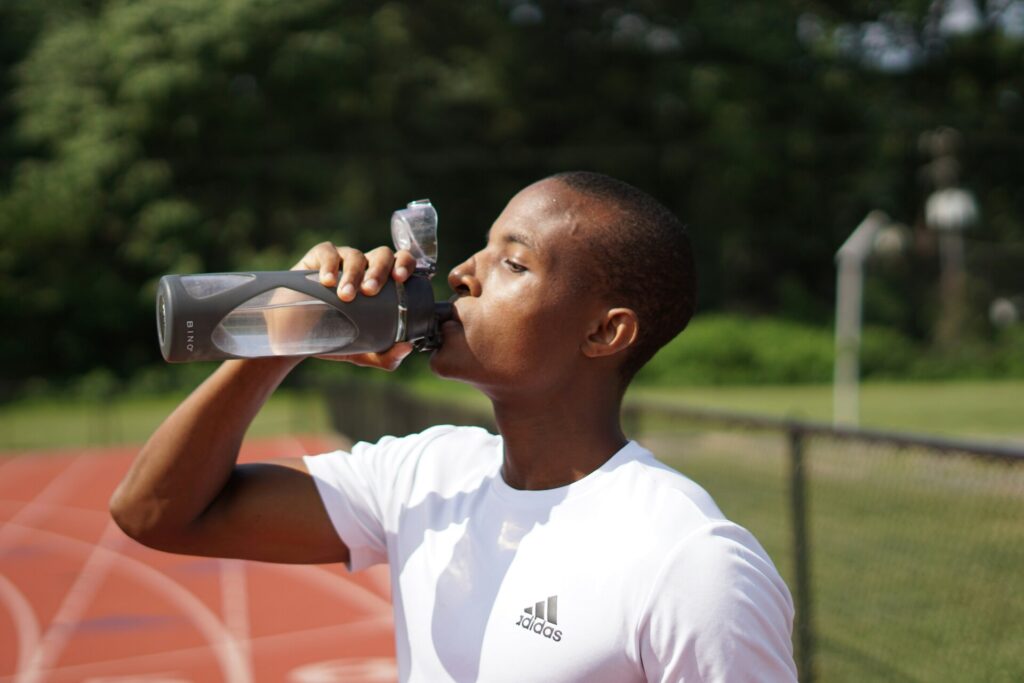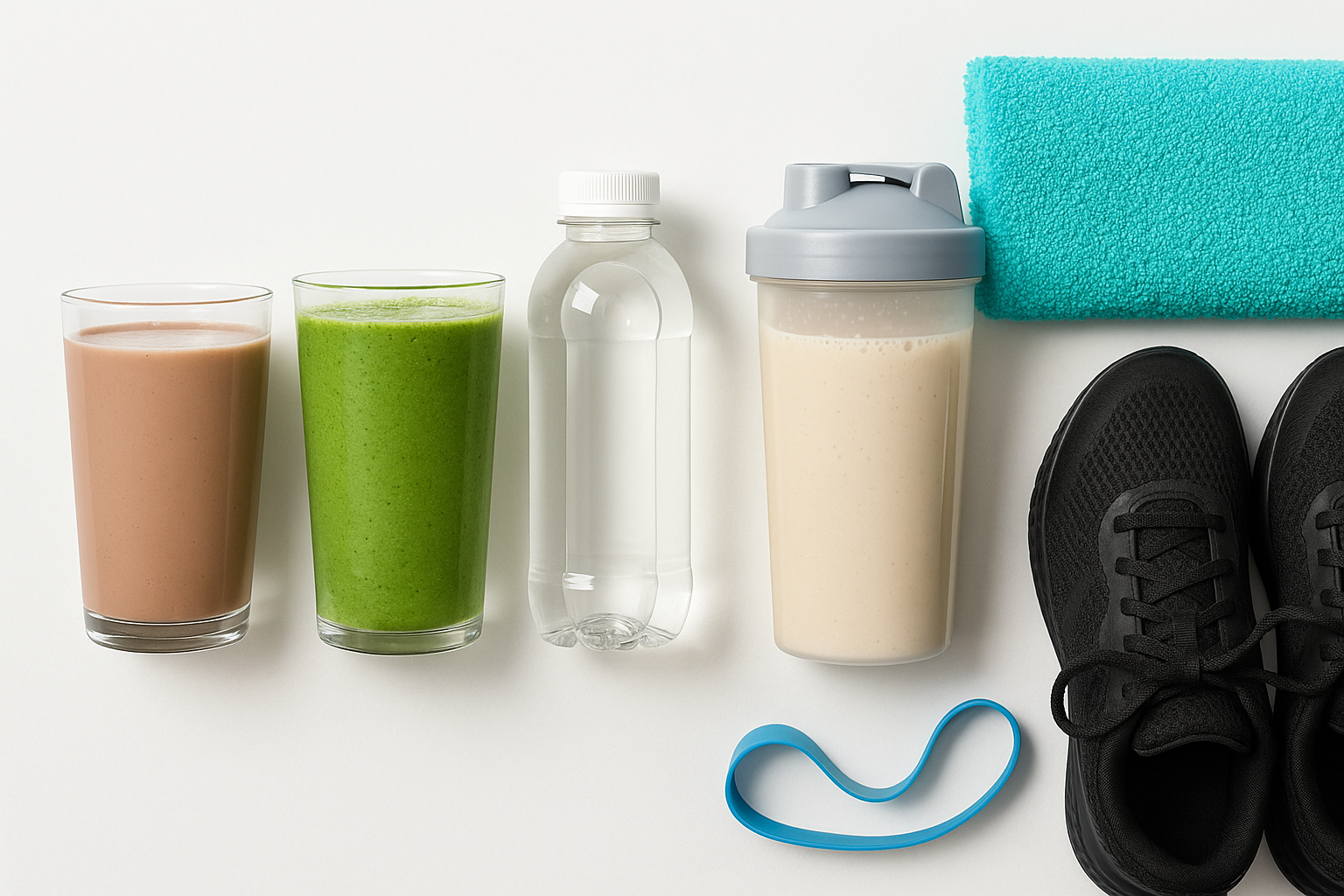
After one workout, I used to grab whatever drink was nearby and assume recovery would take care of itself. Over time, I realized that choosing the best post-workout drinks actually makes a noticeable difference in how fast your body recovers and how ready you feel for your next session.
Sometimes a simple protein shake helped. Other times, water alone left me sore, tired, or strangely dehydrated. That is when it became clear that not every post-workout drink works the same way for every type of training.
The best post-workout drinks can help reduce muscle soreness, restore hydration, and support faster recovery. But picking the wrong one can slow progress, especially after intense workouts, long sessions, or training in hot weather.
This guide breaks down the best post-workout drinks based on real recovery needs. Some options work better after strength training, while others are more suitable for cardio, fat loss, or quick recovery between workouts. Instead of guessing, this list helps you choose what to drink based on how you trained and what your body needs next.
Why Does Having the Best Post-Workout Drinks Matter?
Once your workout ends, your body immediately switches into recovery mode.
During exercise, we lose fluids through sweat, burn through stored energy, create small tears in muscle fibers, and disrupt our electrolyte balance. How well our bodies respond to these changes affects how quickly we recover and how prepared we feel for our next workout.
The right post-workout drink supports this process by helping us rehydrate more efficiently, replace lost electrolytes, assist muscle repair, and reduce lingering fatigue or soreness.
This is where hydration strategies become important. Many people assume water alone is enough, which often leads to common hydration mistakes such as ignoring electrolyte loss, underestimating how much they sweat, or only drinking when thirst kicks in. By the time you feel thirsty, recovery is already lagging behind.
Choosing the best post-workout drinks is less about drinking more, and more about matching your recovery needs to what your body actually went through during training.
What Are the Best Post-Workout Drinks for Faster Recovery?
The best post-workout drinks are the ones that match how you trained and what your body needs next.
Some drinks are best for rebuilding muscle after strength training. Others focus on hydration after sweaty cardio sessions. A few work better for reducing soreness or supporting recovery during high-volume training weeks.
Instead of ranking these drinks as one-size-fits-all, each option below is labeled based on what it does best. This makes it easier to choose the right recovery drink without guessing or overcomplicating nutrition.
If you are short on time, use this quick guide:
- With strength or resistance training, you have to prioritize post-workout drinks with protein and carbs.
- For long or sweaty workouts, focus on post-workout drinks that replenish fluids and electrolytes.
- For back-to-back or high-volume training, choose post-workout drinks that support muscle repair and help control inflammation.
- For weight loss or light sessions, opt for hydrating, low-calorie options.
The sections below explain when each post-workout drink works best, and when it may not be the right choice.
10 Best Post-Workout Drinks at a Glance
- Best Overall for Muscle Recovery: Protein Shake
- Best Budget-Friendly Option: Chocolate Milk
- Best for Hydration After Light Workouts: Coconut Water
- Best for Fasted or High-Frequency Training: BCAAs
- Best for Reducing Muscle Soreness: Tart Cherry Juice
- Best for Heavy Sweaters: Electrolyte Drinks
- Best for Micronutrient Support: Green Smoothies
- Best for Hot-Weather Cardio: Watermelon Juice
- Best for Evening Recovery: Herbal Teas
- Best DIY Option: Homemade Electrolyte Drink
How to Use This List of Post-Workout Drinks
If you are new to post-workout nutrition, start with the Best Overall option and adjust from there. As you gain more awareness of how your body responds to different workouts, you can rotate recovery drinks based on intensity, duration, and training goals.
Remember, the goal is not to drink more. It is to recover smarter.
1. Protein Shake (Whey or Plant-Based)
Best Overall Post-Workout Drink for Muscle Recovery
A protein shake is the best post-workout drink for muscle recovery because it delivers amino acids that repair muscle tissue and reduce soreness after training. Whey protein digests quickly and is ideal within 30 to 60 minutes after strength workouts, while plant-based protein blends work well for those avoiding dairy. Protein shakes are most effective after resistance or full-body training and can be paired with fruit or oats to add carbohydrates for faster recovery.
2. Chocolate Milk
Best Budget-Friendly Post-Workout Drink
Chocolate milk is an effective post-workout drink because it provides carbohydrates to refill glycogen stores and protein to support muscle repair in a convenient and affordable option. Its natural carb-to-protein ratio makes it suitable after moderate to intense workouts, especially for runners and endurance training. Chocolate milk works best for those who tolerate dairy but may not suit people with lactose intolerance or strict low-sugar goals.
3. Coconut Water
Best for Hydration After Light Workouts
Coconut water is a good post-workout drink for rehydration after light to moderate exercise because it contains potassium and natural electrolytes with relatively low calories. It helps restore fluids lost through sweat and works well after cardio, yoga, or hot-weather sessions. Coconut water is less effective on its own after intense training since it contains little protein and sodium.
4. BCAAs (Branched-Chain Amino Acids)
Best for Fasted or High-Frequency Training
BCAAs are useful post-workout when training fasted or on multiple consecutive days because they help reduce muscle breakdown and support recovery between sessions. They are directly absorbed by the muscles and can help limit fatigue during calorie-restricted phases. BCAAs do not replace protein and are best used as a supplement rather than a primary recovery drink.
5. Tart Cherry Juice
Best for Reducing Muscle Soreness
Tart cherry juice supports post-workout recovery by reducing inflammation and muscle soreness due to its high antioxidant content. It is commonly used during heavy training blocks or endurance preparation and may also support better sleep through natural melatonin. Tart cherry juice works best when soreness and recovery quality are the main concerns rather than hydration alone.
6. Electrolyte Drinks (Natural or Sports-Based)
Best for Heavy Sweaters
Electrolyte drinks are ideal post-workout for replacing sodium, potassium, and other minerals lost through heavy sweating. They help restore fluid balance, prevent cramps, and support muscle and nerve function after long or intense sessions. Low-sugar or natural electrolyte mixes are generally more effective than highly sweetened sports drinks.
7. Green Smoothies
Best for Micronutrient Support
Green smoothies are a nutrient-dense post-workout option that combines hydration, carbohydrates, fiber, and antioxidants to support overall recovery. They are useful when workouts are paired with poor vegetable intake or digestive issues. Adding protein powder improves their effectiveness after strength or full-body sessions.
8. Watermelon Juice
Best for Hot-Weather Cardio
Watermelon juice is a refreshing, natural recovery drink that supports hydration and circulation due to its high water content and natural L-citrulline. It can help reduce muscle soreness and works well after running, HIIT, or cardio workouts in warm conditions. Watermelon juice is best paired with protein if muscle recovery is a priority.
9. Herbal Teas (Ginger and Turmeric)
Best for Evening Recovery
Herbal teas such as ginger or turmeric are suitable post-workout drinks in the evening because they support inflammation control and relaxation without caffeine. They can help calm the nervous system, ease joint stiffness, and promote better sleep after late workouts. Herbal teas are most effective as recovery aids rather than as primary hydration sources.
10. Homemade Recovery Drink (DIY Electrolyte Mix)
Best DIY Post-Workout Drink
A homemade electrolyte drink is an effective post-workout hydration option because it replenishes fluids and minerals without artificial additives. Simple ingredients like water, lemon juice, salt, and a small amount of honey help replenish electrolytes naturally. This option works well for those who prefer clean, budget-friendly recovery drinks.
What to Avoid in Your Post-Workout Drinks
Before I paid attention to recovery, I assumed any drink after a workout was fine. Sometimes that meant grabbing a sugary sports drink. Other times it was coffee, or even a casual beer if the workout was done. The problem was not obvious right away, but recovery felt slower, soreness lasted longer, and energy dipped when it should have been rebuilding.
That experience made one thing clear. Not every post-workout drink supports recovery, and some choices actively work against it.
-
Excess added sugar
Many commercial sports and energy drinks contain large amounts of refined sugar. While carbohydrates are important for replenishing glycogen, too much sugar can lead to energy crashes, inflammation, and stalled fat loss. Recovery drinks should contain purposeful carbs, not sugar for flavor alone.
-
Caffeine overload
Caffeine can be useful earlier in the day, but large doses after training may increase dehydration, irritate digestion, and interfere with sleep. This matters most for afternoon or evening workouts, when sleep quality becomes a key part of recovery.
-
Artificial ingredients
Artificial sweeteners, colors, and preservatives can cause bloating or stomach discomfort for some people. Recovery is when the body is more sensitive, so clean, simple ingredients are usually better tolerated.
-
Alcohol
Alcohol disrupts muscle protein synthesis, increases fluid loss, and slows down the recovery process. Even small amounts can delay muscle repair if consumed regularly after workouts.
If a post-workout drink leaves you feeling wired, bloated, or unusually tired later, it is likely slowing recovery rather than supporting it. The best recovery drinks are simple, intentional, and aligned with what your body just went through.
How to Choose the Right Post-Workout Drink
For a long time, I treated post-workout drinks as an afterthought. If I felt tired, I reached for protein. If I felt sweaty, I drank water. Sometimes it worked, sometimes it did not. The inconsistency was the clue. Recovery felt better when the drink actually matched the workout.
That is the key idea here. The right post-workout drink depends on what your body just went through.
-
Workout intensity
High-intensity or strength-based workouts break down muscle tissue and deplete energy quickly. These sessions benefit most from drinks that combine protein with carbohydrates to support muscle repair and glycogen replenishment.
-
Workout duration
Short workouts may only require water or light hydration. Longer sessions, especially those lasting over 60 minutes, increase fluid and electrolyte loss. In those cases, hydration alone is often not enough.
-
Sweat loss and environment
Hot weather, humidity, or naturally heavy sweating increase sodium and mineral loss. Electrolyte-focused drinks are more effective in these situations than plain water.
-
Fitness goals
For muscle gain, prioritize protein-rich drinks with carbohydrates. For fat loss, focus on low-sugar hydration and lean protein. For endurance training, recovery drinks should emphasize glycogen restoration and electrolyte balance.
-
Dietary preferences and tolerance
Recovery only works if the drink agrees with your body. Dairy-free, plant-based, low-sugar, or homemade options can be just as effective when chosen intentionally.
The best post-workout drink is not the most popular one. It is the one that fits your workout, your environment, and your recovery goal. Once you start choosing drinks this way, recovery becomes more consistent, and training feels easier to sustain.
Final Takeaway
Recovery used to feel unpredictable for me. Some days I bounced back quickly, other days I felt sore and drained even after similar workouts. What changed was not training harder, but paying attention to what came after the workout.
The best post-workout drinks are not about trends or perfection. They are about responding to what your body actually needs after each session. Strength training, long cardio, hot-weather workouts, and recovery days all place different demands on your body, and your recovery drink should reflect that.
Once you stop treating post-workout nutrition as an afterthought and start matching it to your training, recovery becomes more consistent. Soreness fades faster, energy levels stabilize, and workouts feel easier to sustain week after week.
Use this guide as a reference, not a rulebook. Start simple, pay attention to how you feel, and adjust as your training evolves. Better recovery is not complicated, but it is intentional.
Frequently Asked Questions (FAQs)
Commonly asked questions about the best post-workout drink.