A budget home gym setup works best when you focus on what truly matters rather than how much equipment you own. With thoughtful planning and a few affordable fitness tools, even a small space can support effective and consistent workouts.
The reason this approach works is simple. Most fitness goals do not require large machines or expensive setups. Strength, cardio, and flexibility can all be trained using minimal equipment workouts that rely on smart movement choices instead of bulky gear. When space and budget are limited, versatility becomes more valuable than quantity.
For example, a single corner of a room can be enough for a yoga mat, adjustable dumbbells, and resistance bands. With just these items, you can perform full-body strength sessions, short cardio circuits, and mobility work without cluttering your home or overspending. This kind of setup is realistic, repeatable, and easy to maintain long term.
At its core, building a home gym on a budget is not about collecting equipment. It is about using your space intentionally and choosing tools that support habits you can sustain. In this article, you will learn practical strategies for organizing your home fitness space, selecting affordable tools, and designing workouts that work even in small areas.
What’s the Best Way to Set Up a Budget Home Gym?
If you want to set up a budget home gym, start by thinking long-term. Instead of filling your space with gear you may not use, focus on equipment that aligns with your goals and fits your environment. The smartest setups are built around purpose, not price tags.
The reason this matters is because a good home gym is not a replica of a commercial one. It is a personal space that supports the kind of workouts you actually enjoy. Whether you’re into strength, cardio, flexibility, or a mix of all three, your equipment should reflect that. If you prefer bodyweight or yoga-based routines, for instance, you can get started with far less than someone focused on heavy resistance training.
Let’s take a quick look at how to build your setup the smart way:
- Start with a clear vision. Identify the workouts you enjoy most. This prevents unnecessary spending and helps you build a setup that encourages consistency. Your preferences will shape what you need.
- Be resourceful with equipment. Choose gear that serves multiple purposes. Adjustable dumbbells, kettlebells, and resistance bands offer a wide range of training options without taking up too much space.
- Build in phases. You don’t need everything at once. Start small, then expand as your routine evolves. A yoga mat and bands are often enough to get going. Over time, you can add weights, a pull-up bar, or a bench if needed.
- Shop smart. Explore second-hand options like Facebook Marketplace or local buy-and-sell groups. You’ll often find quality equipment for a fraction of the price.
- Make the most of your space. Even a corner can be transformed into an efficient training zone. Use vertical storage, foldable equipment, and small-footprint tools to avoid clutter.
This approach gives you flexibility and control, which is one reason many people now compare their home vs. gym workout routines. A home gym allows for consistency, privacy, and convenience, especially when designed with intention.
In short, building a budget home gym is about choosing what works for you and giving yourself space to grow. It is not about collecting equipment. It is about building habits, smartly and sustainably.
How Do You Keep Your Home Gym Setup Organized and Functional?
An effective home gym isn’t just about equipment. It’s about creating a space that invites consistency. If your gear is always buried under clutter or spread across the house, you’re far less likely to stick with your routine.
The reason organization matters so much is because friction kills momentum. A tidy, well-structured space makes it easier to start, focus, and finish your workout without distractions. And in small areas, functionality depends entirely on how well everything is stored.
Here’s how to keep your home fitness space clean, organized, and easy to use:
- Set a dedicated workout zone. Claim a specific corner, wall, or area for your workouts. When you return to that space each time, it mentally signals that it’s time to move. This simple habit cue can boost consistency over time.
- Go vertical. Install wall hooks, pegboards, or floating shelves to hang resistance bands, yoga mats, jump ropes, or small weights. Freeing up floor space helps keep the area safe and open.
- Use multi-functional storage. Choose furniture that doubles as storage. Ottomans with compartments, baskets under benches, or even foldable benches you can tuck away after use are smart additions for compact homes.
- Clean and reset regularly. Wipe down your equipment, roll up your mats, and return everything to its place. The easier it is to grab what you need, the fewer excuses you’ll have to skip a session.
- Try rolling carts or stackable bins. These are great for storing items like foam rollers, towels, sliders, or smaller gear that doesn’t hang well. They keep everything accessible and easy to move out of sight when not in use.
To maximize efficiency, blend vertical and mobile storage solutions. A wall rack for quick-grab items, paired with a small cart or bin for extras, can make even the smallest space feel like a well-equipped gym.
By keeping things tidy, you protect your investment and create a space that supports your goals, not one that adds stress to your day.
What Affordable Fitness Tools Do You Really Need for a Small Space?
When building a home gym on a budget, the goal is to choose tools that take up little room but offer big benefits. The right gear should support your active lifestyle and clarity, help with progress, and promote injury prevention along the way.
Here are some of the most effective, space-friendly fitness tools worth including in your setup:
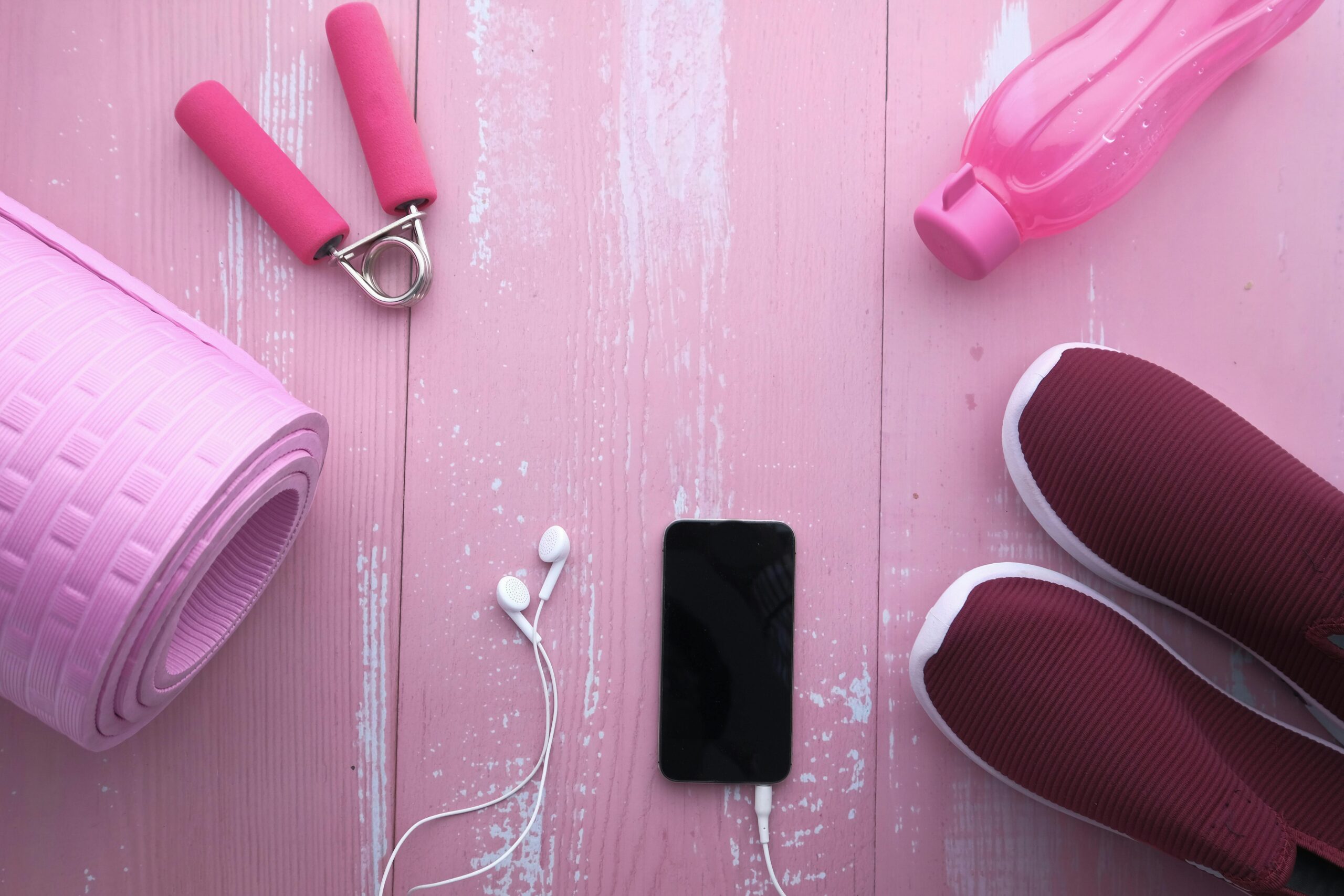
- Resistance bands. These compact tools are incredibly versatile. Use them for strength training, stretching, warm-ups, or rehab routines. They’re lightweight, portable, and come in various resistance levels, making them ideal for home or travel.
- Jump rope. One of the most affordable ways to get your heart rate up. Jump ropes are great for short, high-intensity cardio sessions, improving coordination, and burning calories fast, all within a small space.
- Adjustable dumbbells or kettlebells. Instead of buying multiple weights, opt for adjustable sets. They save space and money while allowing you to progress in strength training. Kettlebells are also great for combining strength and cardio in one move.
- Yoga mat. Essential for any home gym. It provides a non-slip surface for floor exercises, stretching, yoga, or mobility work. A quality mat also supports your joints during training and plays a big role in injury prevention.
- Pull-up bar (doorway or wall-mounted). These are perfect for upper body training and core exercises. Doorway bars are easy to install and remove, while wall-mounted versions are more stable if you have the space for it.
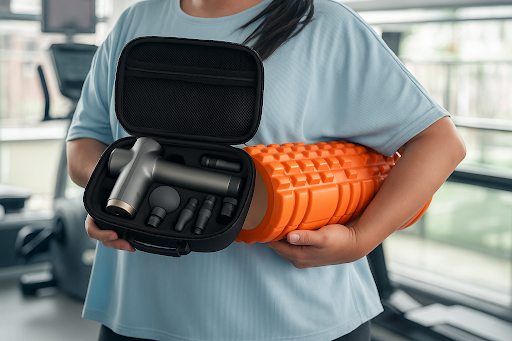
- Foam roller. An underrated but powerful recovery tool. Regular foam rolling for recovery improves mobility, eases post-workout soreness, and enhances flexibility. It also helps reduce tension in tight muscles and supports long-term joint health.
These essentials are not just affordable, but also efficient. They encourage movement, reduce barriers to consistency, and are perfect for minimalist setups where space is limited. More importantly, they help maintain a routine that supports both your body and your mindset.
What Workouts Are Most Effective with Minimal Equipment and Space?
You don’t need a fully stocked gym to build strength, improve endurance, or stay consistent. With the right exercises, even a small space and minimal gear can support a powerful and well-rounded routine.
The reason this works is because most effective workouts rely on movement quality and consistency—not machinery. By using compound movements and progressive training methods, you can make real progress with just your body weight or a few affordable tools.
Here are the best types of workouts for budget-friendly, space-saving home training:
- Bodyweight training. Push-ups, squats, lunges, planks, and burpees form the foundation of minimalist workouts. You can modify the intensity by adjusting reps, adding tempo (slower movements), or introducing holds and single-leg variations. These moves build total-body strength, balance, and mobility—without needing any equipment.
- Resistance band workouts. Resistance bands are highly effective for mimicking traditional strength exercises like rows, presses, curls, and squats. They’re also great for joint-friendly warm-ups and cool-downs. With multiple tension levels, you can continue challenging your muscles as you get stronger.
- Kettlebell routines. Kettlebells allow you to combine strength and cardio in a small footprint. Swings, goblet squats, presses, and Turkish get-ups can be performed in tight spaces while delivering a full-body burn.
- Jump rope drills. Perfect for cardio sessions that don’t need machines. With just a few feet of space, you can perform timed intervals, vary your jumps, and increase intensity for a quick and efficient workout.
- Circuit training. Build a time-efficient routine by combining 4 to 6 movements in a row. For example: squats, push-ups, rows, planks, and jump rope. Cycle through each move for 30 to 45 seconds, rest, then repeat. Circuits boost both strength and endurance in one go.
- High-Intensity Interval Training (HIIT). Using your own body weight, you can structure short bursts of work (like jumping jacks, high knees, or mountain climbers) followed by brief rests. HIIT is excellent for improving cardio fitness, torching calories, and keeping sessions under 30 minutes.
These workouts are easy to scale, time-efficient, and don’t require a dedicated gym room. Whether you’re in a studio apartment or a shared space, you can build a solid fitness routine with minimal equipment and still make meaningful progress.
What Should You Avoid When Building a Budget Home Gym Setup?
Setting up a budget home gym is a smart move, but a few common missteps can cost you time, money, and motivation. Avoiding these mistakes will help keep your fitness journey simple, sustainable, and stress-free.
Avoid buying the cheapest gear just to save money.
While budget is important, extremely low-cost equipment often sacrifices durability and safety. A flimsy resistance band that snaps mid-workout or a wobbly pull-up bar can lead to more trouble than it’s worth. Instead, aim for affordable options that are well-reviewed and built to last—even if they cost a little more upfront.
Don’t skip measuring your space.
A great deal on a weight bench or squat rack won’t mean much if it barely fits in your room or blocks your movement. Always consider how much space the equipment takes up and how much room you’ll need to use it comfortably.
Let your fitness goals guide your purchases.
It’s easy to get tempted by trendy equipment, but if it doesn’t align with your goals, it’ll likely collect dust. For example, if you’re focused on flexibility and mobility, a full weight rack may not be necessary. If strength is your focus, prioritise resistance gear over cardio machines.
Protect your floors from day one.
This is often overlooked until it’s too late. Dropped weights or repeated impact from high-intensity moves can damage floors and joints. Simple solutions like interlocking foam mats or rubber flooring are inexpensive, easy to install, and essential for long-term use.
Don’t overbuy or impulse shop.
Ask yourself: will I really use this regularly? It’s better to start with a few essentials you know you’ll use than to clutter your space with gear that only looks good in theory. Build your setup gradually based on real usage, not wishful thinking.
By keeping your setup realistic, goal-focused, and intentionally minimal, you’ll avoid the frustration of unused gear and create a home gym that works for you, not against you.
Conclusion: Why a Budget Home Gym Setup Works
You don’t need a high-end setup or a dedicated room to make fitness part of your daily life. A well-planned home gym is built with affordable and multipurpose tools, which can be just as effective as any commercial space.
What makes it work is intention. When your space is clean, your tools are useful, and your routine matches your lifestyle, working out becomes easier to stick with. You avoid common setbacks like clutter, overspending, or unused equipment. Instead, you build momentum with what you have, right where you are.
Whether you’re training for strength, cardio, flexibility, or general wellness, your home gym can support it all. It’s proof that consistency matters more than equipment and that progress starts with showing up, not spending more.
Frequently Asked Questions (FAQs)
Commonly asked questions about how to create a home gym setup.