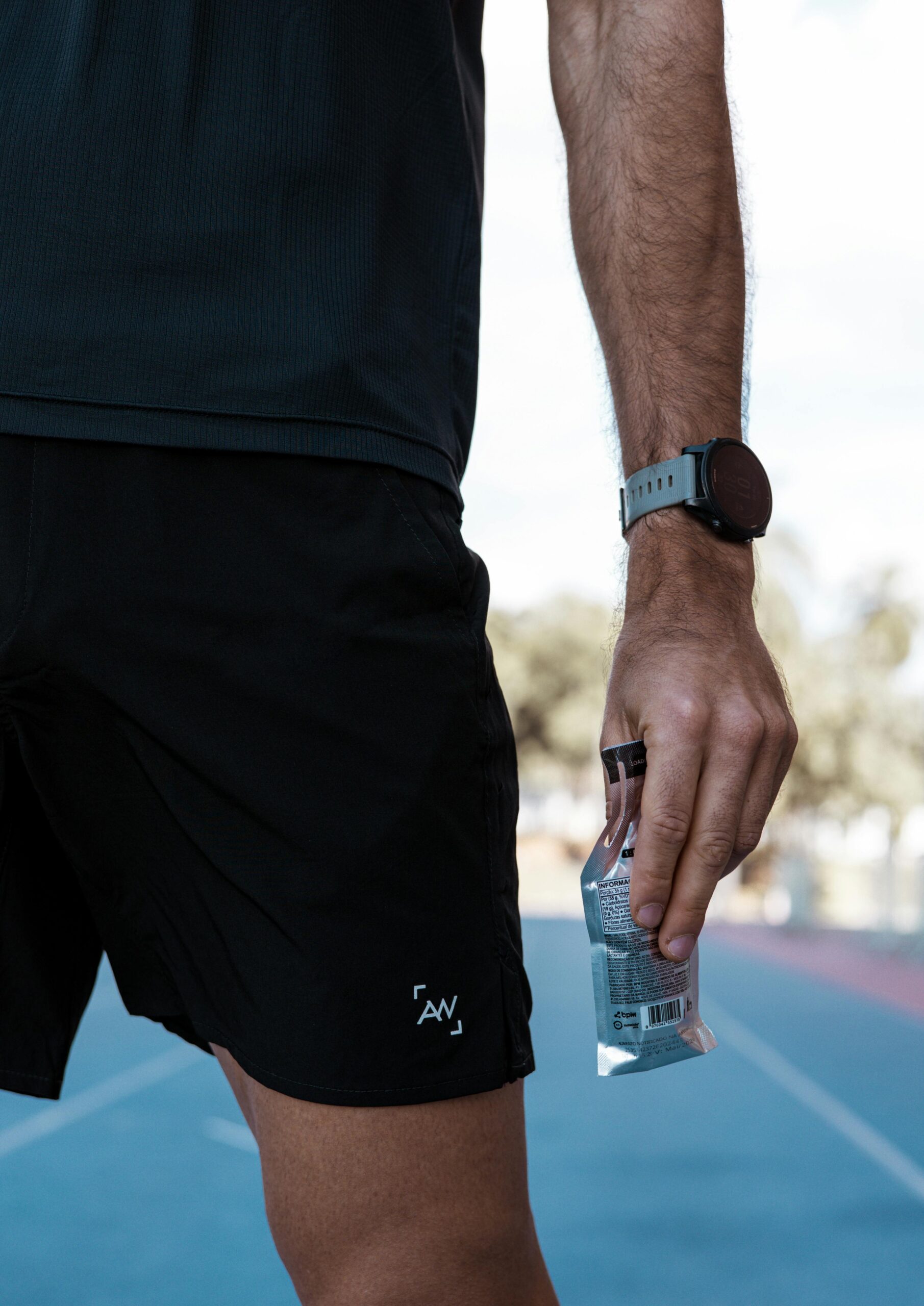
The best energy gels for runners are not just quick sugar packets. They help you keep your pace steady, maintain focus, and push through the tough kilometers when fatigue begins to set in. Long runs and races can quickly drain your glycogen stores, and once your energy drops too low, your performance follows. Energy gels provide a fast, portable source of carbohydrates that can be absorbed quickly, helping you stay strong throughout your run.
I learned this through experience. During one of my early half-marathon training cycles, I went into a long run feeling confident. I had slept well, hydrated, and followed my plan. But at around kilometer 14, everything felt heavy. My legs slowed down, my stride broke apart, and it felt like my body had nothing left to give. The following week, I tried taking an energy gel before that exact point in the run. The difference was noticeable. I felt steadier, more mentally focused, and I finished with control instead of fading.
That is why choosing the right gel matters. If you are curious which ones actually help in real runs and which ones do not live up to the hype, this guide shares the best energy gels for runners based on real training sessions, long runs, and race day experience, with practical insights you can apply to your own running routine.
What Energy Gels Actually Do (and When You Need Them)
Energy gels are designed to deliver fast-absorbing carbohydrates to your body when it needs them most. During runs longer than about 60 minutes, your muscles begin to deplete their glycogen stores, which can lead to fatigue, slower pacing, and poor mental focus. A well-timed gel gives your body the fuel it needs to sustain effort, especially as the distance starts to wear you down.
The reason they work so well for runners is simple. Carbohydrates are your body’s preferred energy source during moderate to high-intensity activity. Energy gels typically contain a concentrated mix of sugars, such as maltodextrin, glucose, and sometimes fructose, that are absorbed quickly into your bloodstream. Some include added sodium to replace lost electrolytes or caffeine for a mental and physical lift during tough stretches.
For shorter runs under an hour, most runners will not need a gel unless training fasted or at very high intensity. But once you go beyond that mark, especially in warm weather or hilly terrain, fueling becomes essential. A single gel can help you avoid that sudden crash, often called “hitting the wall.”
In my experience, the right gel at the right time has saved more than a few long runs. It is not just about energy, either. It is about rhythm. When you fuel properly, you can hold pace, make better decisions late in the run, and finish with control rather than in survival mode.
How to Choose the Best Energy Gel for Your Runs
Not every energy gel will work for every runner. Some are thicker, some go down easier with water, and others might upset your stomach if taken too fast or too often. Choosing the right gel is about finding what fits your body, your pace, and the type of run you’re doing.
Start by looking at the carb content. Most gels contain between 20 to 25 grams of carbohydrates, which is enough to give your muscles a usable boost during a long effort. If you’re doing interval training, marathon prep, or back-to-back long runs, go for gels with a dual-source carb blend like glucose and fructose. These are absorbed through different pathways in the gut and help you take in more energy per hour.
Electrolytes are another factor. If you’re sweating heavily or training in hot, humid conditions, gels with sodium and potassium can help keep your muscles firing properly. These pair well with smart hydration strategies, especially if you’re not using a sports drink. Some gels work best with plain water to avoid overwhelming your stomach or creating a sugar overload, so it helps to plan your gel intake around water stops or bring your own handheld bottle.
Caffeine is optional, but useful. A small dose mid-run can sharpen your focus and take the edge off fatigue. I’ve found that caffeine gels work best for me around the halfway point of a long run or during the final stretch of a race. Just be sure to test these in training if you’re sensitive to stimulants.
Taste and texture matter more than people think. You’re not going to use a gel consistently if it feels like a sticky paste or makes you gag halfway through a run. Some gels are syrupy and sweet, others are thinner and fruit-based. Try different textures on your training runs to see what sits best.
It might take a few tries to find the right match, but once you do, it becomes part of your routine. A good gel, paired with solid hydration strategies and pacing, can make those tough kilometers feel a little more manageable.
6 Best Energy Gels I’ve Tried (And When to Use Them)
I’ve tested a lot of energy gels over the years, from early morning long runs to race day half-marathons to trail sessions where the terrain alone felt like a workout. Some gels gave me the steady energy I needed to keep going. Others left my stomach in knots or made me regret not checking the texture beforehand. Below are the ones that have earned a spot in my running belt, along with when I use each one.
1. Maurten Gel 100
Best for: Sensitive stomachs and race day pacing
Maurten’s hydrogel formula is different from most. It feels more like a soft jelly than a syrup and goes down without the sticky aftertaste. I usually reach for this one during races or long tempo efforts where I can’t afford gut issues. It is also one of the few gels that genuinely feels neutral in taste, which I appreciate when I’m already deep into the miles.
This is the Maurten Gel 100.
2. GU Energy Gel
Best for: Variety of flavors and mid-run caffeine
This one is a classic for a reason. GU comes in tons of flavors, including some with caffeine and some without. I like the Salted Caramel or Espresso Love during long training runs. It is a bit thicker, so I always take it with water. If you are building your fueling routine, GU is a reliable place to start.
This is the GU Energy Gel.
3. SIS GO Isotonic Gel
Best for: Easy intake with no water required
SIS gels are ideal for runs where I don’t want to carry a bottle. They’re thinner and designed to be taken without water, which makes them perfect for hot days or when hydration stops are limited. The lemon and tropical flavors are light and go down quickly without making me feel overly full.
This is the SIS GO Isotonic Gel.
4. Huma Chia Energy Gel
Best for: Whole-food ingredients and slower long runs
These gels are made with real fruit and chia seeds, so they feel closer to actual food than pure sugar shots. I like them on trail runs or long base-building sessions where intensity is lower, but fueling is still important. They do take a bit more time to digest, so I use them earlier in the run.
This is the Huma Chia Energy Gel.
5. Clif Shot Energy Gel
Best for: Budget-friendly fueling with strong caffeine options
Clif’s gels are thicker, similar to GU, but they come in at a slightly better price point if you’re stocking up for marathon prep. Some flavors have up to 100mg of caffeine, which can be a lot, so I save them for when I really need a boost near the end of a long effort.
This is the Clif Shot Energy Gel.
6. Honey Stinger Organic Gel
Best for: Natural sweetness and mild flavour
Made from organic honey, these gels have a smoother texture and a lighter taste. They’re gentle on my stomach and good for early morning runs when I haven’t eaten much. I find they pair well with small sips of water and do not leave a weird aftertaste.
Each of these gels has earned its place by solving a specific problem during training. Whether it’s about easy digestion, a much-needed caffeine kick, or a texture that won’t throw you off mid-stride, finding the right gel means you are more likely to stick with your fueling plan and finish stronger.
This is the Honey Stinger Organic Gel.
When and How to Take Energy Gels During a Run
Timing matters as much as the gel itself. If you wait until you’re already tired or lightheaded, it’s often too late. The goal is to stay ahead of the crash, not react to it after your body has hit a wall.
For most runs longer than 60 minutes, I take my first gel between the 40 to 50-minute mark. This gives my body a steady stream of carbs before energy dips too low. After that, I usually take one every 30 to 45 minutes, depending on how I’m feeling and the intensity of the run. On race day, I set reminders on my watch so I don’t miss a fueling window, especially when things get busy at water stations.
Water is a big part of this. Unless you’re using an isotonic gel like SIS, always take your gel with a few sips of water. It helps with absorption and keeps your stomach from getting upset. I’ve made the mistake of taking a gel without water in the middle of a hot tempo session, and it sat in my gut like a rock.
Another thing I’ve learned is to match my gel timing with the course. If I know a big hill or a fast stretch is coming up, I’ll take a gel about 10 to 15 minutes before I hit that point. That way, the carbs are in my system when I need them most.
For early morning runs, I sometimes take half a gel before heading out, especially if I haven’t eaten yet. It’s a slight boost to get going without feeling too full.
Fueling is personal. It takes a few tries to get it right, but once you dial it in, it becomes second nature, just like lacing up your shoes or starting your watch.
Common Energy Gel Mistakes to Avoid
Using energy gels seems simple enough: open, squeeze, swallow, repeat. But there are a few mistakes I’ve made (and seen others make) that can really mess with your run if you’re not careful.
- Taking gels too late.
Waiting until you’re already fatigued defeats the purpose. Energy gels are most effective when taken before your glycogen stores run low. If you’re pushing through that “dead legs” feeling and then reaching for a gel, the energy boost won’t come fast enough to save your pace.
- Skipping water.
Most gels are concentrated and need water to be absorbed properly. Taking one without water can lead to stomach cramps, bloating, or that awful sticky feeling in your mouth. I learned this lesson the hard way during a hot run where I had gels but no water nearby, and paid for it with nausea the rest of the day.
- Overfueling.
It’s tempting to think more fuel equals more energy, but too many gels too quickly can upset your gut. I try to stick with one gel every 30 to 45 minutes max, and I avoid mixing too many different types in a single run.
- Ignoring texture and taste.
This might sound small, but if you can’t stand the taste or texture of a gel, you’re less likely to take it when you actually need it. That hesitation can throw off your fueling schedule. Always test flavors and consistency in training, never for the first time during a race.
- Not pairing with hydration strategies.
Gels are just one part of your nutrition plan. They work best when combined with proper water intake and electrolyte balance. One of the most common hydration mistakes I see is relying on gels alone and forgetting that your body also needs fluids to absorb those carbs and regulate temperature. A good gel won’t help much if you’re already dehydrated.
These are simple things, but they can have a significant impact on how your body responds during a long effort. Getting the basics right with fueling and hydration can help you feel more consistent, confident, and strong from start to finish.
Final Thoughts on Choosing the Best Energy Gel for Running
Energy gels are one of the simplest tools available to help you stay fuelled and focused during long runs. Whether you are training for your first half marathon or chasing a new personal best, understanding how they work can help you run smarter, not just harder.
Start small, test what works for you, and remember that gels are most effective when paired with smart pacing, hydration, and recovery. Once you find a system that fits, fuelling becomes just another part of the rhythm of your run. Just remember that energy gels are only part of the equation. Supporting your performance with hydration, pacing, and proper post-workout recovery drinks or a light post-workout snack can help you recover stronger and keep your training on track.
Frequently Asked Questions (FAQs)
Commonly asked questions about the best energy gels for running.