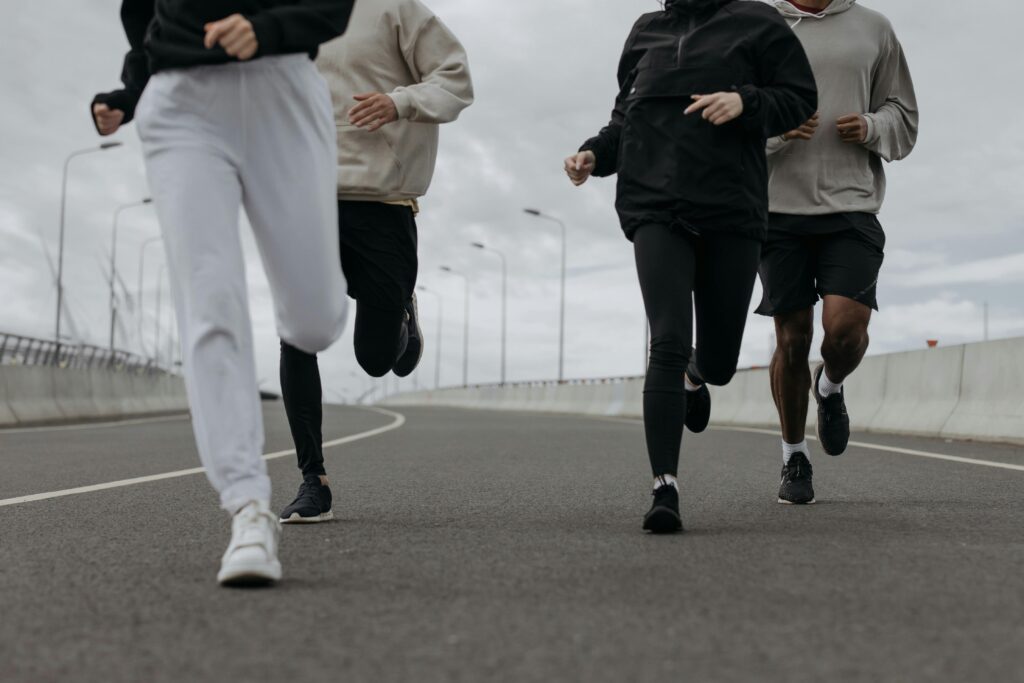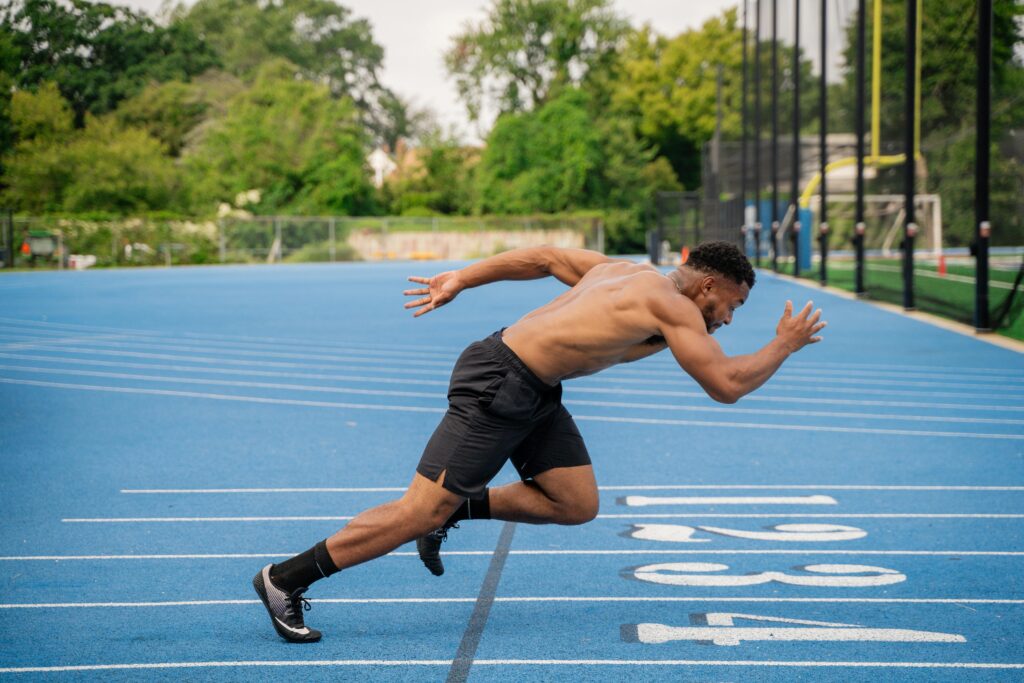
Feeling nauseous after a workout is more common than you might think, but it is usually preventable. Nausea is an uncomfortable reaction that happens when your body is pushed harder than it is ready for, especially without the right fuel or hydration.
During exercise, your body naturally diverts blood flow away from digestion to support your heart, lungs, and muscles. When combined with poor meal timing, dehydration, or a sudden spike in workout intensity, this shift can leave you feeling dizzy, sick, or even on the verge of vomiting.
For example, eating a heavy meal right before a high-intensity workout can overwhelm your stomach, while skipping meals can cause your blood sugar to crash. Both scenarios can lead to nausea.
The good news is this: post-workout nausea is not a sign of failure. It is your body’s signal that something needs adjusting. By understanding what causes it, you can take simple steps to prevent it and train with more confidence and comfort.
Why Am I Feeling Nauseous After a Workout?
Nausea during or after a workout usually means your body is working harder than it can comfortably handle. This happens when the physical demands of exercise outpace your current energy, hydration, or digestion levels.
When you exercise, your body redirects blood away from the stomach to power your heart, lungs, and muscles. If you’ve just eaten, digestion slows down, which can lead to bloating and discomfort. Add in high effort, and it becomes a perfect storm for nausea, dizziness, or even vomiting.
Several factors often combine to trigger this response:
- Dehydration, which lowers blood volume and affects circulation
- Electrolyte imbalance, especially after intense sweating
- Shallow breathing, which disrupts oxygen delivery and raises stress
For example, pushing through a HIIT workout after a heavy meal and little water intake can leave you feeling lightheaded or sick.
The takeaway: workout nausea is your body’s feedback loop. By identifying what triggered it, it could be hydration, food timing, or breathing, you can make small changes that lead to big improvements in how you feel during and after training.
What Are the Most Common Causes of Nausea After a Workout?
Feeling sick after a workout rarely comes from just one thing. Most of the time, it results from multiple stressors acting on your body at once, especially if you’re pushing through intense training without proper preparation.
When you exercise, your body simultaneously manages hydration, blood sugar levels, digestion, and temperature regulation. If any of these systems are out of balance, the risk of nausea increases. For example, skipping a meal, working out in the heat, and pushing too hard at once can easily lead to exercise-induced vomiting.
Here’s a closer look at the most common triggers of workout-related nausea:
Dehydration
When you’re low on fluids, your blood volume drops. This makes it harder for your body to circulate oxygen and cool down. The risk is even higher in hot, humid weather or when you sweat heavily. Drinking water regularly throughout the day, not just during workouts, is key.
Eating too close to exercise
A large or heavy meal can delay digestion and cause nausea during training. Aim to finish eating at least two to three hours before a workout.
High-impact movements
Activities like jumping or sprinting can jostle your stomach, especially if it is full. If this is a common problem for you, try switching to low-impact exercises like walking. The benefits of walking include improved circulation and digestion without the intensity that often triggers nausea.
Low blood sugar
Exercising without eating can cause your blood sugar to crash. This leads to fatigue, dizziness, and feeling sick. Your body needs accessible fuel, especially for longer or more intense sessions.
Overexertion
Doing too much too fast can overwhelm your system. Long cardio sessions or high-intensity intervals can cause nausea, especially if your body isn’t conditioned for them.
Heat exposure
Your body generates heat as you move. When it is already hot outside, this puts extra strain on your cooling system if you are prone to overheating. Schedule workouts during cooler parts of the day or move indoors.
Nausea after a workout is rarely random. Once you know what is behind it, you can start adjusting your training routine, hydration, and nutrition to reduce the chances of it happening again.
How Does Exercise Intensity Trigger Nausea After Workout?
High workout intensity is one of the biggest triggers of nausea during and after exercise. This often happens when your body is not yet conditioned to handle the workload, especially if the session ramps up too fast without proper progression.
As intensity increases, your body prioritises blood flow to the muscles and away from digestion. Stress hormones also spike, which can contribute to dizziness, discomfort, or a strong urge to vomit. This is why tough workouts like sprint intervals, HIIT circuits, or heavy leg days often bring on that sick feeling.
For example, jumping into a full-speed HIIT session after a period of rest or light training can overwhelm your system. Without time to adjust, your body shifts into stress mode instead of performance mode.
Common warning signs include:
- Feeling faint or suddenly lightheaded
- Cramping or pressure in your stomach
- Cold sweat or clammy skin
- Nausea is building up or rising quickly
Lowering the intensity does not mean you are holding back. It means you are training with awareness and giving your body time to adapt. When you ease into high-effort workouts gradually, you reduce the chance of nausea while building endurance and strength more safely over time.
How Can You Prevent Nausea After Workout?
Preventing nausea after a workout often comes down to what you do beforehand. Preparing your body with the right hydration, nutrition, and pacing can make the difference between powering through a session or feeling sick halfway through.
When your body is well-fueled and properly hydrated, it is more equipped to handle physical stress. For example, drinking water throughout the day and having a light carb-based snack about 60 to 90 minutes before training helps regulate digestion and keeps your blood sugar steady.
Skipping this preparation or rushing into a workout without eating or hydrating can quickly lead to nausea, dizziness, or poor performance.
A few simple routines can go a long way. When you create habits that support your energy and digestion before exercising, your workouts will feel stronger and more stable, and you will be far less likely to feel unwell afterward.
Pre-Workout Prevention Tips
Creating a simple pre-workout plan can help you avoid nausea, lightheadedness, or discomfort during training. Keep these practical habits in mind to support your body before you start moving:
- Time your meals properly
Try to avoid eating right before you exercise. Give your body 30 to 60 minutes to digest a snack or 1 to 2 hours for a small meal. This helps prevent food from sitting in your stomach while you train.
- Choose easy-to-digest foods
Skip meals that are high in fat, fibre, or heavy protein before your workout. Instead, go for something light and carb-based with a little lean protein. This fuels your muscles without upsetting digestion.
- Hydrate consistently, not just during workouts
Drink water throughout the day so your body is already well-hydrated before you begin. Avoid chugging large amounts of fluid right before training, as this can also cause discomfort.
- Be mindful of medication timing
If you are taking medications that list nausea as a side effect, try scheduling your workout several hours after taking them. For example, some antidepressants may cause mild queasiness if you train too soon after.
- Always warm up and cool down
Spending just 5 to 10 minutes warming up and cooling down helps your body transition in and out of exercise mode. This improves circulation, reduces stress, and helps prevent nausea or dizziness.
- Increase intensity gradually
If you are new to fitness or returning after a break, start with basic movements. Gradually build up your training level to give your system time to adapt and avoid overwhelming it too quickly.
- Listen to the weather and your body
On hot days, consider moving your workout indoors or exercising during cooler hours. Overheating is a common trigger for nausea, and small environmental adjustments can make a big difference.
If you still experience nausea regularly even after following these tips, it may be time to check in with a healthcare provider to rule out underlying causes.
What Should You Eat and Drink to Avoid Nausea After Workout?
What you eat and drink has a direct impact on how your body handles exercise. The right fuel can keep you energised and nausea-free, while the wrong choices often lead to bloating, discomfort, or sickness after training.
Your digestive system slows down during workouts. This means heavy meals or hard-to-digest foods may linger in your stomach, increasing the chance of nausea. Choosing the right pre-workout food and hydration approach is one of the smartest ways to prevent this.
For example, eating fried or greasy food before a session can lead to stomach cramps or sluggishness, especially when paired with poor hydration. On the other hand, combining light meals with proper hydration strategies can help you feel steady throughout your workout.
Smart Pre-Workout Food Choices
These options provide energy without overwhelming your stomach:
- Banana: A quick, digestible source of carbohydrates
- Porridge: Sustains energy when eaten 60 to 90 minutes before training
- Bread with honey: Offers fast-burning carbs in a gentle format
- Yogurt: Combines protein and carbs without feeling too heavy
- Light smoothies: Choose simple blends with minimal fat and fibre
What you eat after your workout also matters. Balanced post-workout snacks support digestion, refuel glycogen, and prevent delayed nausea. A banana with peanut butter, a fruit and yogurt bowl, or a small protein wrap are all good options.
Hydration Strategies to Prevent Nausea
Staying hydrated is just as important as eating. But it is easy to fall into common hydration mistakes, such as drinking only during workouts or overloading on fluid right before starting.
Here is how to hydrate more effectively:
- Drink water consistently throughout the day, not just during exercise
- Add electrolytes during long or intense workouts, especially in hot weather
- Avoid high caffeine or sugary energy drinks that can upset your stomach
- After training, post-workout recovery drinks with electrolytes or light carbohydrates can support rehydration and help your body stabilise faster.
Putting these hydration strategies into practice will make a big difference in your comfort and energy. When you fuel your body with intention, nausea becomes less of a threat, and your workouts feel smoother.
How Can You Adjust Your Workout to Reduce Nausea After Workout?
Reducing nausea after a workout often comes down to how your sessions are structured. It is not always about training harder. Small adjustments to pacing, intensity, and rest can have a big impact on how you feel.
When workouts are too intense or stacked without recovery, your body has a harder time managing stress. For example, doing high-intensity training five days a week without lighter sessions in between can overwhelm your system and lead to workout sickness.
One of the best ways to avoid this is to build variety into your routine. Alternating between strength, cardio, and recovery days helps your body adapt without feeling overloaded. This kind of structure allows you to train consistently while avoiding nausea.
Workout Adjustments That Make a Difference
- Start slower and increase intensity gradually. If you are restarting a fitness routine or increasing your training level, ease into it. Your body needs time to build tolerance without getting overwhelmed.
- Take longer rest periods when needed. A little extra rest between sets or intervals gives your heart rate and breathing time to stabilise. This prevents dizziness and supports recovery during your session.
- Practise deep breathing techniques. Learning how to control your breath helps maintain oxygen flow. Try slow, deep breathing before, during, and after exercise to reduce lightheadedness and nausea.
- Avoid working out in extreme heat. Heat adds another layer of stress on your body. If the weather is hot or humid, train during cooler hours or move your workout indoors.
- Always include a cool-down. A 5 to 10-minute cooldown brings your body back to its resting state. This helps blood circulate properly and prevents that sudden drop that can lead to nausea.
Making these small but meaningful changes will help you feel stronger during your sessions and reduce the risk of nausea. Training smart is not about doing less. It is about making every session work better for your body.
When Is Nausea After a Workout a Sign of Something More Serious?
Most of the time, nausea after a workout is manageable and goes away with rest, food, or hydration. But there are times when it points to something more serious.
Knowing when to slow down, stop altogether, or seek medical advice is essential. Ignoring warning signs can put your health at risk, especially if the nausea comes with other symptoms.
For example, if you feel lightheaded after a workout and also have chest discomfort or trouble breathing, this may signal a heart-related issue rather than simple workout fatigue.
Here are signs that your body needs more than just water or rest:
Stop exercising and contact a doctor if you experience any of the following:
- Vomiting blood or noticing blood in your stool (rectal bleeding)
- Black, tarry, or unusual bowel movements
- Severe or persistent stomach pain
- Chest pain or pressure that does not go away
- Fainting or feeling close to fainting
- Nausea that lasts for several hours after your workout
These symptoms may indicate more than just a hydration issue or temporary overexertion. They can signal problems that require medical evaluation.
Occasional mild nausea, especially after high-effort training or fasted cardio, is not unusual. But if the feeling is intense, keeps coming back, or is paired with other red flags, your safest move is to stop and speak to a healthcare provider. Listening to your body can protect your long-term health far more than pushing through a dangerous session.
What Helps Your Body Recover After Nausea After Workout?
Feeling nauseous after a workout is uncomfortable, but recovery plays a key role in how quickly your body returns to balance. Instead of pushing through or brushing it off, the right recovery steps can help ease symptoms and prevent repeat episodes.
Nausea from exercise often affects both your digestive and nervous systems. This means your body may need more time and care than usual to bounce back. Trying to lie down immediately or skipping rehydration can worsen symptoms.
A better approach is to:
- Sit upright or walk slowly to support blood flow
- Take steady, deep breaths to calm your system
- Sip small amounts of water or an electrolyte drink to rehydrate gradually
For example, if you finish a tough workout and feel shaky or queasy, skipping recovery and heading straight to the shower could delay relief. But taking five minutes to cool down, breathe, and hydrate makes a big difference.
Be kind to your body. Recovery is not a sign of weakness. It is part of the training process. By responding with patience and care, you reduce the chances of nausea returning and prepare yourself for future workouts that feel better, last longer, and support your goals.
Final Thoughts
Nausea after a workout is not something you have to tolerate. In most cases, it is caused by manageable factors like dehydration, poor meal timing, overtraining, or jumping into high-intensity routines too soon.
Understanding these causes puts you back in control. For example, using simple hydration strategies, choosing lighter meals before exercise, and pacing your progress can all make a big difference in how your body responds.
Feeling sick after training is your body’s way of telling you it needs a different approach. It is not a failure. It is feedback.
When you start listening to those signals, your workouts become more sustainable. You will recover faster, feel stronger, and build a routine that supports both performance and long-term health.
Frequently Asked Questions
Commonly asked questions about nausea after a workout.