You can start running with nothing but a pair of shoes, but once your distances get longer or your pace gets faster, your body needs more than just water to keep going. That’s when energy gels for running come in handy.
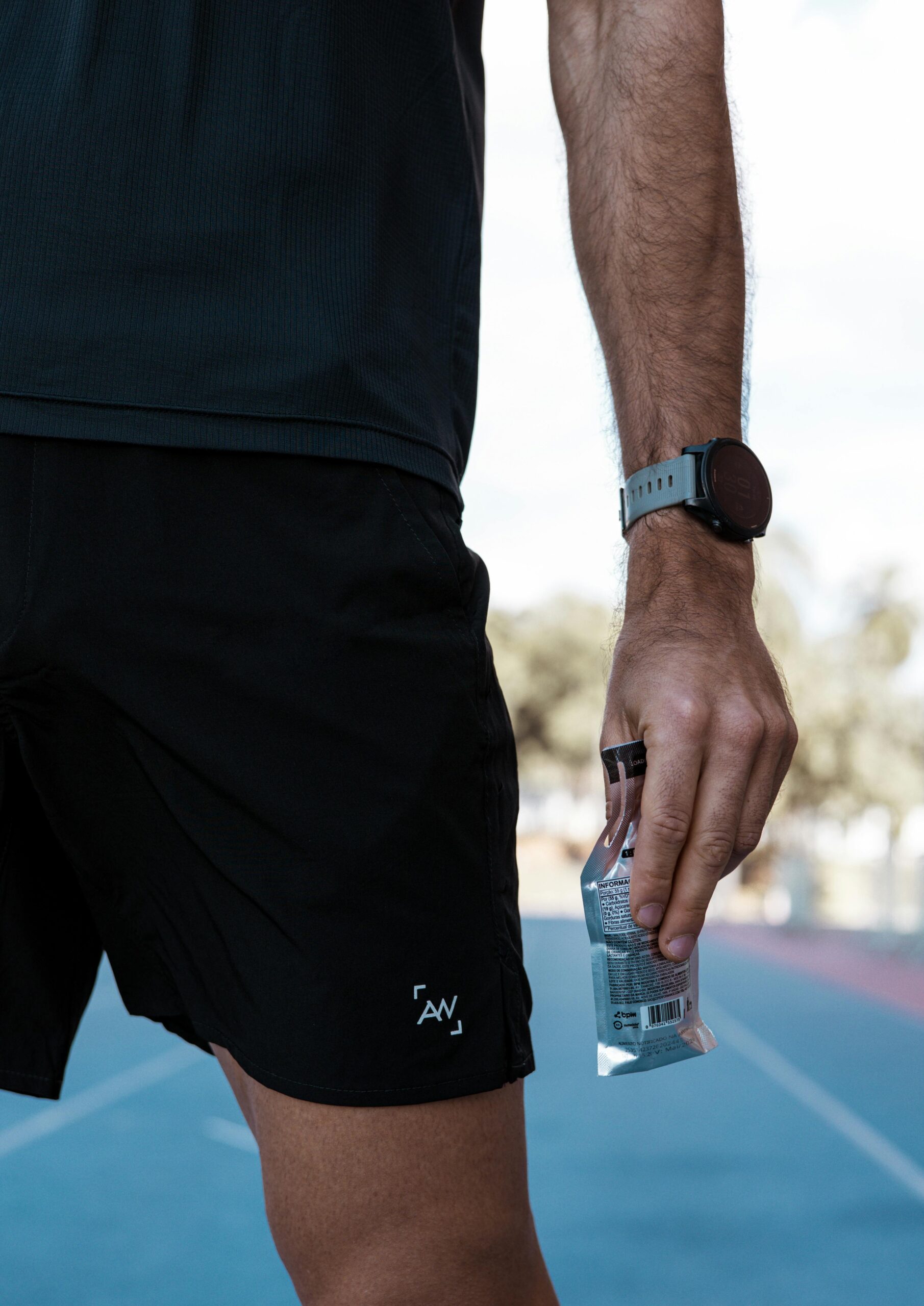
These pocket-sized packs help keep your legs moving as your energy dips. They provide fast carbohydrates that your muscles can use mid-run, without the need to stop or slow down. I remember trying my first one during a long run and being surprised by how quickly it lifted my energy.
In this guide, you’ll learn how energy gels work, when to take them, and how to avoid common hydration mistakes that often catch beginners off guard. Whether you’re gearing up for your first 10K or building a smarter long-distance routine, this guide breaks it down in a simple, practical way.
What Energy Gels Are and How They Work
Energy gels for running are compact packets filled with fast-absorbing carbohydrates. They’re designed for moments when your body’s usual fuel tank starts running low. During long runs, your muscles burn through glycogen, which usually lasts around 60 to 90 minutes. After that, fatigue sets in, and it becomes harder to hold your pace or finish strong.
That’s when a gel steps in. It gives your body a quick carbohydrate boost, helping you power through the final stretch without dragging your feet. Think of it as a top-up when your energy starts to fade, but the run isn’t over yet.
Why Are Energy Gels Effective for Running
Energy gels work well because they are easy to digest and quickly absorbed. Unlike solid snacks, gels come in a smooth, semi-liquid form that your stomach processes quickly, especially during intense activity. This means the energy kicks in faster, without weighing you down.
Most energy gels are more than just sugar. Many also include:
- Electrolytes like sodium and potassium, which help with fluid balance and reduce the risk of cramping
- Caffeine, which can sharpen your focus and give a noticeable mental and physical lift
- Simple sugars for quick energy
- Complex carbs like maltodextrin to keep your energy steady over longer efforts
The mix helps you stay fuelled without slowing down or needing to chew anything mid-run.
When Should You Take Energy Gels
If your run is under an hour, you probably don’t need a gel. Water or a light sports drink is usually enough. But once you start pushing past that one-hour mark — especially with hills, heat, or speed work, your body begins burning through its fuel reserves.
That’s when energy gels can really help. Consider using them during:
- Long runs over 60 minutes
- 10K races where you want to stay strong to the finish
- Half-marathon or marathon training blocks
- Trail runs with varied terrain and pacing
- Double-run or high-volume training weeks
If you’ve noticed your energy dipping hard mid-run or your pace fading late in sessions, introducing a gel might be what your body needs to stay steady.
When to Take Energy Gels During a Run
Timing matters more than most runners expect. Even the best gel won’t help much if you take it too late. Once your energy crashes, it takes time to bounce back and by then, your pace may have already dropped.
Here’s a simple way to time it:
- Before the run: If your session will last over 90 minutes, take one gel about 10 to 15 minutes before you start.
- During the run: Take one gel every 30 to 45 minutes. Adjust based on your pace, size, and how tough the route feels.
- On race day: Many runners stick to the 30-minute rule to stay ahead of fatigue, especially during half-marathons and full marathons.
Why this works:
Gels don’t kick in instantly. It takes about 5 to 10 minutes for sugar to hit your bloodstream, and another 10 minutes before your body fully feels the boost. If you only take a gel once you’re already fading, the energy may arrive too late to save your run.
Use your training runs to practice:
- Bring two to four gels, depending on your distance.
- Set reminders on your watch to take them consistently.
- Drink a few sips of water with each one to avoid stomach issues.
Every runner is a little different. Some prefer smaller, more frequent doses. Others do fine spacing them out every 45 to 50 minutes. Use training to figure out what feels right for your body.
How to Choose the Right Energy Gel for Running
The best energy gel is the one your stomach handles well and your body absorbs quickly. What works for one runner may not work for another, so some trial and error is part of the process.
Here’s how to narrow down your options:
1. Check the Carb Mix
Most gels contain around 20 to 30 grams of carbs. Look for blends that include glucose and fructose — this combo helps your body absorb energy more efficiently. If you’ve had stomach trouble in the past, maltodextrin-based gels might feel gentler.
2. Decide on Caffeine
Caffeine can help boost focus and delay fatigue, but it’s not for everyone. Choose a caffeinated gel if:
- You need a mental lift during long or early morning runs
- You’re prepping for a marathon or trail race
And, choose non-caffeinated if:
- You’re sensitive to stimulants
- You’ll be taking multiple gels in one session
- You prefer a calmer approach
3. Consider Texture
Gels range from thick to watery. Thinner ones are easier to swallow without water, but thicker gels often have more lasting carbs. If you gag easily or struggle to take things mid-run, go for something smooth and easy to get down quickly.
4. Look for Electrolytes
If you sweat a lot or train in the heat, gels with added electrolytes can help maintain your fluid balance and reduce your risk of cramping.
5. Rotate Flavours to Avoid Fatigue
Yes, flavour fatigue is a thing. Mid-run, even your favourite taste can suddenly feel overwhelming. Try a few different options, such as:
- Citrus blends for a refreshing kick
- Coffee or cola for caffeine and bold flavour
- Berry for a sweeter, familiar taste
- Plain or mild flavours if you have a sensitive stomach
6. Match the Gel to the Run
- Short long runs (60 to 90 minutes): One or two non-caffeinated gels
- Half-marathon training: Gels with electrolytes to replace lost minerals
- Marathon training: A mix of caffeinated and non-caffeinated for balance
- Trail running: Thicker gels or chews with added sodium for sustained effort
Try different types during training runs so you’re confident by race day.
How to Use Energy Gels Safely and Comfortably
Energy gels can make a big difference during long runs, but only when used properly. Beginners often run into stomach problems, dehydration, or energy crashes not because the gel is wrong, but because the timing or hydration isn’t dialled in yet.
Avoid Common Hydration Mistakes
Even the best energy gel won’t help much if you’re not hydrating the right way. Here are some mistakes to avoid:
- Taking a gel without water. This slows digestion and can upset your stomach.
- Drinking too much at once. Small, regular sips are better than big gulps.
- Waiting too long to hydrate. If you only start drinking when you’re already thirsty, it’s often too late.
- Relying only on gels for electrolytes. Use water or a sports drink to support your fluid and salt balance.
Fixing these common hydration mistakes can make your gel routine feel smoother and more effective.
Practice Before Race Day
Don’t test a new gel when you’re already nervous and on the start line. Use your long training runs to figure out:
- Which flavours sit well with your stomach
- How long does it take to feel the energy boost
- Whether you need water immediately or can wait a few minutes
It may take a few runs to find your rhythm, but that’s part of the process.
Match It With the Right Pre-Run Meal
What you eat before the run affects how well your body handles a gel later. Light, carb-based meals work best. Try:
- Toast with banana
- Oatmeal with fruit
- Rice and a small portion of protein
- Yogurt with honey or oats
If you’re already taking a supplement, such as a pre-workout for teens, check the caffeine content. You don’t want to stack that with a caffeinated gel, especially if you’re sensitive to stimulants.
Don’t Overdo It
More is not always better. Too many gels in one session can cause bloating or nausea. Stick to one every 30 to 45 minutes and adjust gradually as your body adapts. For ultramarathons or long trail runs, you can mix in chews or sports drinks to avoid relying on just one fuel source.
How Energy Gels Fit Into Your Overall Running Diet
Energy gels are a tool for during your run, not a substitute for a good daily diet. They’re meant to give you quick fuel when you need it most, but everything outside of your run — meals, snacks, and hydration plays a bigger role in long-term performance and recovery.
Carbs to Keep Your Tank Full
Carbohydrates are your body’s go-to fuel source for endurance workouts. Stock up on whole grains, fruits, rice, pasta, and starchy vegetables to refill your glycogen stores. When you eat well between runs, your gels work even better during effort.
Protein to Help You Rebuild
After long or intense sessions, your muscles need protein to recover and grow stronger. Some go-to sources include eggs, chicken, tofu, fish, and protein shakes. If you’re wondering what to drink after workouts, chocolate milk and smoothies that balance carbs and protein are simple and effective options.
Fats for Balance and Hormones
Healthy fats help regulate hormones and provide lasting energy, especially on rest or lower-intensity days. Try adding nuts, seeds, avocado, or a bit of olive oil to your meals. If you’re training several days a week, this extra support goes a long way.
How to Build a Simple Fuel Plan
Creating a fuel routine doesn’t have to be complicated. The key is consistency, knowing when to eat, when to take a gel, and what your body needs based on the type of run. Here’s a beginner-friendly weekly structure to help you start strong:
- Short weekday runs (under 60 minutes): Eat a light meal or snack beforehand, and focus on hydration throughout the day. No gels needed.
- Long runs (60+ minutes): Eat carbs a couple of hours before, take one gel every 30 to 45 minutes, and prioritise what to drink after workouts to support recovery.
- Speed or interval training: A lighter gel with caffeine can give you an edge if taken 10 to 15 minutes before the session.
- Rest days: Focus on nutrient-dense meals, especially protein, to help your body recover and prepare for the next workout.
For new runners
If you’re just starting to increase your mileage, don’t rush the gels. Wait until your runs regularly last over an hour, then begin testing one gel mid-run. Your body needs time to adjust to both the physical effort and the fuel strategy, and that’s totally normal.
An Easy Step-by-Step Fuelling Strategy for Runners
If you want a simple and reliable plan for training days and races, this step-by-step routine covers the basics. It’s flexible enough for beginners but structured enough to support longer distances.
Step 1: Fuel Up Before You Start
Eat a light carb-rich meal 2 to 3 hours before your run.
Bring your energy gels and water, or plan where along your route you’ll rehydrate.
If you’re heading out for 90 minutes or more, take one gel about 10 to 15 minutes before you begin.
Step 2: Hydrate Early and Often
Don’t wait until you’re thirsty. Sip water every 15 to 20 minutes during your run. This helps your body absorb the gel and prevents cramping or stomach issues.
Step 3: Time Your Gels Right
First gel: Around 30 minutes into the run
Follow-up gels: Every 30 to 45 minutes afterward
Always take each gel with a few sips of water. Waiting until you’re tired or your legs feel heavy is already too late.
Step 4: Slow Down to Take Your Gel
Briefly ease your pace when taking a gel. It makes it easier to swallow and gives your body a moment to shift focus to digestion.
Step 5: Prioritise Recovery
After the run, support recovery with carbs, protein, and fluids. If you’re unsure what to drink after workouts, try:
- A fruit smoothie with protein
- Chocolate milk
- A balanced meal with rice and lean meat
How well you recover affects how strong you feel on your next workout.
Step 6: Listen to Your Body
No two runners respond to gels in exactly the same way. During training, keep track of:
- Which gels feel easiest on your stomach
- Which flavours do you enjoy or dislike
- How long does it take to feel a boost
- Any signs of bloating or nausea
These notes will help you fine-tune your fuelling plan so race day feels more familiar and controlled.
Final Thoughts
Energy gels can make a real difference when you’re pushing through those longer runs. They’re compact, easy to carry, and once you get the timing right, they help keep your energy steady and your legs moving strong.
Start simple. Practice during training. Try different flavours and textures. Pair them with water and pay attention to how your body responds. Over time, you’ll find what works best for you.
And remember, energy gels are just one part of your bigger running picture. Stay hydrated, eat balanced meals, know your recovery drinks, and give your body the rest it needs. When all of that comes together, running long starts to feel a lot more doable and even more enjoyable.
Frequently Asked Questions (FAQs)
Commonly asked questions about energy gels for running.