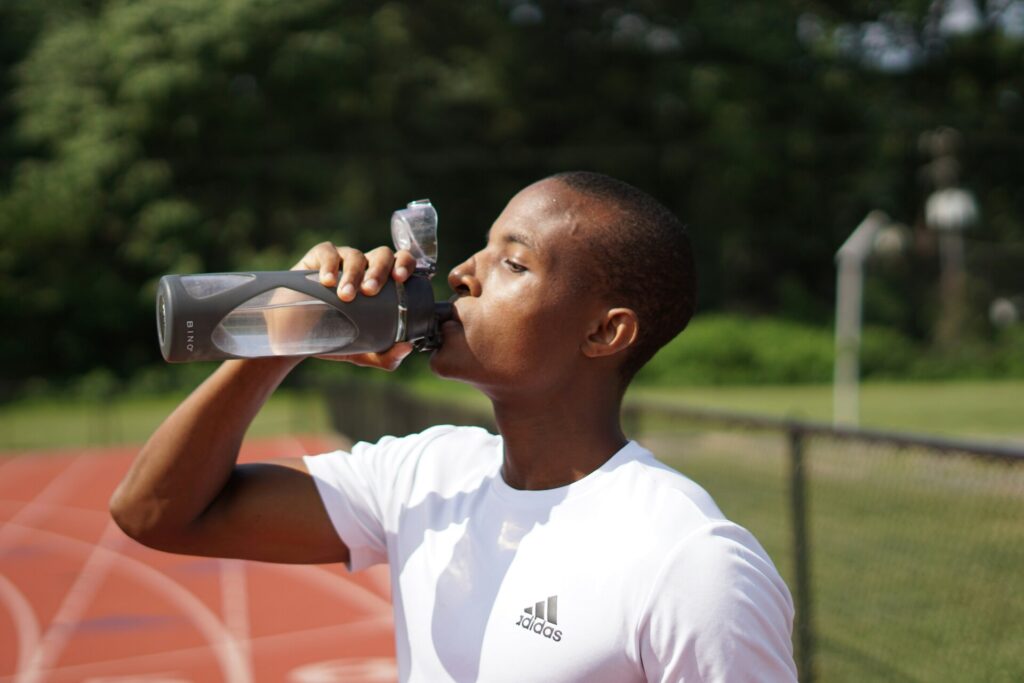
Can teens take pre-workout safely? Yes, but only with age-appropriate ingredients and responsible use.
Teen athletes often want a competitive edge. Whether it’s extra energy before swim training or sharper focus during team sports, pre-workout supplements can seem like an easy solution. However, many are formulated for adults and packed with high-stimulant ingredients that are not suitable for developing bodies.
Take this example: A 16-year-old swimmer might benefit from a natural, low-caffeine pre-workout made with electrolytes and carbs. But that same teen, if they consumed a 300 mg caffeine-heavy adult blend, could experience anxiety, sleeplessness, or a racing heart.
That’s why this guide exists: to help teens, parents, and coaches make informed decisions. We’ll explore what pre-workout supplements are, why teens use them, which ingredients to avoid, safer natural alternatives, and how to use them responsibly if needed.
What is Pre-Workout for Teens?
Pre-workout for teens refers to any supplement or nutrition strategy taken before exercise that boosts energy, endurance, or focus. It is specifically designed for young athletes aged 13 to 19.
While adult pre-workouts often contain high levels of caffeine, beta-alanine, or other stimulants, these formulas are typically too strong for teens whose bodies are still developing. The key difference lies in the dosage and ingredient profile.
For teens, a suitable pre-workout might include a clean, low-caffeine drink, a light snack, or a formula made without harsh stimulants. These options help improve performance safely without putting extra strain on the heart or nervous system.
Example: A 14-year-old football player might benefit from a banana and water before practice rather than a store-bought powder packed with 200 mg of caffeine and artificial sweeteners.
In short, teen pre-workout should focus on safe, age-appropriate energy sources, whether that is natural food, hydration, or a supplement with minimal caffeine and zero risky additives.
Why Do Teens Use Pre-Workout?
Many teen athletes turn to pre-workout supplements to boost their energy, sharpen focus, and improve performance, especially in high-demand sports like track, swimming, or football.
It can feel like a quick fix. When teens are tired after school, trying to stay alert during practice, or watching teammates gain muscle, supplements may seem like the solution. Common reasons for use include feeling fatigued, wanting faster results, or simply keeping up with others.
But here is the reality: real athletic progress comes from consistent sleep, solid meals, and proper hydration, not just supplements.
For example, a teenage basketball player who gets eight hours of sleep, eats nutritious whole foods, and stays hydrated often outperforms a peer who relies entirely on supplements.
That is why pre-workout should only support an already healthy routine. It should never replace the fundamentals.
Which Ingredients in Pre-Workout for Teens Should Young Athletes Avoid?
Teenagers should avoid pre-workout supplements that overstimulate the body or carry safety risks. Many of the issues with pre-workout for teens arise from adult formulas containing high doses of stimulants and other aggressive ingredients that are not suitable for young bodies.
Adolescents are more sensitive to these compounds because their systems are still developing. High levels of caffeine, strong chemicals, or banned stimulants like DMAA can interfere with heart rhythm, digestion, sleep patterns, and mental focus.
For example, when a 15-year-old takes an adult pre-workout with 300 mg of caffeine and Yohimbine, they may experience rapid heartbeat, jitters, anxiety, or nausea. These reactions not only degrade workout quality but also pose real health risks.
Understanding common pre-workout side effects helps teens avoid these risks and make safer decisions. Being informed is a powerful first step toward training smarter and protecting long-term health.
Pre-Workout Ingredients Young Athletes Should Avoid
1. High-Stimulant Ingredients
These put stress on the heart and nervous system, especially at adult doses.
- Caffeine above 100 mg per serving may cause jitters, sleep issues, or a rapid heartbeat.
- Yohimbine increases blood pressure and can cause anxiety or dizziness.
- DMAA and DMHA, which are banned, have been linked to dangerous cardiovascular effects.
2. Problematic Additives
These offer no performance benefit and may cause unwanted reactions.
- Artificial dyes and sweeteners can trigger headaches or digestive upset.
- High doses of Niacin (Vitamin B3) may cause skin flushing, nausea, or dizziness.
Quick Reference Table: Ingredients to Watch
| Ingredient | Why to Avoid | Safer Range for Teens |
| High Caffeine (200–400 mg) | Overstimulation, heart palpitations | ≤100 mg (preferably from natural sources) |
| Yohimbine | Spike in heart rate and blood pressure | Not recommended |
| DMAA / DMHA | Banned, linked to heart risks | Not recommended |
| High Niacin | Flushing, dizziness, nausea | ≤20 mg |
| Artificial additives | Gut irritation, headaches | Choose clean, natural options |
While these ingredients should be avoided, teens still have access to many safe and effective ways to support energy and performance. Knowing how to read a label and choosing clean supplements makes all the difference.
A teen-friendly pre-workout should contain simple, well-researched ingredients at safe dosages. It should never rely on stimulants or chemicals you cannot identify. When in doubt, consult a parent, coach, or health professional, and always prioritise products that are transparent, gentle, and built for growing athletes.
What are the Possible Risks or Side effects of Pre-Workout for Teens?
Pre-workout supplements can cause serious issues for teenagers, especially when the formula is designed for adults. Because teens are more sensitive to stimulants like caffeine or Yohimbine, even a single serving can lead to unwanted effects that interfere with training, recovery, and overall health.
These problems usually arise when teens take high-stimulant formulas too frequently or ignore proper timing and dosage. Knowing the risks in advance helps teens avoid mistakes and use supplements more safely, if at all.
For example, a 15-year-old who takes a pre-workout with 300 mg of caffeine and Yohimbine might experience trembling hands, nausea, an irregular heartbeat, or difficulty sleeping. These are signs of pre-workout side effects that could put unnecessary stress on a growing body.
Below are the most common risks teen athletes may face.
1. Cardiovascular Side Effects
Strong stimulants can put pressure on the heart and blood vessels.
- Irregular or fast heartbeat
- High blood pressure
- Chest tightness or discomfort
2. Mental and Emotional Effects
Overstimulation can impact mood and concentration.
- Nervousness or jittery feelings
- Anxiety or irritability
- Difficulty focusing
3. Sleep Disruption
Caffeine stays in the body for several hours and can disturb sleep patterns.
- Trouble falling or staying asleep
- Restlessness or poor sleep quality
- Fatigue the following day
4. Digestive Discomfort
Some ingredients irritate the digestive system.
- Stomach cramps or bloating
- Nausea or discomfort during exercise
- Diarrhea in some cases
5. Dehydration
Caffeine and other stimulants may increase fluid loss.
- Excessive thirst
- Dizziness or lightheadedness
- Slow recovery after workouts
Choosing the right product or switching to natural alternatives can prevent these issues. When in doubt, teens should talk to a parent, coach, or healthcare provider and stick to clean, age-appropriate options. For those just starting out, the pre-workout beginners’ guide explains how to evaluate labels and ingredients for teen-appropriate use.
What are the Best Natural Alternatives to Pre-Workout for Teens?
The safest and most effective way for teens to fuel up before exercise is through natural foods and drinks that support energy, focus, and hydration. These options provide steady performance benefits without the risks that come with artificial ingredients or strong stimulants.
Natural alternatives work well for teens because they are gentle on the body and easy to digest. Unlike many commercial pre-workouts, they do not place unnecessary stress on the heart, stomach, or nervous system.
For instance, a 17-year-old basketball player may perform better after having oatmeal with berries or a glass of beetroot juice than after using a high-caffeine supplement. These natural choices provide energy, improve blood flow, and support focus without triggering the common pre-workout side effects like jitters or crashes.
By building healthy habits early, teen athletes can train harder and recover better without relying on synthetic products.
Safe and Effective Natural Alternatives for Teens
If you’re looking for a teen-friendly boost before training, these are some of the best natural ways to fuel up.
1. Food-Based Pre-Workout Options
These are simple snacks that offer balanced energy without overstimulation:
- Banana with peanut butter – Combines fast carbs with healthy fats for sustained energy
- Greek yogurt with honey – Provides protein and natural sugars for fuel
- Oatmeal with berries – Offers slow-digesting carbohydrates to power longer workouts
- Whole-grain toast with almond butter – A convenient and reliable energy source
2. Natural Energy Drinks and Hydration Support
- Coconut water with a pinch of salt – Replaces electrolytes lost through sweat
- Beetroot juice – Boosts endurance and supports better blood flow
- Green tea – Contains light caffeine and antioxidants for focus without overstimulation
- Citrus-infused water – Refreshes and hydrates the body with natural flavour
3. Lifestyle Habits That Naturally Increase Energy
The best energy booster is a consistent routine built on healthy habits:
- Get 8 to 10 hours of sleep each night – Recovery is key for performance
- Stay hydrated throughout the day – Dehydration lowers strength and focus
- Eat balanced meals – Include carbs, protein, and healthy fats in your daily meals
- Warm up before workouts – Light movement improves blood flow and prepares the body
| Natural Alternative | What It Helps With | Why It’s Effective |
| Banana + peanut butter | Energy and endurance | Combines carbohydrates and healthy fats |
| Oatmeal with berries | Long-lasting fuel | Slow-digesting complex carbohydrates |
| Beetroot juice | Endurance and stamina | Improves blood circulation and oxygen flow |
| Green tea | Focus and alertness | Contains mild caffeine and antioxidants |
| Coconut water and salt | Hydration and recovery | Replaces essential electrolytes |
These options are not only safer but often more effective for building long-term energy and performance. Instead of relying on quick-fix supplements, teens benefit more from habits and foods that support their overall growth and recovery.
When and How Should Teens Take Pre-Workout Safely?
Pre-workout supplements should only be used by teens when the formula is clearly suitable for their age group and their body reacts well to it. The safest approach is to start small, time it properly, stay hydrated, and avoid daily use.
Even with teen-safe formulas, taking too much or using it too late in the day can cause side effects like jitteriness, stomach discomfort, or disrupted sleep.
For example, a 17-year-old volleyball player might take half a scoop of a low-caffeine pre-workout 25 minutes before practice. By pairing it with a small snack and water, they can get a steady energy lift without the crash or anxiety that stronger products may cause.
Step-by-Step Guide to Safe Pre-Workout Use for Teens
1. Start with a low dose
Begin with half a serving to test your tolerance. Only increase if there are no negative reactions.
2. Take it at the right time
Use it 20 to 30 minutes before your workout. Avoid taking it after 5 PM to prevent sleep issues.
3. Stay hydrated
Drink a full glass of water with your pre-workout. Continue drinking water throughout your workout.
4. Pair it with a light snack
This helps absorb the ingredients and reduces stomach discomfort. Try:
- A banana
- Toast with nut butter
- Yogurt with berries
5. Limit it to 2 or 3 times a week
Avoid using pre-workout every day to prevent dependency and tolerance buildup.
6. Choose teen-safe formulas
Look for products that have:
- Caffeine at or below 100 mg
- No banned stimulants
- No proprietary blends
- A transparent ingredient list
Safe pre-workout use is not just about the product. It also depends on smart timing, healthy eating, good sleep, and consistent hydration. These habits create a strong foundation, allowing any supplement to work as intended without putting the teen at risk.
Final Thoughts
Pre-workout supplements can help teen athletes boost their performance, but they should never be the foundation. Sleep, nutrition, hydration, and proper training matter far more than any supplement.
If teens decide to use pre-workout, the best approach is to stick with low-caffeine formulas, avoid risky stimulants like Yohimbine, and monitor how their body reacts. Choosing transparent labels and age-appropriate products can prevent many common pre-workout side effects.
Natural alternatives such as bananas, oatmeal, beetroot juice, or green tea offer clean and effective energy without unnecessary risks. These options also promote long-term performance and recovery, not just short bursts of energy.
Before adding any supplement to a teen’s routine, it is always best to consult a parent, coach, or medical professional. For those just getting started, our pre-workout beginners’ guide
can help you make safer and smarter choices.
Frequently Asked Questions
Commonly asked questions about pre-workout for teens.