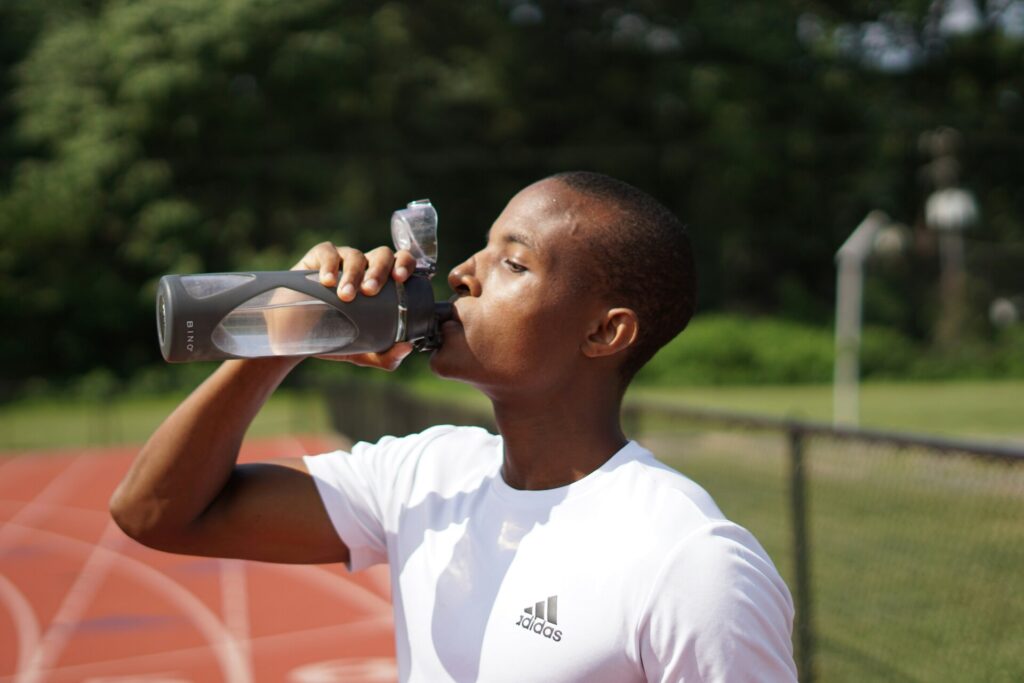
Getting the most out of your workout often comes down to smart choices. Not just how you train, but what you put in your body beforehand. One of the most popular pre-workout boosts is caffeine, but taking too much can backfire, leading to jitters, poor focus, or even an energy crash mid-session.
Here’s the bottom line: the right caffeine dose can help you power through tough workouts with better focus and drive. The wrong dose, however, can make you feel anxious or distracted, no matter how fit you are.
For example, someone who grabs a 350 mg pre-workout thinking “more is better” might end up shaky and unable to concentrate, even though a moderate 150–200 mg is plenty for most people.
Choosing the right dose for your body means you can feel energized and motivated without unwanted side effects. This article will break down why caffeine works, how to pick the ideal dose for your goals, and how to avoid common pitfalls, so you can train harder and recover better.
Why Does Caffeine in Pre-Workout Matter?
Caffeine is a game-changer for energy, alertness, and workout performance, which is why it’s found in so many pre-workout supplements.
Before you even hit the gym, your body can benefit from a mental and physical boost. Caffeine works by increasing adrenaline, stimulating the nervous system, and temporarily masking fatigue, so you feel ready to tackle intense sessions. This is especially helpful on days when you’re feeling sluggish or need an extra push to stay consistent.
Picture yourself heading into a heavy leg day after a long day at work. A moderate dose of caffeine can sharpen your focus, make each rep feel less daunting, and help you get the most out of your effort without dragging through the workout.
In short, caffeine can help you train harder and stay focused, but only when used in the right amount for your body.
Now, let’s break down the specific benefits you can expect from caffeine as a pre-workout.
What are the Benefits of Using Caffeine in Pre-Workout?
Adding caffeine to your pre-workout routine can deliver several powerful benefits, helping you stick to your workout schedule and get more out of each session.
Caffeine doesn’t just wake you up. Your mental performance and exercise performance are affected by caffeine in ways that go beyond simple energy.
- Reduces perceived effort: With the right dose, challenging exercises feel more manageable, letting you push through fatigue and finish your workout intensely, even on days when motivation is low.
- Enhances focus and form: Caffeine helps you stay present during training, making it easier to concentrate on breathing techniques and proper movement. This can translate into better results and fewer mistakes.
- Boosts fat utilization: It slightly increases your metabolic rate, encouraging your body to burn stored fat as fuel while you exercise. While helpful, it’s no substitute for a balanced diet or a consistent workout schedule.
- Improves mood and motivation: Caffeine triggers endorphin release, making you feel more positive and ready to take on your training, even when energy is lacking.
When used correctly, caffeine can be a reliable tool for maintaining focus, supporting breathing techniques, and sticking to your workout schedule. The next step is understanding how different doses affect your body so you can get all the upsides, without the drawbacks.
Caffeine Pre-Workout Dosages and Side Effects
Choosing the right pre-workout caffeine dose is essential to enhance your performance while avoiding unpleasant side effects.
Caffeine tolerance varies from person to person, and supplement labels can be misleading. Some pre-workout packs contain as little as 50mg, while others deliver 400mg or more, sometimes from multiple caffeine sources.
Here’s a quick breakdown of common caffeine dose ranges, who they suit, and what to expect:
| Caffeine Dose | Best For | What to Expect | Possible Consequences |
| Low (50 to 125 mg) | Beginners, low caffeine users | Gentle energy lift, easier focus, minimal crash | Low risk of jitters |
| Moderate (150 to 250 mg) | Regular gym-goers | Strong, steady energy, sharper focus | Mild nervousness for sensitive users |
| High (300 to 400 mg) | Experienced lifters | Intense energy, rapid alertness | Anxiety, rapid heartbeat, poor sleep |
| Extrene (400 mg+) | Rarely recommended | Overstimulation, jitteriness | Nausea, tremors, caffeine crash |
Your ideal caffeine dose depends on your experience, goals, and sensitivity. Start low, pay attention to your body, and be mindful of other sources. Too much can quickly lead to anxiety, sleep issues, or a rough “caffeine crash.”
How to Find and Safely Use the Right Caffeine Pre-Workout Dose
Safely using caffeine before your workout starts with listening to your body and making gradual adjustments.
Everyone responds to caffeine a little differently. Your optimal dose may be higher or lower than someone else’s, depending on factors like body size, tolerance, and your overall workout schedule.
- Start with a low dose: If you’re new to pre-workout caffeine, try 50–150 mg at first. See how your body reacts; your energy should feel steady, not jittery.
- Increase slowly if needed: If you tolerate the low dose well (no nausea, jitters, or rapid heart rate), you can gradually try a bit more until you reach a level that boosts your performance without side effects.
- Avoid mixing sources: Stick to one main source of caffeine per session (for example, either coffee or a pre-workout supplement, but not both) to prevent accidentally going over your limit.
- Time it right: Take your caffeine dose about 30–45 minutes before your workout so it peaks when you need it most for focus and performance.
-
Pair with food and hydration: Have a light, balanced pre-workout snack and drink water to support digestion and stable energy.
The best approach is to experiment safely, monitor your reaction, and focus on consistency. Used with care, caffeine can enhance your routine without unwanted side effects or crashes.
Final Thoughts
The ideal pre-workout caffeine dose is the one that matches your body, your training needs, and your long-term fitness goals, not just the highest number on the label. When you pay attention to your body’s response, start small and increase gradually. You can enjoy better focus, steadier energy, and productive workouts with less risk of jitters or crashes. Used wisely, caffeine becomes a valuable tool for boosting motivation and performance, letting you train with more confidence and control.
Frequently Asked Questions (FAQs)
Commonly asked questions about caffeine in pre-workout supplements.