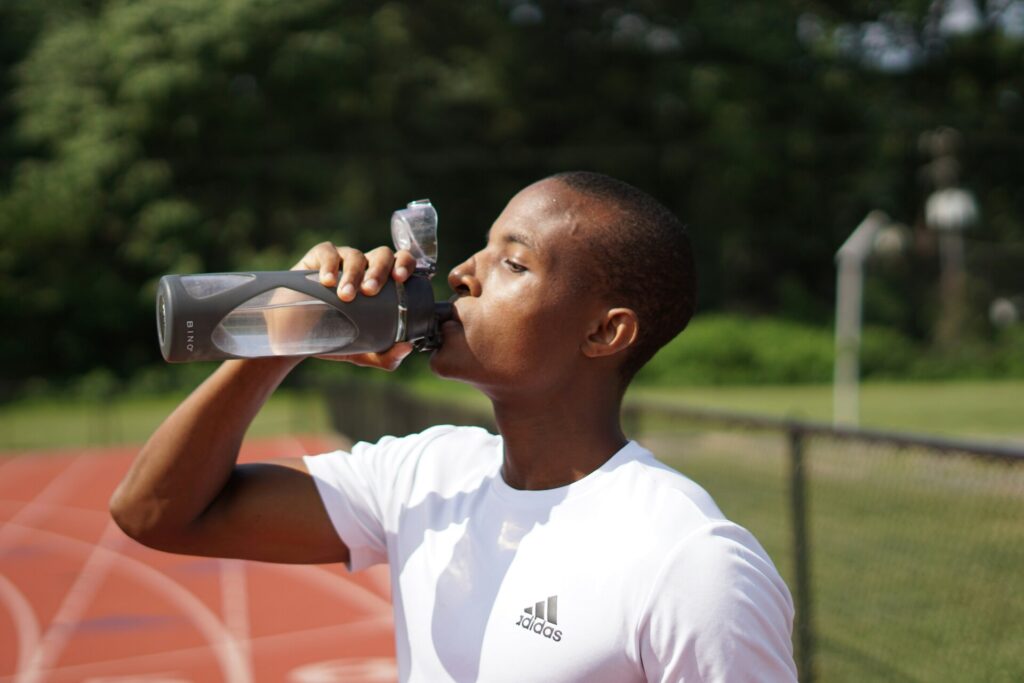
I used to grab a protein shake after almost every workout, even short treadmill sessions. It felt productive, like I was doing something “right” for recovery. Over time, I realised I was often solving the wrong problem. My body didn’t always need recovery nutrition. Sometimes, it just needed water.
Hydration and recovery drinks serve different purposes, and timing is what separates them. Drinking the wrong thing at the wrong moment can leave you feeling heavy, sluggish, or stalled in your progress. Understanding when to hydrate and when to focus on recovery helps you train better and recover more efficiently without unnecessary calories or guesswork.
This guide breaks down the difference between hydration and recovery drinks and shows you how to choose the right option based on your workout, not marketing claims.
What Is the Difference Between Hydration vs Recovery Drinks?
The biggest mistake I made early on was treating hydration and recovery as the same thing. They are related, but they serve very different purposes in your workout routine.
Hydration drinks focus on replacing fluids and electrolytes lost through sweat. Their main job is to keep your body functioning properly during exercise. When you are hydrated, your heart works more efficiently, your muscles contract smoothly, and your energy feels more stable.
Recovery drinks, on the other hand, focus on repairing and refueling after exercise. They usually contain protein, carbohydrates, or both. These nutrients help rebuild muscle tissue and restore glycogen, which is the stored energy your muscles burn during harder or longer workouts.
Here is a simple way to think about it:
- Hydration supports performance during a workout.
- Recovery supports repair after a workout.
For example, a 20 to 30-minute walk, light jog, or yoga session mostly challenges your fluid balance. Water is often enough. A heavy strength training session or a long cardio workout places stress on your muscles and energy stores, which is when recovery drinks make more sense.
Once I understood this difference, choosing what to drink stopped feeling confusing. Instead of asking “What should I drink after every workout?”, the better question became “What did my workout actually demand from my body?”
That shift alone helped me feel lighter, recover faster, and avoid unnecessary calories from drinks I did not truly need.
Why Understanding Hydration vs Recovery Matters for Your Progress
What surprised me most was how much my drink choices affected how I felt the next day, not just during the workout. There were days I trained hard, felt proud walking out of the gym, then woke up sore, flat, and oddly tired. Looking back, it was not the workout that failed me. It was what I drank around it.
This is where understanding hydration vs recovery really starts to matter, and where many common hydration mistakes quietly slow progress.
Hydration drinks help you perform. They keep your energy steady, prevent dizziness, and reduce cramps while you train. When hydration is off, even familiar workouts feel heavier than usual. Many people underdrink, drink too late, or rely on thirst alone, which often leads to early fatigue or poor focus.
Recovery drinks help you bounce back. They support muscle repair, restore glycogen, and reduce next-day soreness. Skipping recovery after demanding sessions is another frequent mistake. Water alone may not be enough after long, intense, or strength-focused workouts, even though it feels like the safest option.
This is why the question of what to drink after workouts matters just as much as what you drink during it. The right choice depends on what your body actually went through.
Here’s how this shows up in real life:
After a short cardio session, choosing a heavy recovery drink can leave you feeling bloated or sluggish because your body did not need extra calories.
After a tough leg day or a long run, sticking to water alone may leave you sore and drained the next morning because your muscles never got what they needed to rebuild.
This is where practical hydration tips for athletes come in. Hydrate to support performance during exercise, and recover to support adaptation after it. Once you stop treating every workout the same, your energy levels become more predictable, and your recovery feels smoother.
Over time, this clarity removes guesswork. Instead of reacting to fatigue after it hits, you make intentional choices that support your training before problems show up.
When progress feels stuck, it is often not the program that needs fixing. Many times, it comes down to hydration and recovery habits that seem small, but quietly determine how well your body responds to training.
When Should You Choose Hydration vs Recovery Drinks?
This was the part that finally made things click for me. I stopped asking, “What’s the healthiest drink?” and started asking, “What does my body actually need right now?”
Hydration and recovery are not competing choices. They belong at different moments.
Before and during your workout, hydration usually matters more. Your body needs fluids to regulate temperature, support circulation, and keep muscles firing smoothly. If you start a session slightly dehydrated or ignore fluids until you feel thirsty, performance drops quietly. Workouts feel harder, fatigue comes earlier, and focus slips.
After your workout, recovery becomes the priority, but only if the session earned it. This is where many people overdo it or miss it entirely.
Here’s how it plays out in real scenarios:
- After a short or easy workout. Water is usually enough. Your muscles did not take much damage, and glycogen stores are not heavily depleted. Adding a recovery drink here often adds calories your body does not need.
- After a long, intense, or strength-focused workout. This is when recovery drinks make sense. Protein helps repair muscle tissue. Carbohydrates help refill energy stores. Skipping this step can leave you sore, flat, or unusually tired the next day.
- During long or sweaty sessions. Hydration may need support from electrolytes or light carbohydrates, especially if the workout lasts over an hour or happens in heat. This is where sports drinks can bridge the gap between hydration and fuel.
This timing matters because many common hydration mistakes come from treating every workout the same. Drinking only water after demanding sessions or relying on heavy recovery drinks after light exercise both create an imbalance.
A simple rule helps guide decisions:
Hydrate to support the workout. Recover to support the results of the workout.
Once you frame it this way, figuring out what to drink after workout becomes much less confusing. You are no longer reacting to soreness or fatigue. You are anticipating what your body needs based on the stress you just placed on it.
Next, it helps to look more closely at where sports drinks actually fit, since they often sit right between hydration and recovery and cause the most confusion.
Final Takeaway
What finally changed my approach was realising that not every workout creates the same need. I stopped treating drinks as a reward for effort and started treating them as a response to stress.
Hydration and recovery drinks are tools, not defaults. Water supports performance while you train. Recovery drinks support adaptation after harder sessions. Mixing those roles often leads to feeling heavy, sluggish, or stalled, even when your workouts are consistent.
Once I learned to match my drink choice to what the workout actually demanded, everything felt cleaner. Energy levels became more predictable. Soreness made more sense. I stopped consuming extra calories simply because it felt productive.
The takeaway is simple. Hydrate to support the workout. Recover to support the results of the workout. When you respect that timing, progress becomes easier to sustain and far less confusing.
Frequently Asked Questions (FAQs)
Commonly asked questions from beginners about hydration and recovery drinks.