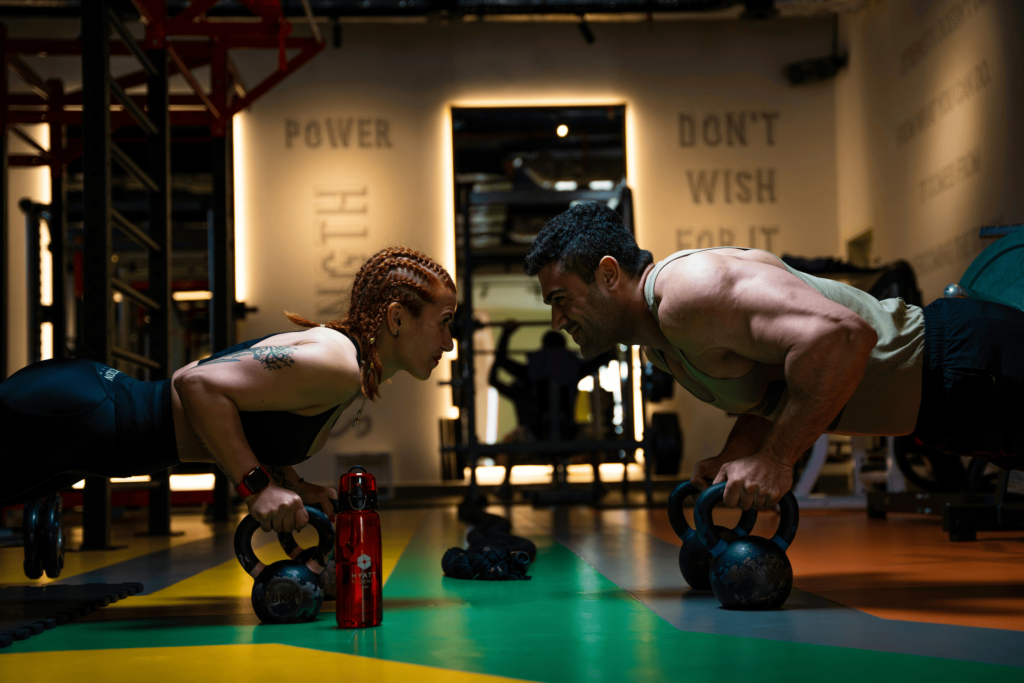
I used to ask myself this all the time: Is it actually possible to lose weight without workout? Between long workdays, low energy, and days when my body just didn’t feel up for exercise, staying consistent with workouts felt impossible. And honestly, the guilt of skipping them made weight loss feel even more frustrating.
That question pushed me to look beyond traditional fitness advice. Instead of forcing workouts I couldn’t sustain, I started learning how calorie balance really works, how food choices shape progress, and how simple daily movement adds up over time. This guide is for anyone who feels stuck asking the same question I did. If you are busy, dealing with physical limitations, or simply burned out from trying to “work out harder,” this article breaks down how weight loss can still happen through smart nutrition, daily habits, and realistic lifestyle changes that fit real life.
Can You Lose Weight Without Workout Using a Calorie Deficit?
When I first started looking into how to lose weight without workout, the term calorie deficit sounded intimidating. It felt like something only athletes or nutrition experts talked about. But once I understood it in simple terms, everything finally clicked.
A calorie deficit just means your body uses more energy than it gets from food. You don’t need workouts for this to happen. Your body already burns calories just to keep you alive, breathing, thinking, and moving through the day. When you eat slightly less than what your body needs, it taps into stored energy, which is body fat.
For calorie deficit beginners, this does not mean strict dieting or obsessing over numbers. Small changes matter. Eating a little less at meals, choosing filling foods, or cutting back on liquid calories can already create a gentle deficit. Over time, that consistency adds up.
I used to think exercise was the only way to burn calories. What I learned instead is that consistency with food choices matters more than workout intensity. You can lose weight without workout when your calorie intake stays slightly lower than your daily needs. It does not require perfection, just repeatable habits you can actually maintain.
How Diet Helps You Lose Weight Without Workout
Diet plays the biggest role when you are trying to lose weight without workout, especially if you are busy or have limited mobility. When exercise is not realistic, food choices become the main driver of progress.
I used to think I needed long workouts to burn off what I ate. What I learned instead is that it is far easier to reduce calories through food than to burn the same amount through exercise. Cutting a few hundred calories from meals takes no extra time, no equipment, and no physical strain.
Diet also affects hunger and energy levels. When meals include enough protein, fibre, and whole foods, staying in a calorie deficit feels more manageable. You feel fuller for longer and are less likely to overeat later in the day.
Simple changes make a real difference. Swapping sugary drinks for water, choosing grilled or baked options instead of fried foods, or slightly reducing portion sizes can save hundreds of calories without feeling restrictive. For anyone trying to lose weight with no workout, diet becomes the steady anchor that keeps progress moving.
You do not need perfect eating. You need choices you can repeat. When your diet fits your schedule and your body, losing weight without workout becomes realistic, sustainable, and far less overwhelming.
Simple Food Changes That Help You Lose Weight Without Workout
When I stopped thinking about dieting and focused on small food changes, weight loss finally felt doable. I did not need extreme rules or perfect meals. I just needed adjustments I could repeat every day.
Simple changes work better than restrictive diets because they are easier to stick to. Cutting a little here and there adds up without making you feel deprived or overwhelmed.
Here are a few realistic food changes that support losing weight without workout and help with burning calories without exercise throughout the day:
- Prioritise protein like eggs, fish, chicken, tofu, or yoghurt to help you feel full longer
- Fill half of your plate with fruits or vegetables when possible
- Use smaller plates to naturally reduce portion sizes
- Cut back on liquid calories from soda, juice, and sweetened coffee
- Slow down while eating so you notice when you are full
None of these requires special foods or strict rules. They simply help control calorie intake and support burning calories without exercise in a way that fits real life.
You do not need to eat perfectly to lose weight. For beginners especially, consistency matters more than food labels or trends. These small, repeatable habits support steady progress and make losing weight without workout feel realistic and sustainable.
What Is NEAT and Why Does It Matter for Weight Loss
When I first came across the term NEAT, I almost skipped it. It sounded technical and unnecessary. But NEAT is actually one of the simplest ideas behind losing weight without a workout.
NEAT stands for non-exercise activity thermogenesis. It refers to all the calories your body burns through everyday movement that is not formal exercise. Things like walking around the house, standing up, doing chores, stretching, or even fidgeting all count.
The reason NEAT matters is simple. These small movements happen all day. When added together, they can burn a surprising number of calories without requiring workouts, gym time, or physical strain. For beginners, busy people, or those with limited mobility, NEAT makes weight loss feel possible instead of overwhelming.
How Daily Movement and NEAT Help You Lose Weight Without Workout
Once I stopped thinking of movement as exercise, it became much easier to stay consistent. I did not need to sweat or follow routines. I just needed to move a little more throughout the day.
Daily movement supports weight loss by increasing the overall energy your body uses. Walking while taking phone calls, standing up more often, doing light housework, or stretching between tasks all contribute to NEAT. These actions may feel insignificant, but over time, they help burn calories without exercise.
For many people, NEAT burns more calories than occasional workouts, especially when workouts are skipped or inconsistent. The key is not intensity. It is frequency. Small daily movements help maintain a calorie deficit without adding pressure or fatigue.
You do not need to force movement. When it fits naturally into your routine, daily movement becomes sustainable. This approach respects your body, your schedule, and your limits while still supporting your goal to lose weight without workout.
Easy Daily Movement Alternatives That Help You Lose Weight Without Workout
Movement works best when it feels natural, not forced. When I stopped trying to “exercise” and started looking for ways to move more in daily life, staying consistent became much easier.
These movements do not need to be intense to matter. What counts is how often you do them. Small actions repeated throughout the day help support burning calories without exercise and fit easily into real routines.
Here are simple movement alternatives that work for most people:
- Take short walks after meals or during breaks
- Do light stretching in the morning or before bed
- Stand up more often instead of sitting for long periods
- Move at a steady pace while doing chores or errands
- Park a little farther away or choose stairs when it feels comfortable
For people with limited mobility, even seated movements help. Arm circles, gentle leg lifts, posture adjustments, and slow range-of-motion movements improve circulation and increase energy use without strain.
The goal is not to push your body. It is to move it more often. When these small movements become part of your day, they quietly support weight loss without workout in a way that feels sustainable and kind to your body.
How Beginners Can Lose Weight Without Workout and Keep It Off
When I focused on habits instead of quick results, weight loss became easier to maintain. I stopped chasing short-term fixes and started building routines that actually fit my life.
For beginners, especially, sustainability matters more than speed. Extreme changes often lead to burnout, but small habits create steady progress over time. This is where weight loss tips for beginners make the biggest difference.
Here are a few habit-focused strategies that support long-term weight loss without workout:
- Eat meals at consistent times to avoid overeating later
- Prepare simple meals in advance to reduce decision fatigue
- Check portions occasionally without obsessing over numbers
- Focus on progress, not perfection
- Make changes gradually instead of all at once
These habits reduce stress around food and movement. They help maintain a calorie deficit without rigid rules or pressure. More importantly, they are easy to repeat, which is what makes them effective.
Slow progress that lasts is more valuable than fast results that disappear. When your habits work with your lifestyle instead of against it, losing weight without workout becomes something you can maintain long term.
Final Takeaway
Losing weight without workout is possible, and for many people, it is the most realistic approach. It does not require intense exercise or perfect routines. What matters is creating a calorie deficit through everyday food choices, simple movement, and habits that fit your life.
Diet plays the leading role. Small, consistent changes in how you eat can reduce calorie intake without stress or restriction. Daily movement also matters. Walking, standing, stretching, and completing everyday tasks all contribute to burning calories without exercise through NEAT.
Most importantly, this approach focuses on habits rather than quick fixes. When changes feel manageable, they are easier to maintain. With patience and consistency, losing weight without workout can be a sustainable long-term solution that respects your body and your circumstances.
Frequently Asked Questions (FAQs)
Commonly asked questions from beginners who are looking for ways to lose weight without workouts.