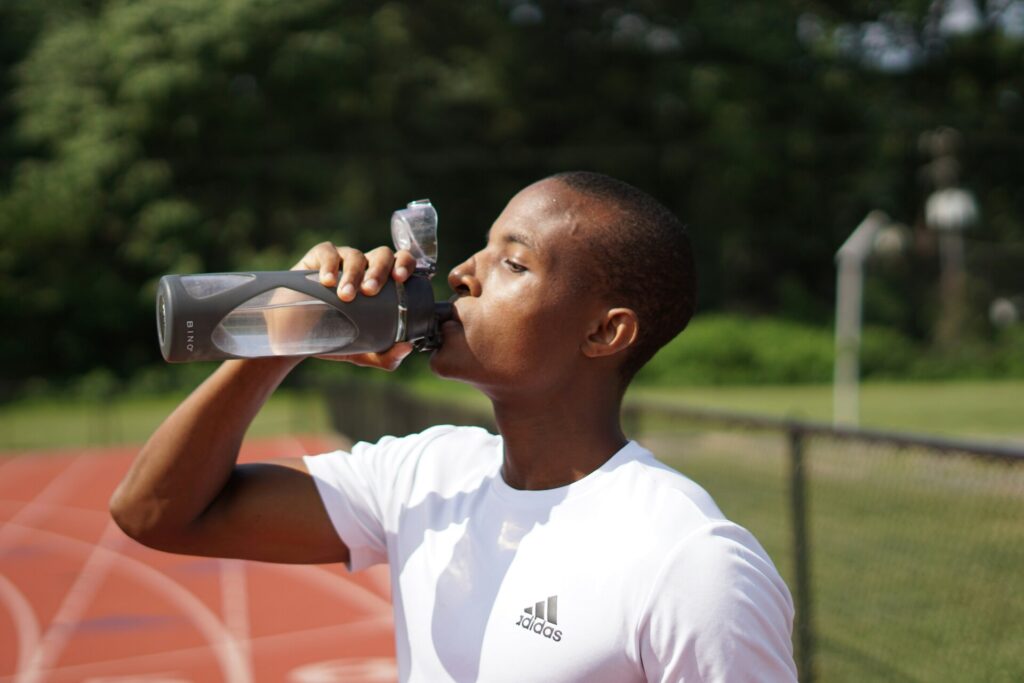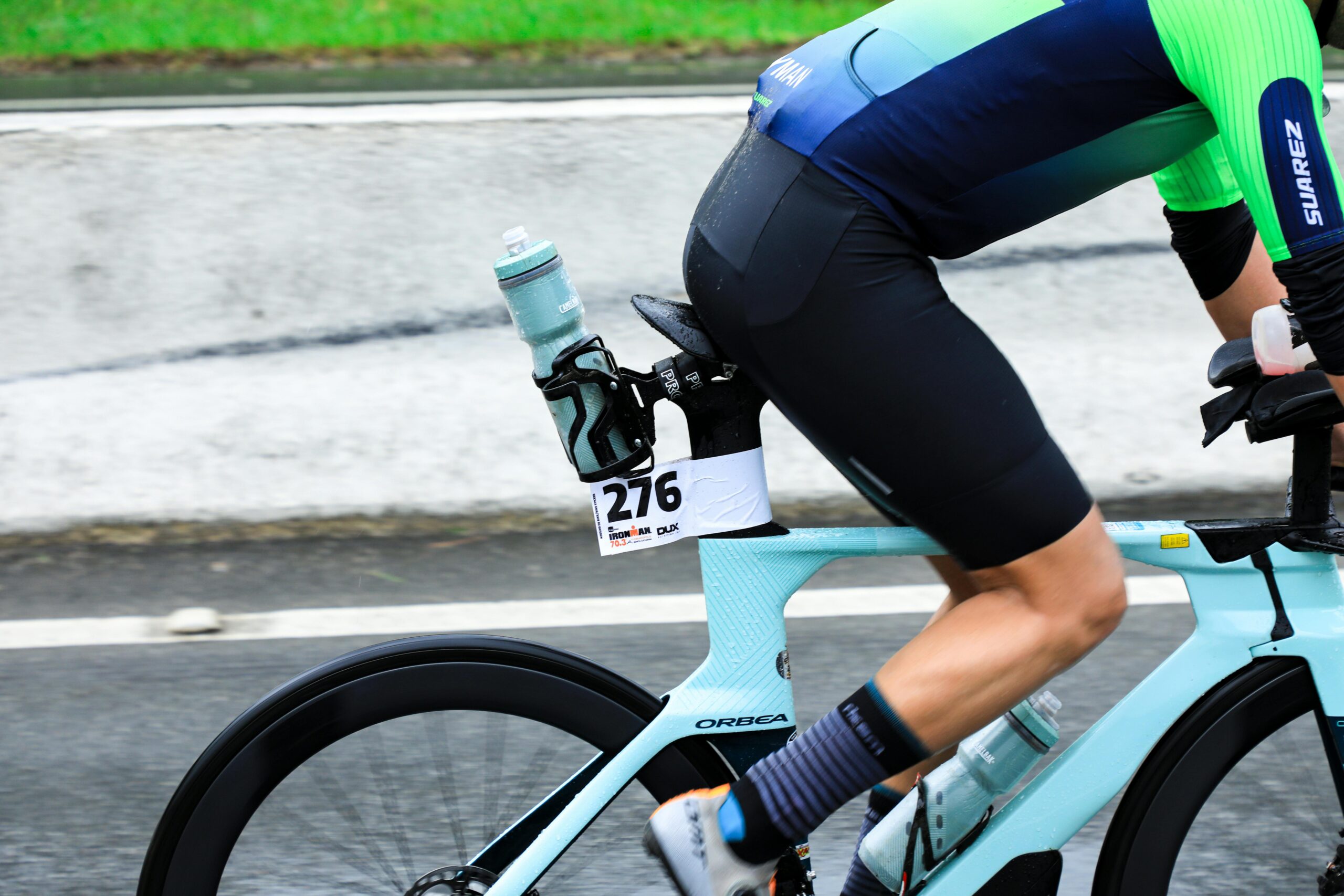
I used to think energy gels were the problem every time my stomach felt off during a long run. Too sweet, too heavy, too much. But the more I paid attention, the clearer it became that energy gels and hydration were the real issue, not the gel itself, but how and when I drank fluids around it.
Energy gels and hydration work as a system, not as separate decisions. Gels deliver concentrated carbohydrates, but without the right fluid timing, that fuel cannot move efficiently through the digestive system. Instead of quick energy, you get bloating, nausea, or that uncomfortable sloshing feeling that makes running miserable.
Once I started treating hydration as part of gel timing, not an afterthought, everything changed. Energy felt steadier, my stomach stayed calmer, and fueling stopped feeling like a gamble.
This article focuses on the connection between energy gels and hydration, specifically why fluid timing matters so much. You’ll learn how water supports gel absorption, how poor fluid timing causes most gel-related discomfort, and how to build a simple, practical hydration rhythm that works for short sessions and long endurance workouts alike.
If gels have ever felt unpredictable or uncomfortable, chances are the hydration timing, not the gel, needs adjusting.
How Hydration Affects Energy Gel Absorption
Energy gels only work as intended when your body has enough fluid to process them. Hydration plays a direct role in how quickly carbohydrates move from your stomach into your bloodstream. Without enough water, gels do not deliver energy efficiently, no matter how good the formula is.
Energy gels contain concentrated carbohydrates. Your stomach cannot absorb these carbs on its own. Water helps dilute the gel, allowing it to pass from the stomach into the small intestine, where absorption actually happens. When hydration is adequate, this process feels smooth and predictable. When hydration is off, gels tend to sit in the stomach longer than they should.
This delay often explains why runners feel bloated or nauseous after taking a gel. The issue is rarely the gel itself. It is usually the lack of fluid needed to move that fuel forward. Even a small amount of water can make a noticeable difference in how your body tolerates and uses a gel.
Hydration also supports circulation during exercise. As your heart rate rises, blood flow shifts toward working muscles. Proper fluid intake helps maintain blood volume, which allows absorbed carbohydrates to reach your muscles efficiently. Without enough hydration, both digestion and energy delivery slow down.
Once you understand this relationship, it becomes clear why energy gels and hydration should always be planned together. Fuel without fluid creates friction in the system. Fuel with well-timed hydration supports steady energy, better comfort, and more consistent performance.
Fluid Timing and Water Intake: Why Both Matter with Energy Gels
Most stomach issues linked to energy gels do not come from the gel itself. They come from how fluids are handled around it. Both timing and amount of water matter, and separating the two often causes confusion. In reality, they work together.
Energy gels are concentrated carbohydrates. Your body needs water to move that fuel from the stomach into the small intestine, where absorption actually occurs. When water intake is mistimed or excessive, digestion slows down and discomfort follows.
I used to approach hydration in extremes. Some days, I forgot to drink entirely. Other days, I would panic and gulp a full bottle right after taking a gel. Both approaches led to the same outcome: bloating, sloshing, or nausea that made running uncomfortable.
What works best is not more water or less water, but steady, well-paced hydration.
A simple rhythm supports both absorption and comfort:
- Take a few small sips of water just before the gel
- Consume the gel
- Continue sipping water gradually over the next 5 to 10 minutes
This spacing gives your digestive system enough fluid to process the carbohydrates without overwhelming it. For most runners, around 150 to 250 ml of water per gel is enough to support absorption while keeping the stomach light.
Problems usually arise when this balance breaks down. Taking a gel without water often causes it to sit in the stomach too long. Drinking too much water at once can create pressure and discomfort, especially while running. Neither approach helps energy delivery.
Many runners assume these reactions mean gels do not agree with them. In reality, they are repeating the same hydration patterns that trigger discomfort. We cover these patterns in more detail in our guide on common energy gel mistakes, where fluid timing plays a major role.
Once hydration becomes part of your fueling rhythm rather than a reaction to discomfort, energy gels feel far more predictable. Energy stays steadier, digestion feels calmer, and fueling stops feeling like guesswork.
How to Create a Simple Energy Gel and Hydration Timing Plan
The easiest way to avoid stomach issues and energy dips is to remove guesswork. A simple, repeatable timing plan helps energy gels and hydration work together without forcing you to think mid-workout.
Most problems occur when runners react rather than follow a plan. They wait until fatigue hits, forget to drink, or suddenly overcorrect. Clear hydration strategies work far better than relying on hunger, thirst, or panic.
Here’s a simple timing plan that works for most endurance workouts:
Before exercise
Start your session well hydrated. You do not need to overdrink. Aim for pale urine and a normal level of thirst. Some runners choose to take a gel 15 to 30 minutes before starting if they have not eaten recently. If you do this, pair it with a few small sips of water.
During exercise
For sessions lasting longer than 90 minutes:
- Take your first gel once your run or ride is well underway, not when fatigue hits
- Support each gel with steady hydration rather than large gulps
- Sip water gradually for several minutes instead of drinking all at once
These hydration strategies keep digestion calm and energy delivery consistent. If you want a deeper breakdown of gel frequency and quantity, our guide on how to use energy gels covers that in detail.
Hydration rhythm
Instead of focusing on exact minutes, think in patterns:
- Small sips before a gel
- The gel itself
- Continued sipping over the next 5 to 10 minutes
This rhythm supports absorption without overwhelming your stomach. Many runners who struggle with gels unknowingly repeat patterns we cover in common energy gel mistakes, especially drinking too much or too little at the wrong time.
Practice during training
Never build a fueling plan on race day. Use long training sessions to practice hydration strategies until they feel automatic. Over time, your digestive system adapts, and fueling becomes more predictable rather than stressful.
Hydration works best when it supports a broader fueling system. Pairing fluids with smart carbohydrate intake makes endurance fueling feel easier and more reliable. If you want to understand how gels fit into a full endurance nutrition approach, our guide on carb runners’ plan explains how fueling changes before, during, and after long runs.
When you simplify timing and repeat it consistently, energy gels stop feeling risky. Hydration during exercise becomes part of your routine, not something you think about only when discomfort shows up.
Final Takeaway
Energy gels and hydration work best when treated as one system. Most discomfort linked to gels does not come from the product itself, but from poor fluid timing and inconsistent hydration habits.
When hydration supports gel intake with steady, well-paced sips, energy delivery feels smoother, and digestion stays calmer. Small adjustments in when and how you drink often make a bigger difference than changing gels or adding more fuel.
The most effective approach is simple. Practice clear hydration strategies during training, repeat the same timing during longer sessions, and avoid reacting to fatigue or discomfort too late. Over time, fueling becomes predictable instead of stressful.
When you plan hydration alongside energy gels, you remove guesswork, protect your stomach, and keep your energy steady from start to finish.
Frequently Asked Questions (FAQs)
Commonly asked questions about energy gels and hydration timing.